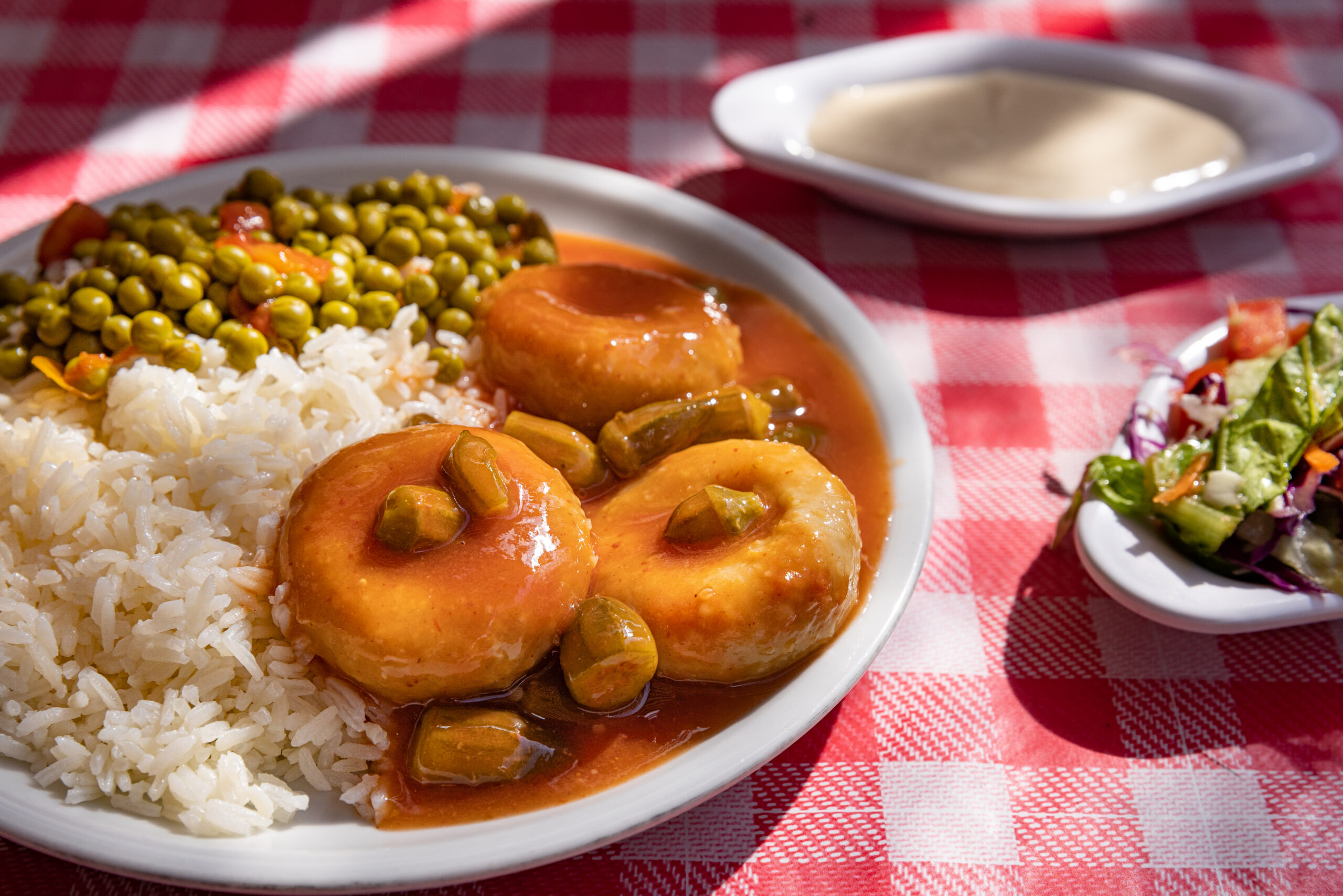
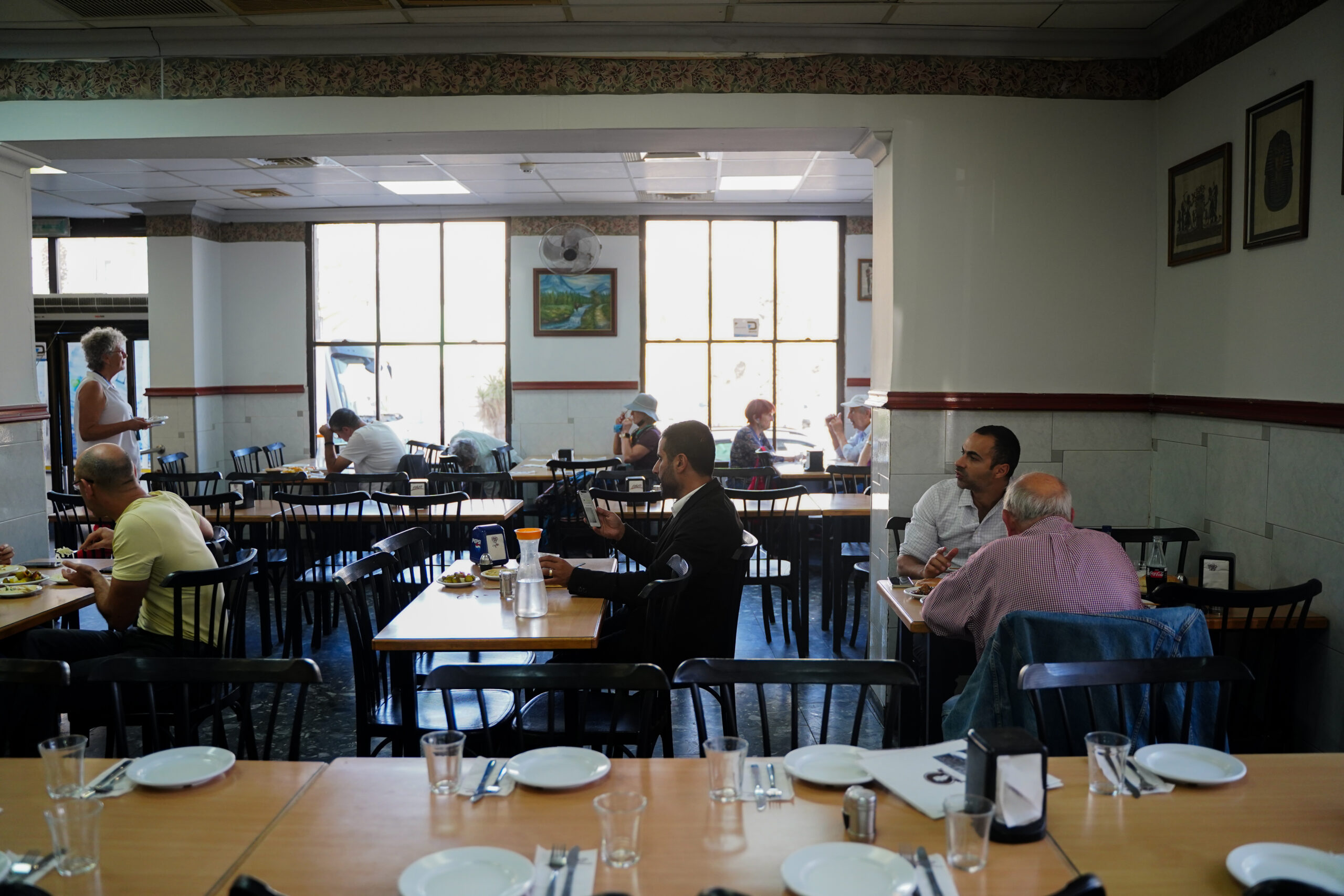
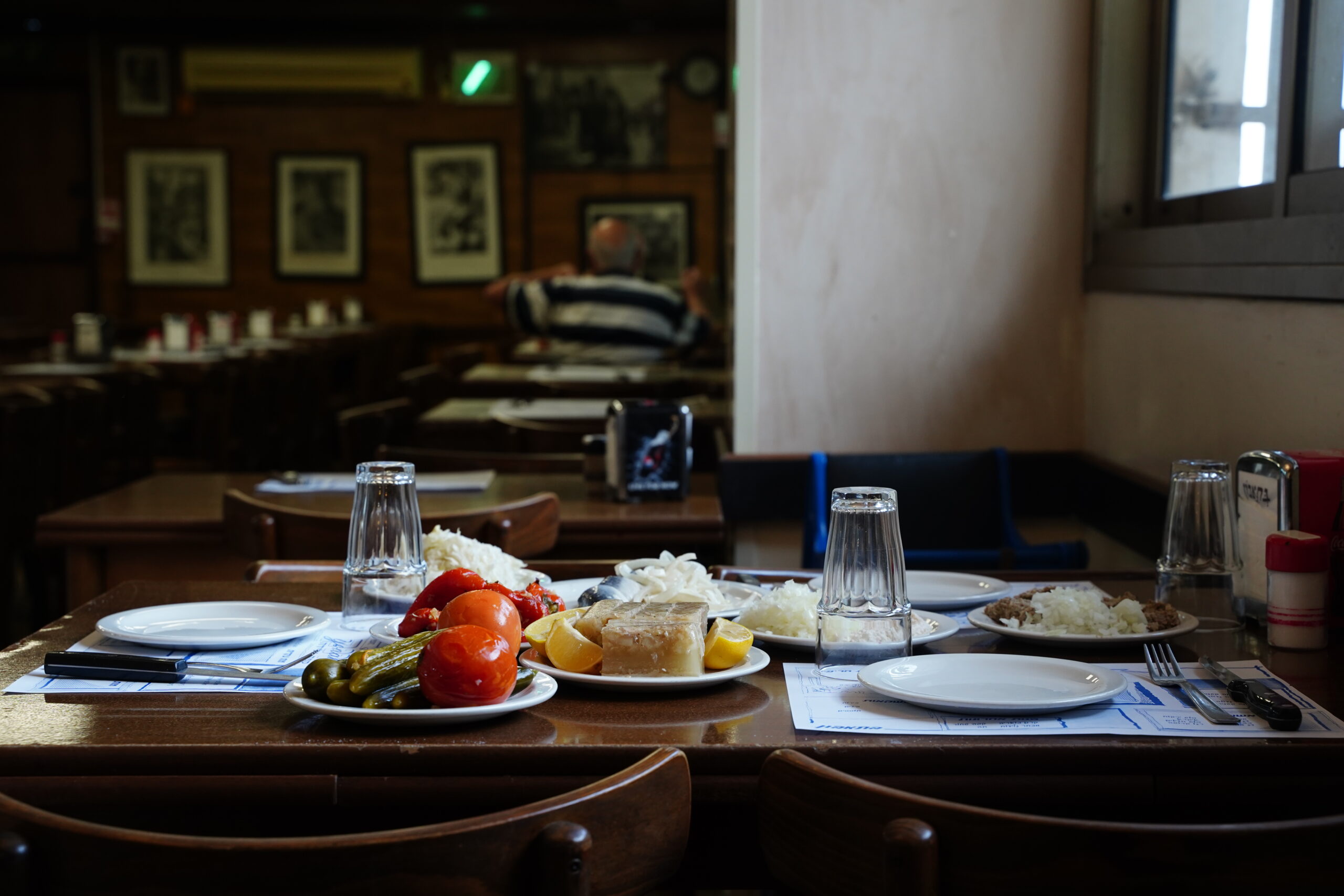
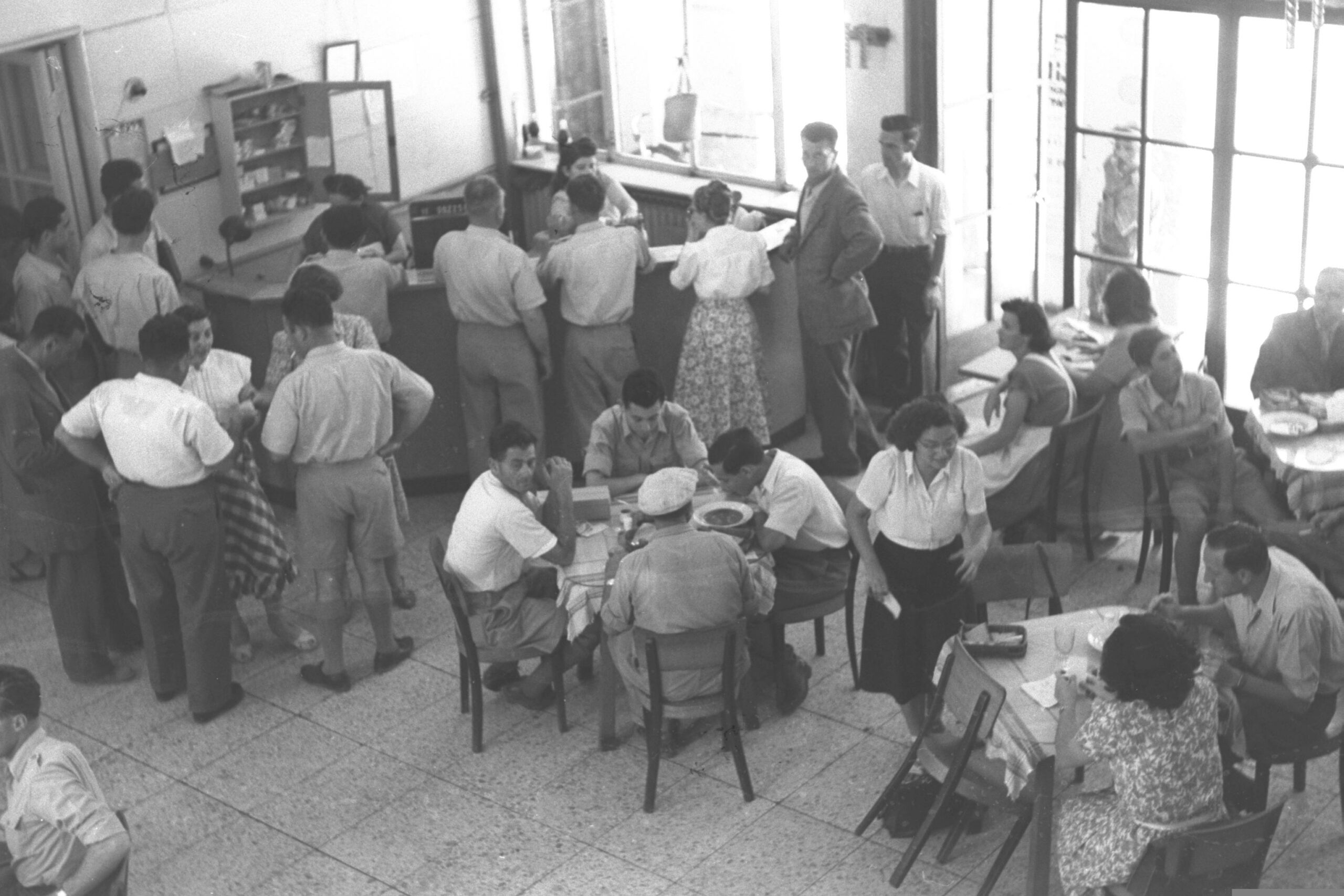
What is a workers’ restaurant in Israel? Do such places still exist or is it just a romantic notion? This conversation will look at various representations of workers’ restaurants in Israeli literature and journalism
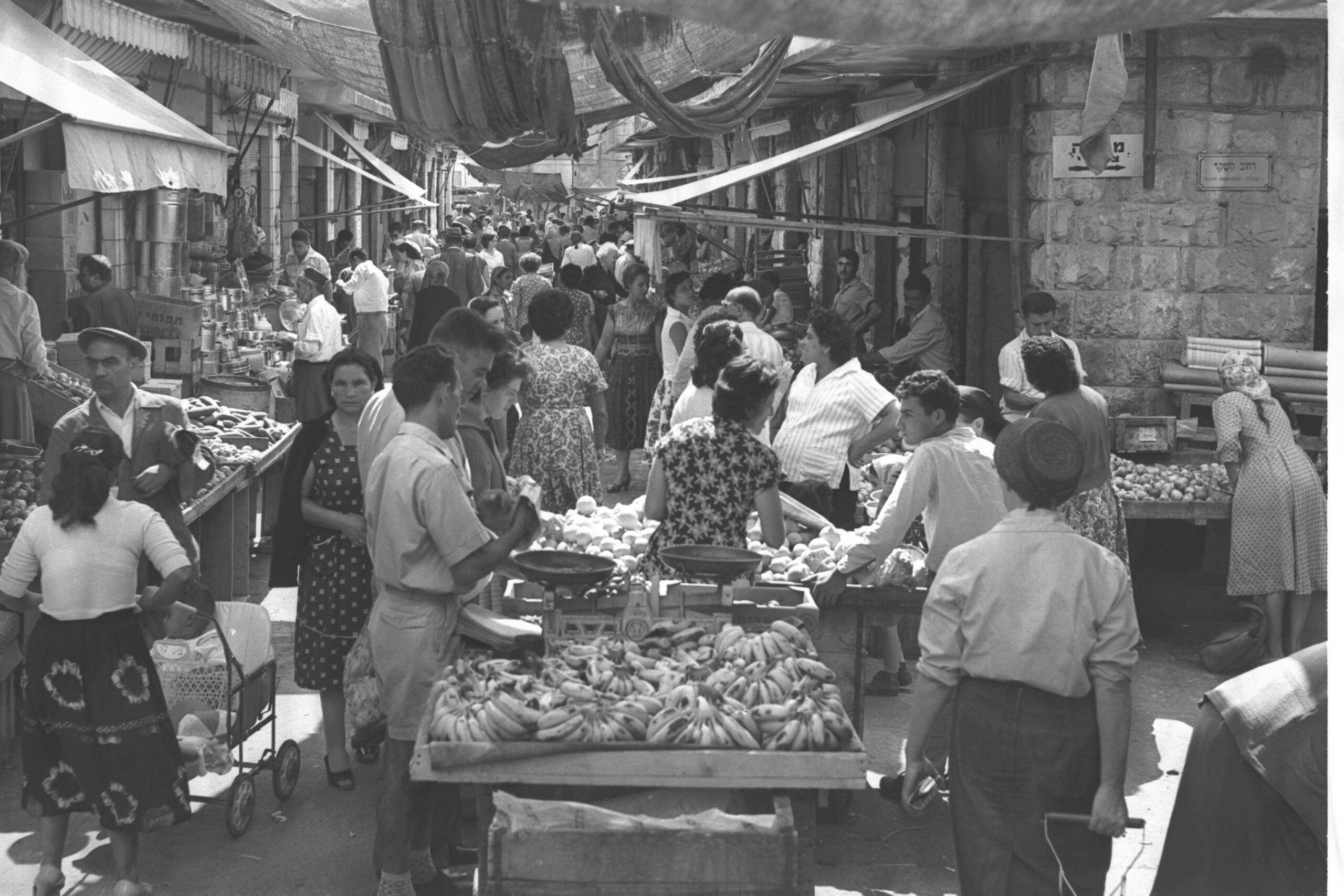
Hila Alpert looks back to a time when Jewish immigrants from Arab countries filled Machane Yehuda with large pots of food that they cooked for one another. Decades later, we can see the influences of the market and those foods on new Israeli cuisine today
Kobi Rubin is a taxi driver and ‘The Tasting Meter’ columnist at Ynet where he shares his special talent for finding the best restaurant deals on the road. We asked him to share eight of his favorite spots.
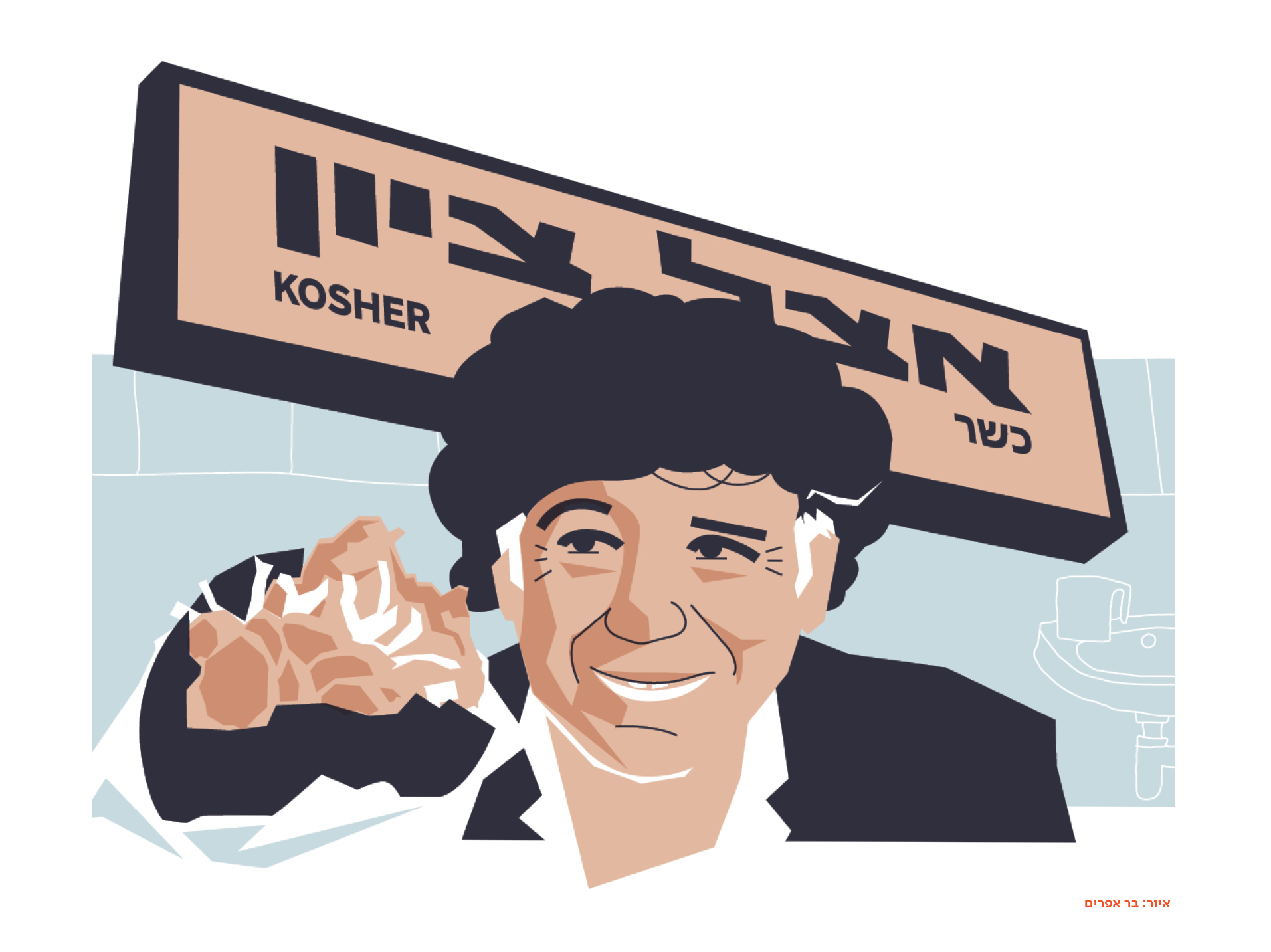
From Yossi Banai’s ode to Azura to Meir Ariel’s ‘Etzel Tzion,’ writer Neta Halperin paints a literary portrait of these restaurants in Israeli society.
The gallery talk will deal with the work process, research, and creation of the exhibition currently on display at Asif, “Home Away From Home Away From Home: A Tribute to Workers’ Restaurants.”
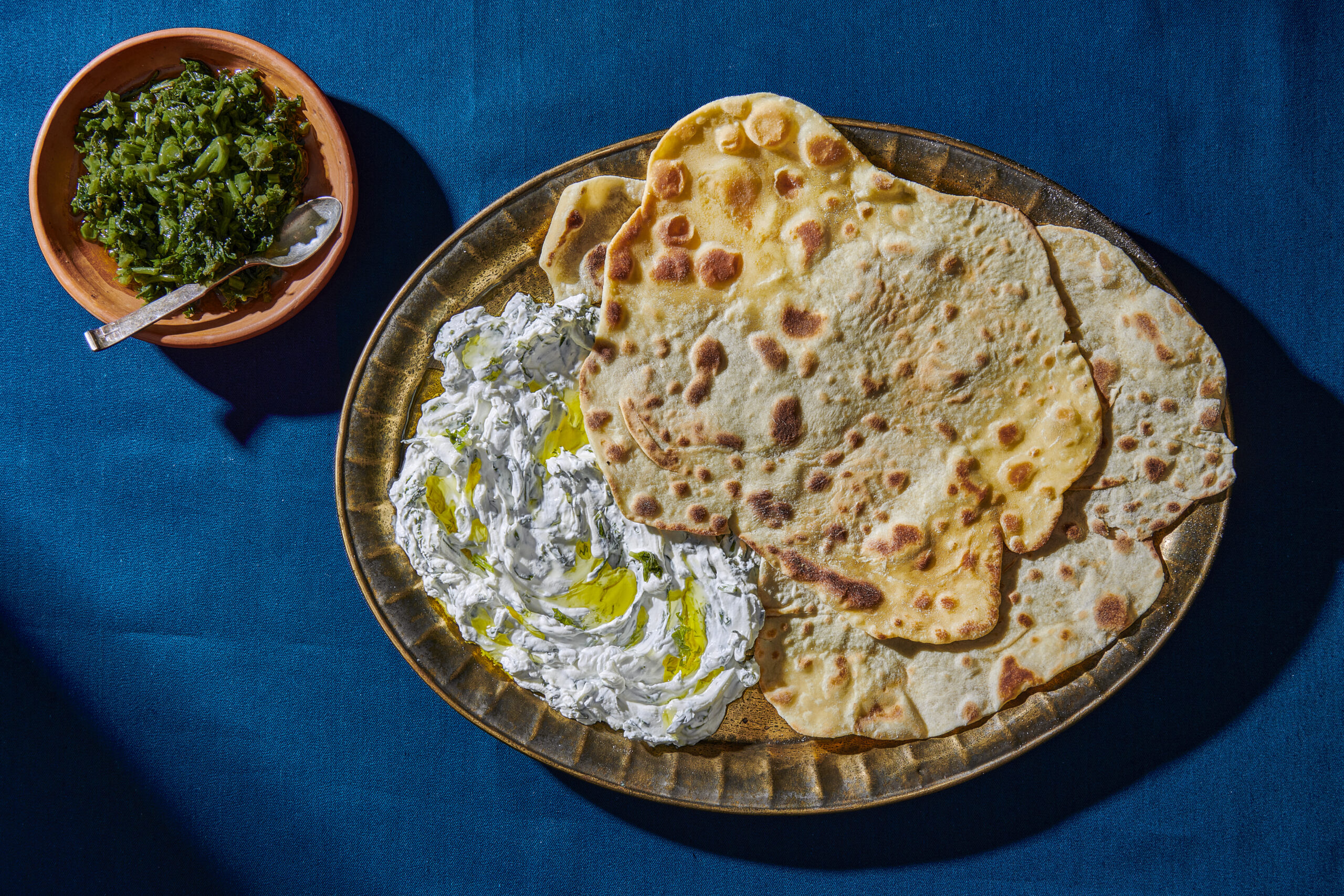
Filipino kare-kare, Vietnamese pho, Chinese baozi, Sudanese kisra and Eritrean injera — these are just a few delightful dishes served at the restaurants owned by and for Tel Aviv’s foreign workers. Over the last decade, dozens of restaurants offering generous portions of delicious home-made food at accessible prices opened in the south of Tel Aviv. So how come few people outside of the communities they serve have heard of them?
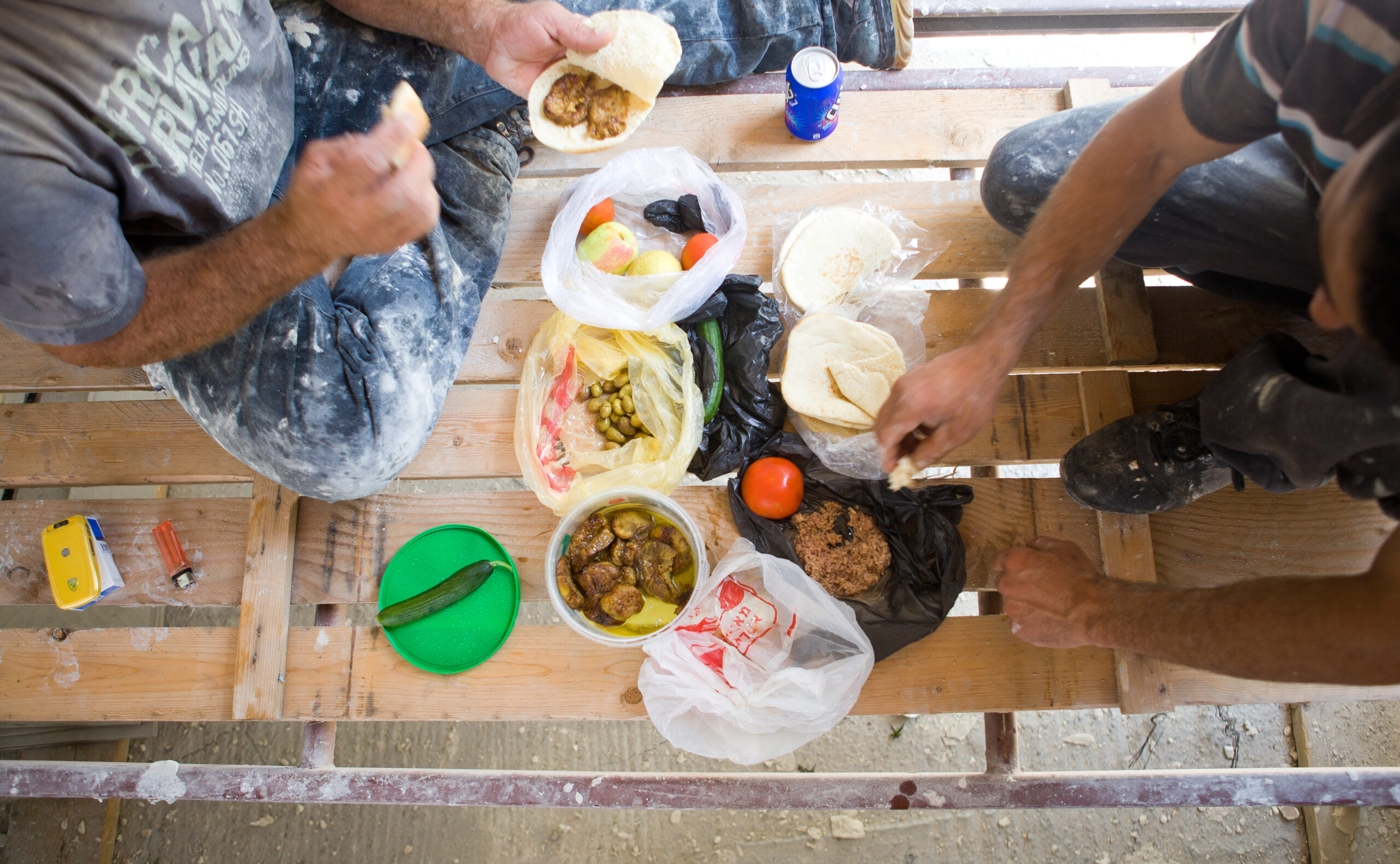
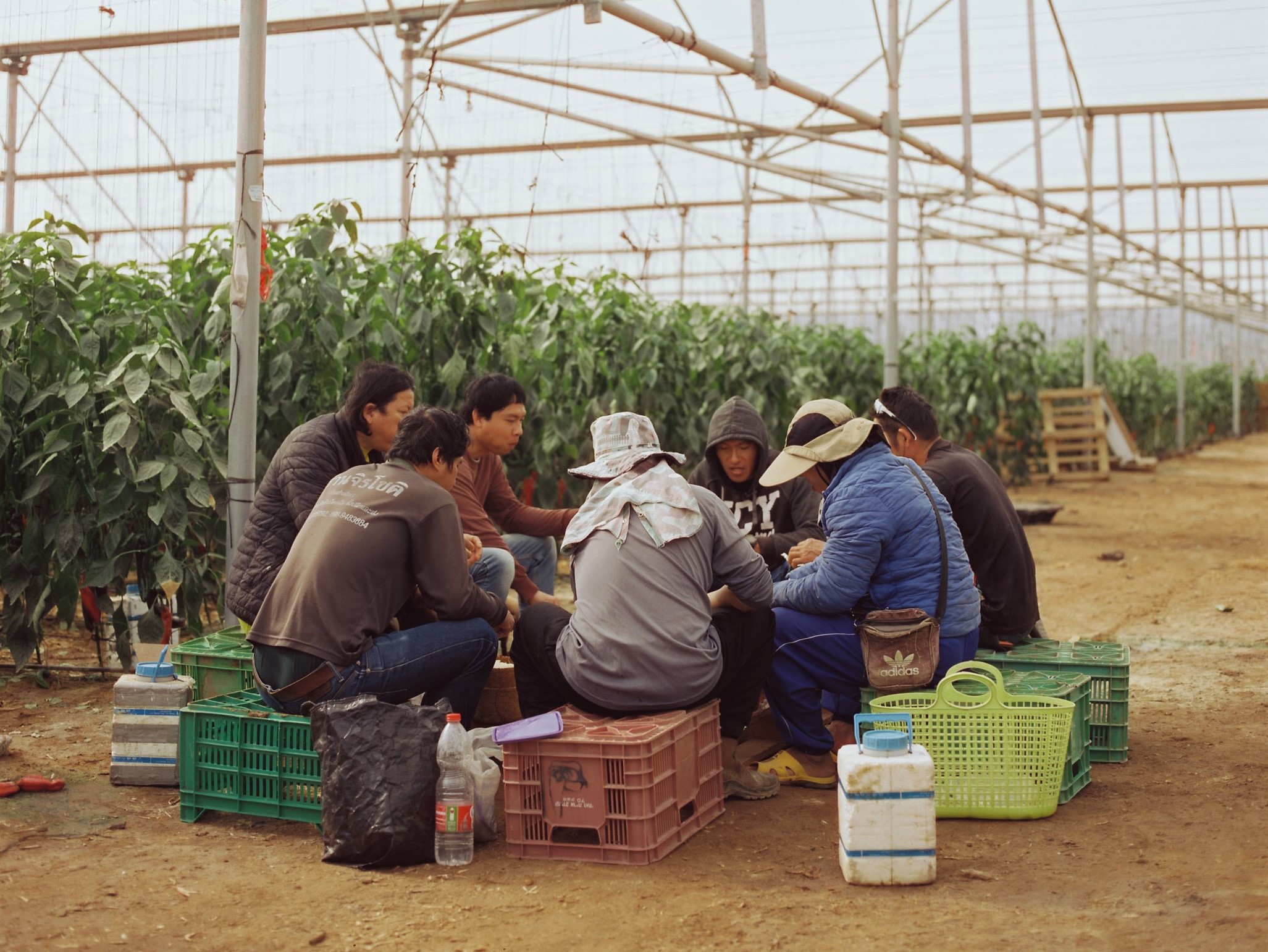
As part of the exhibition “Home Away from Home Away From Home: A Tribute to Workers’ Restaurants,” the photographers Dan Perez and Ilya Markus set out to document workers in Israel during their lunch break.