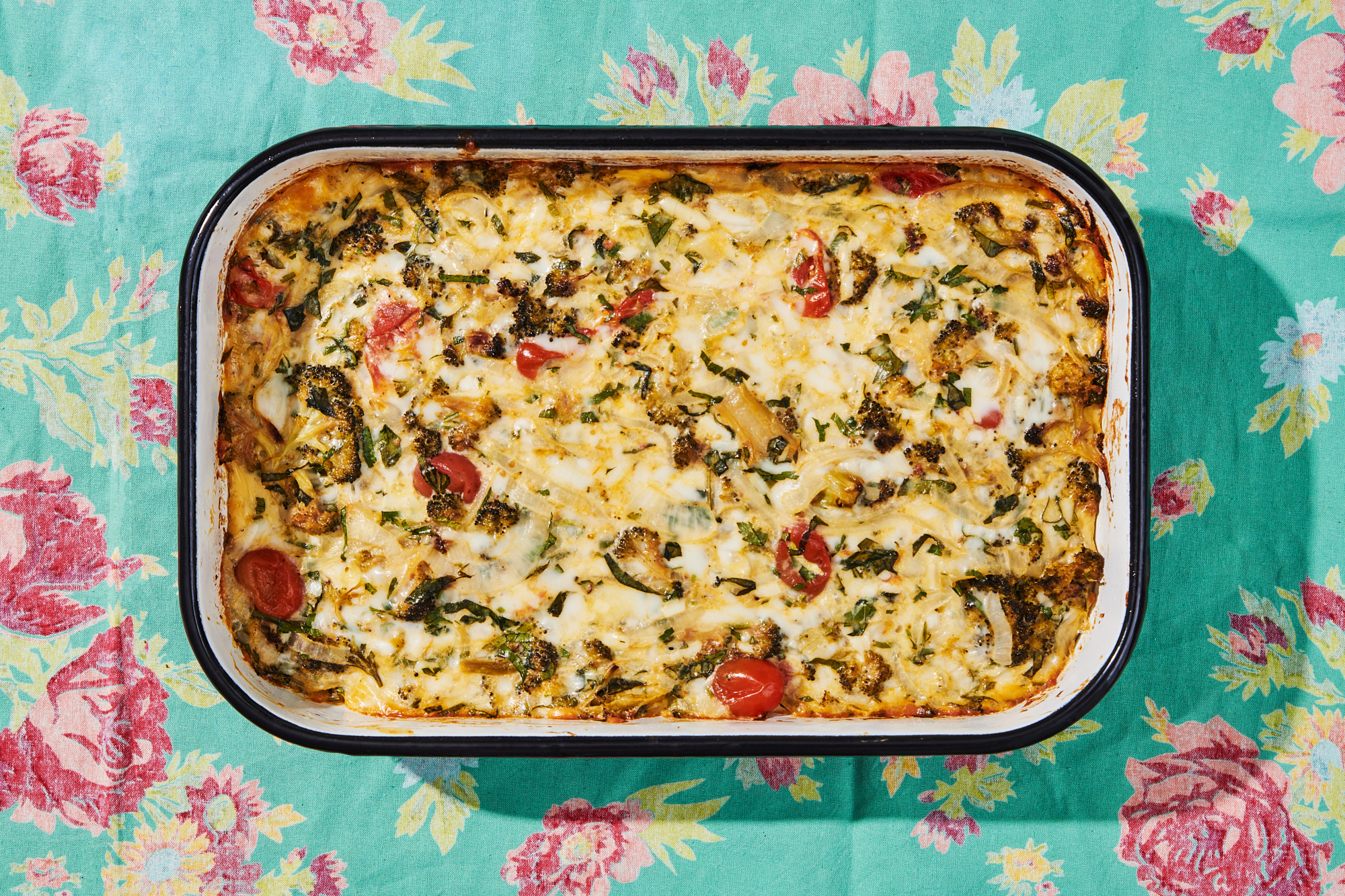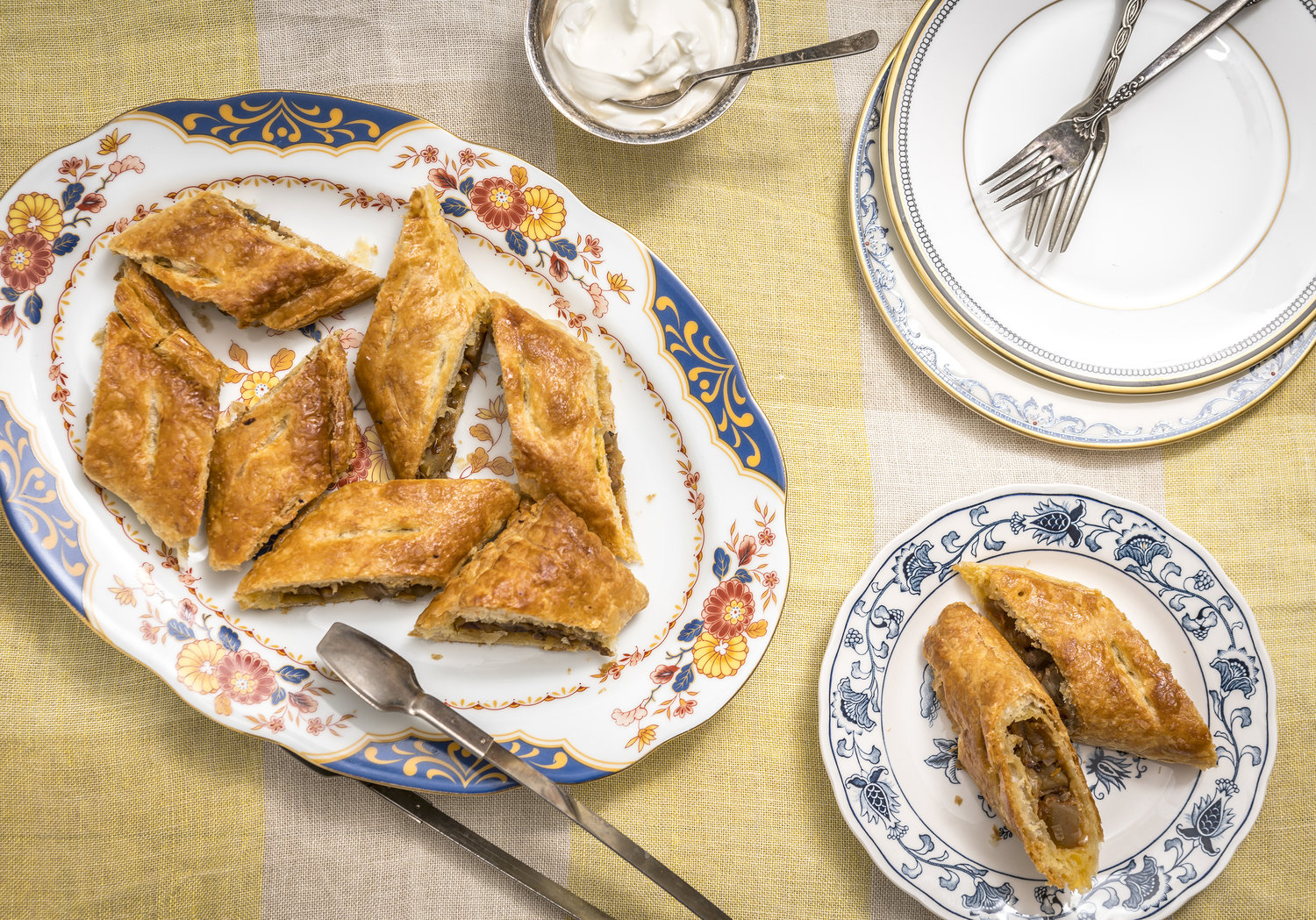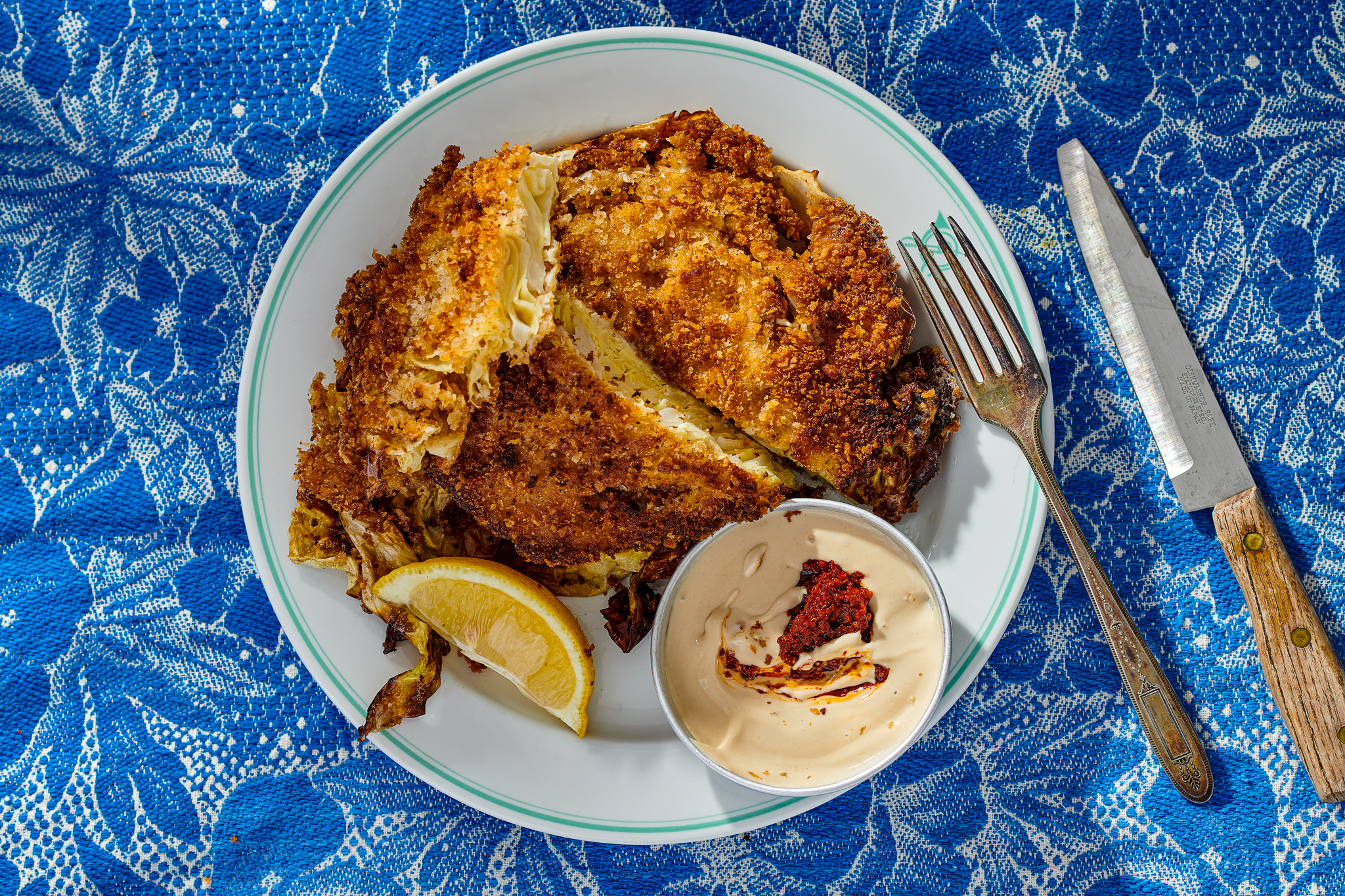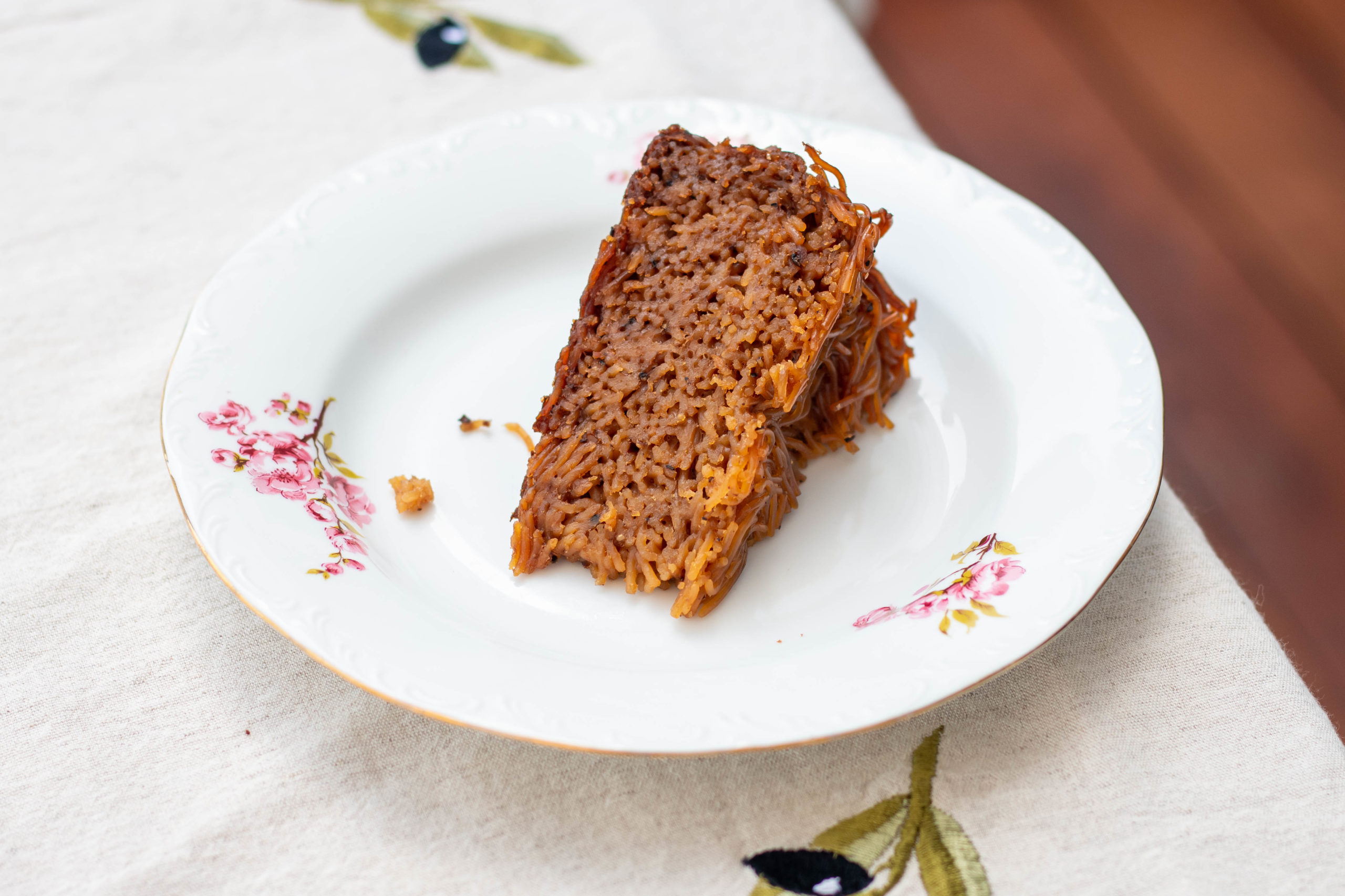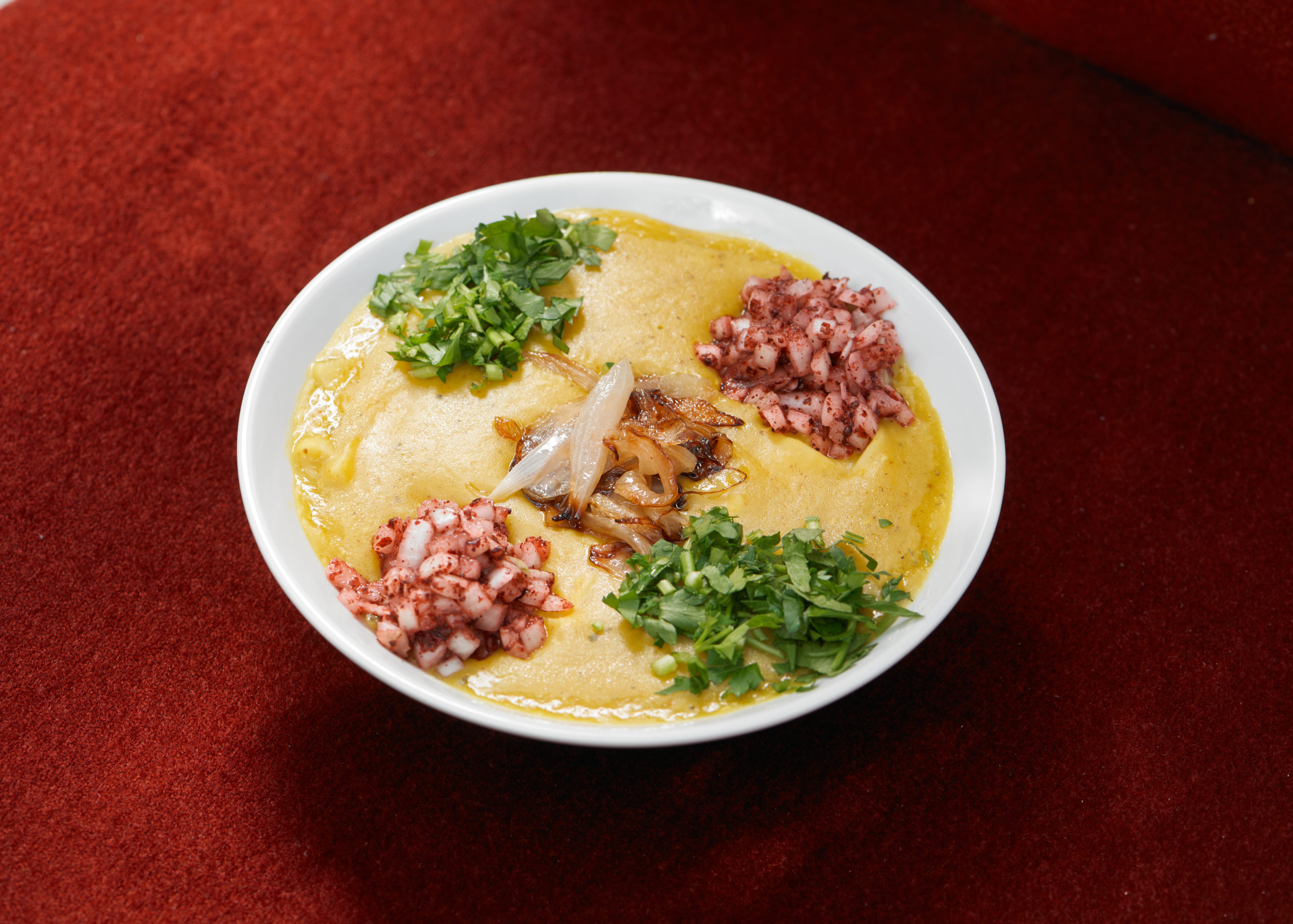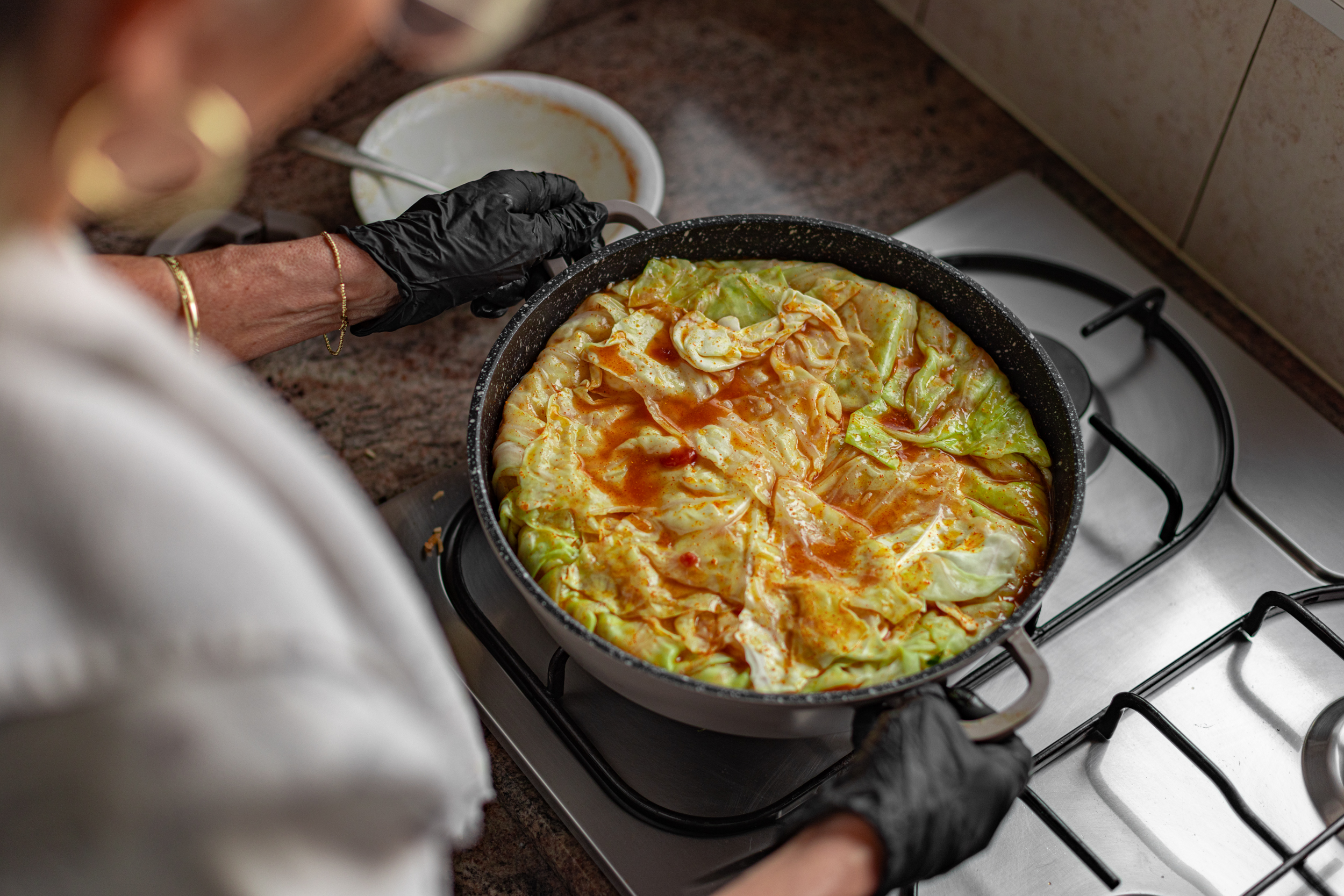
Stuffed Cabbage Cake
“My children could eat this cabbage cake every day, all day,” remarks Nurit Levy
“My children could eat this cabbage cake every day, all day,” remarks Nurit Levy
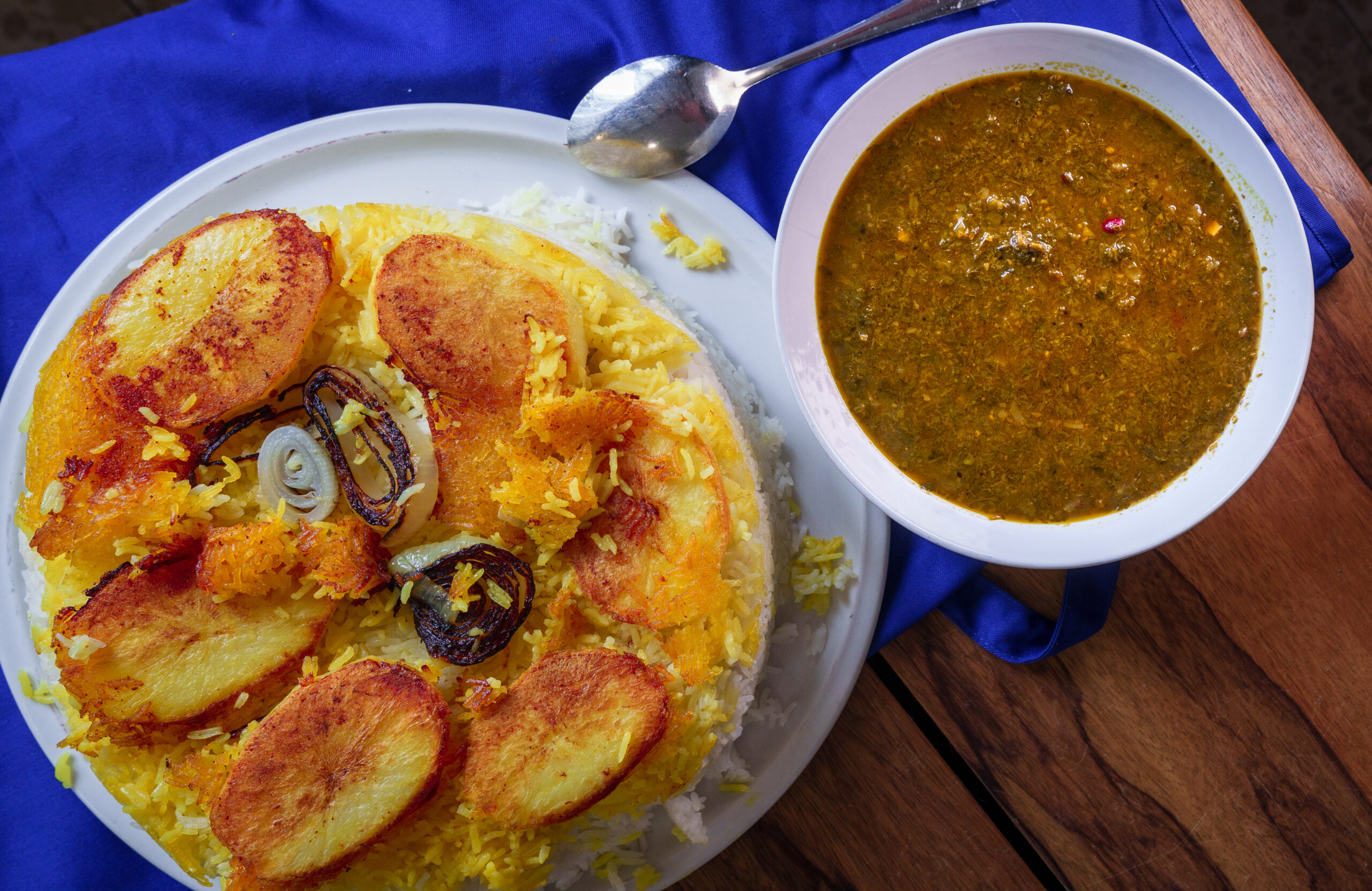
Every Friday evening at her house, Malka serves Persian sabzi with meat and tahdig.
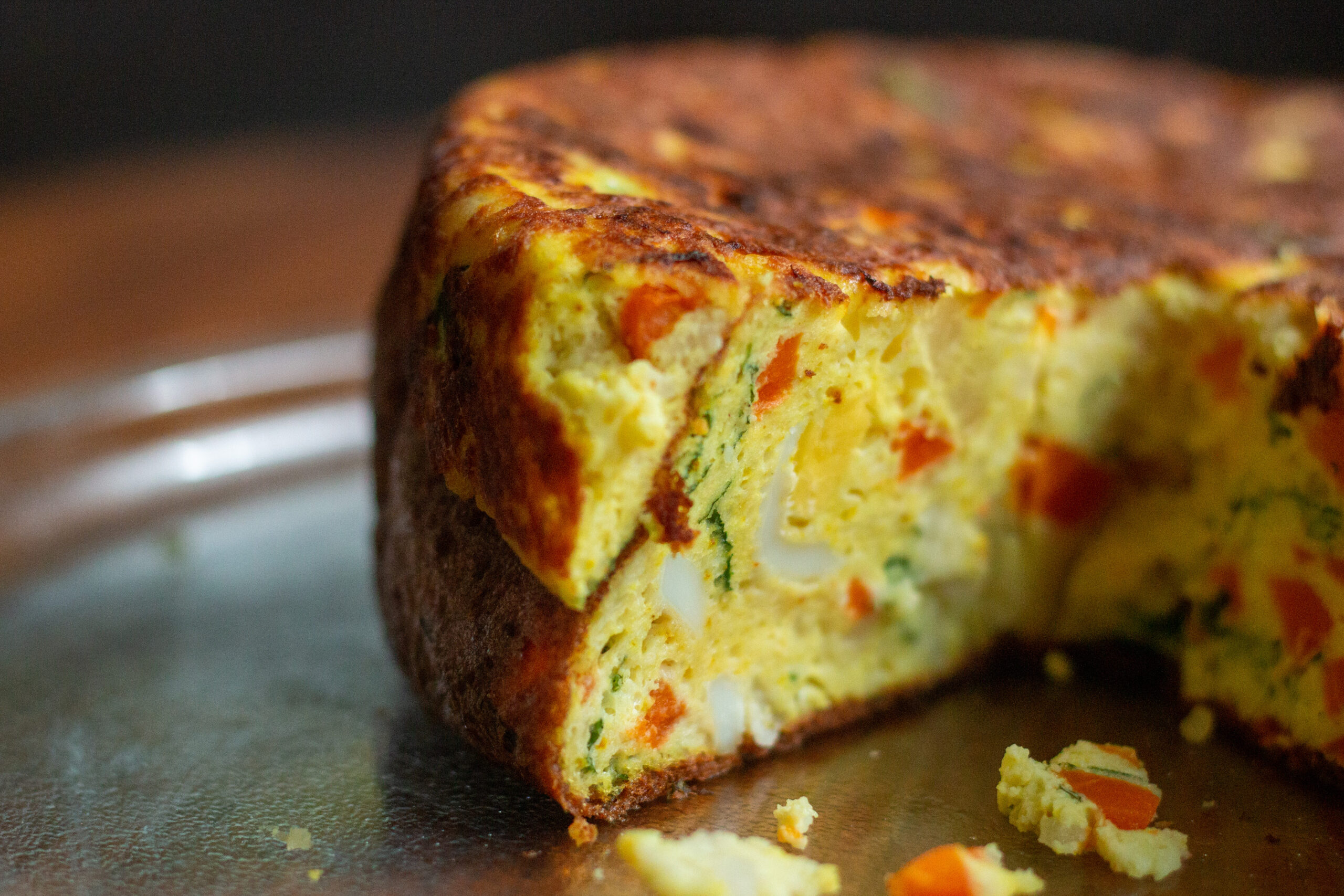
Miri Ben Siomon who was evacuated from Kiryat Shmona, cooks for her family a Moroccan dish called mkhamar, a savory potato and egg pie
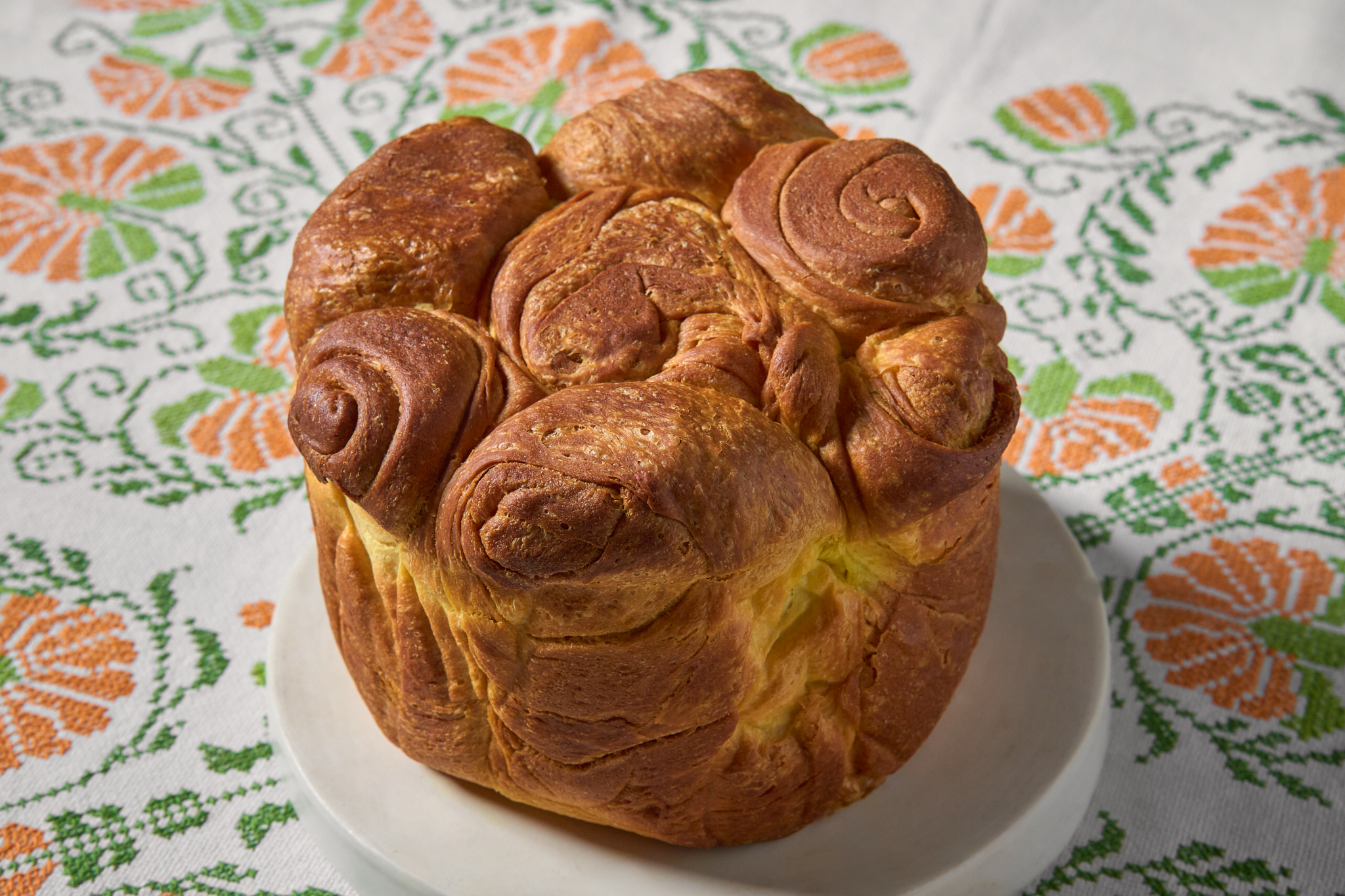
She baked thousands of kubanehs in her life, now that she is away from home all she wanted is to bake again. This is Shosh Yosef’s recipe for Kubaneh including all its secrets
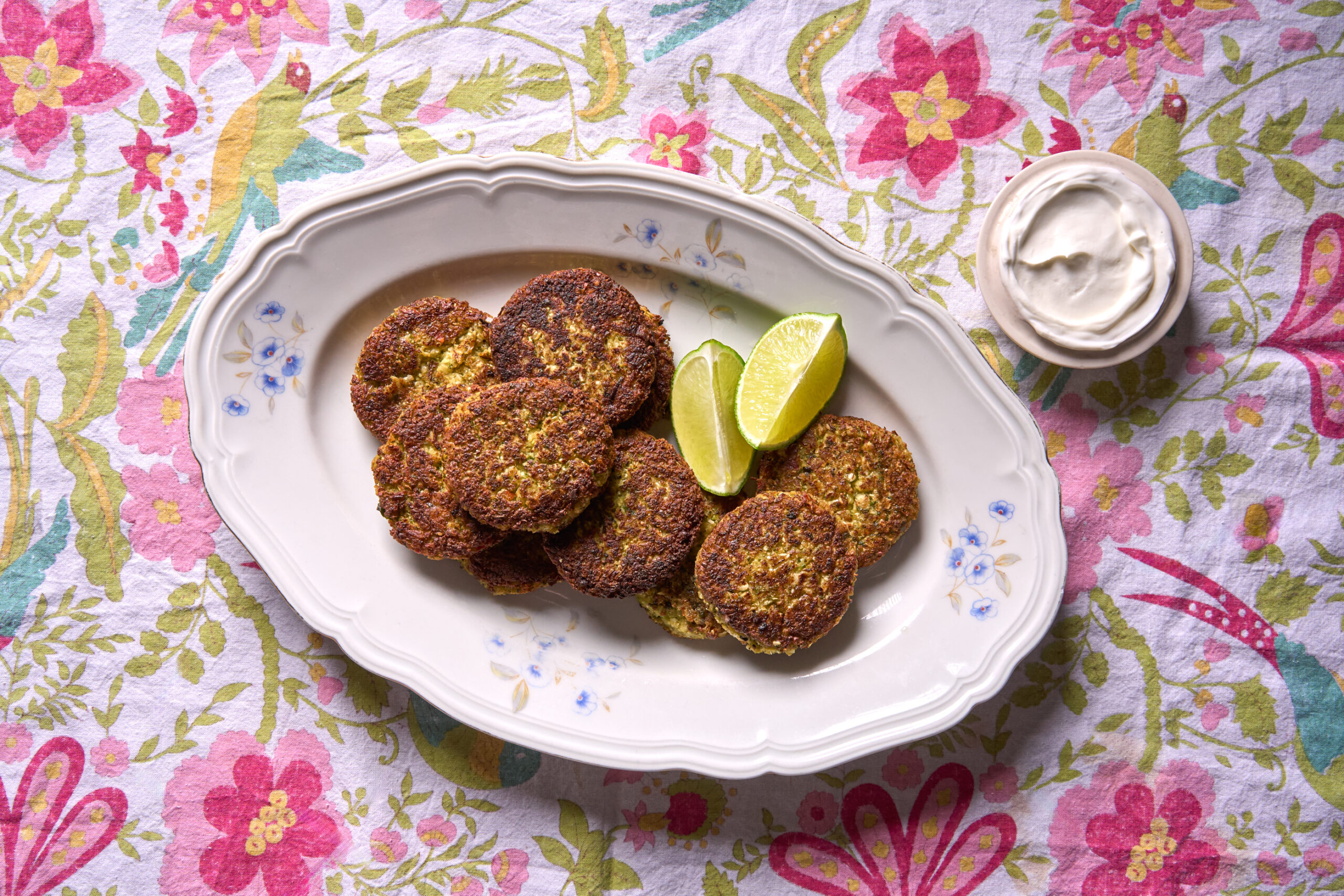
“During Hanukkah two years ago, we spontaneously decided to make a latkes version [sans meat] of the cherished fritters. Try them this coming Hanukkah — they’re great!”
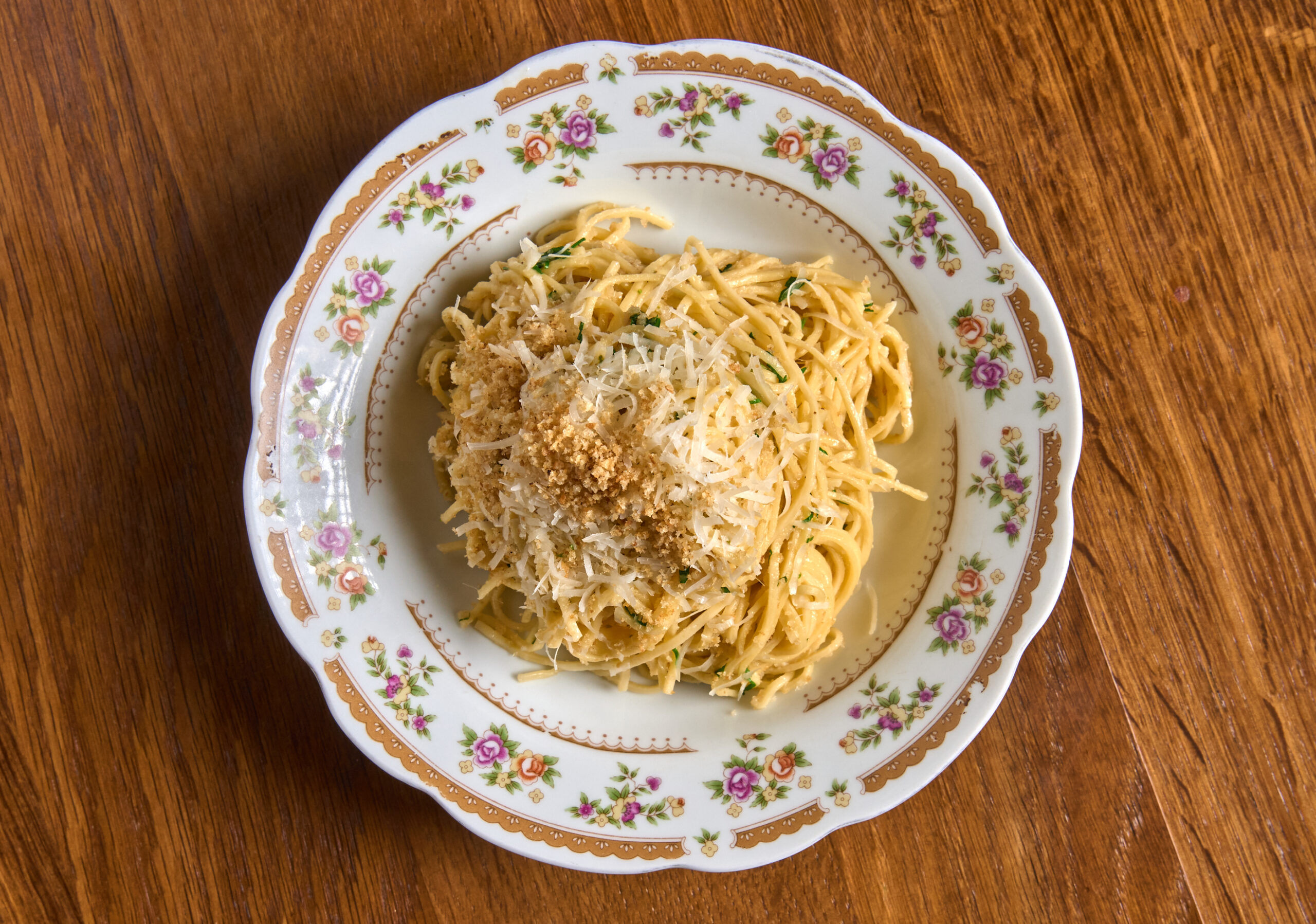
“When my youngest son, Uri, was young, he preferred food without sauce. We used to prepare this pasta with a mild sauce specifically for him, and it eventually became one of our favorite dishes”
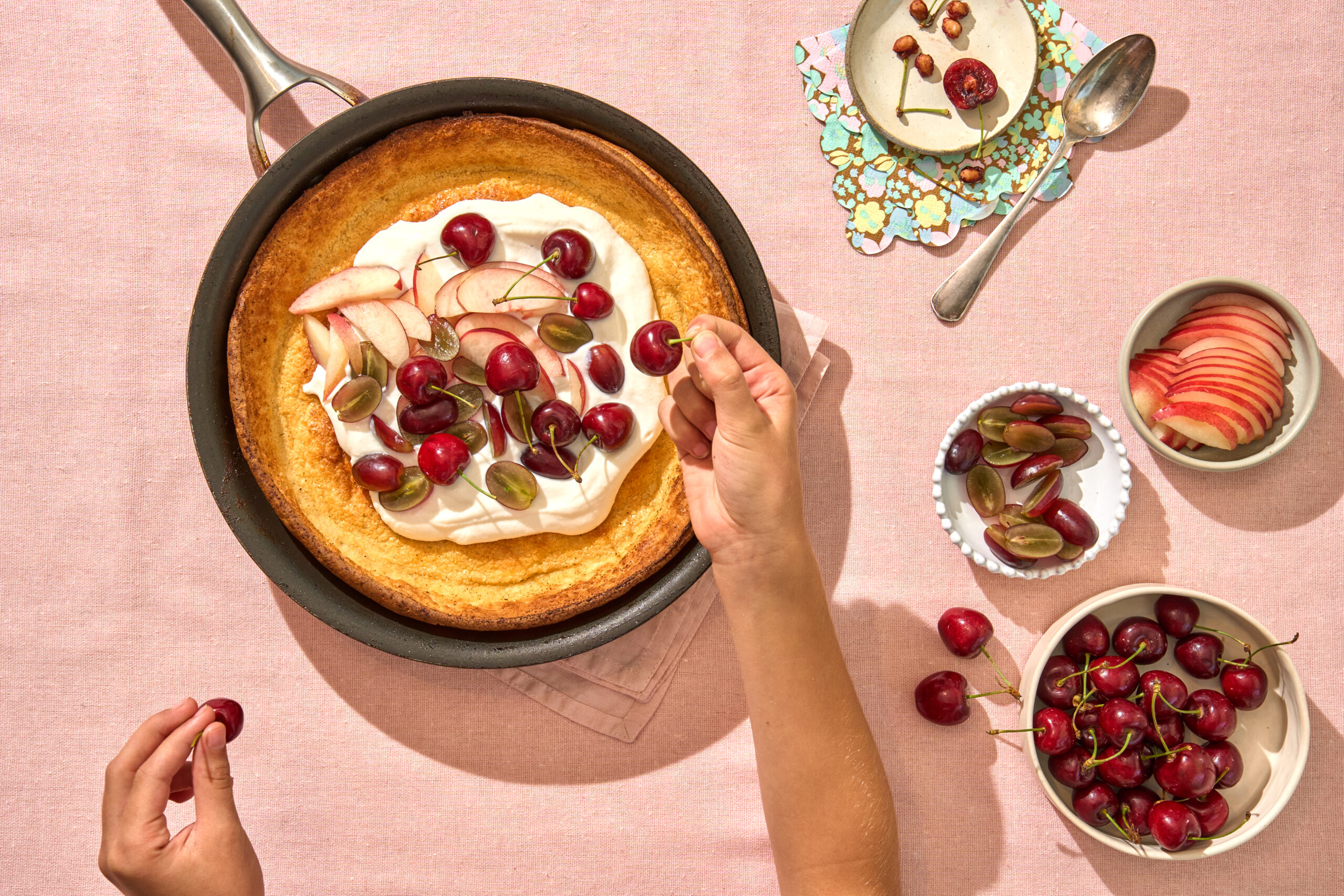
Instead of a stack of pancakes that need to be cooked individually, Lavie created a recipe for a plump family-sized pancake that’s baked in the oven
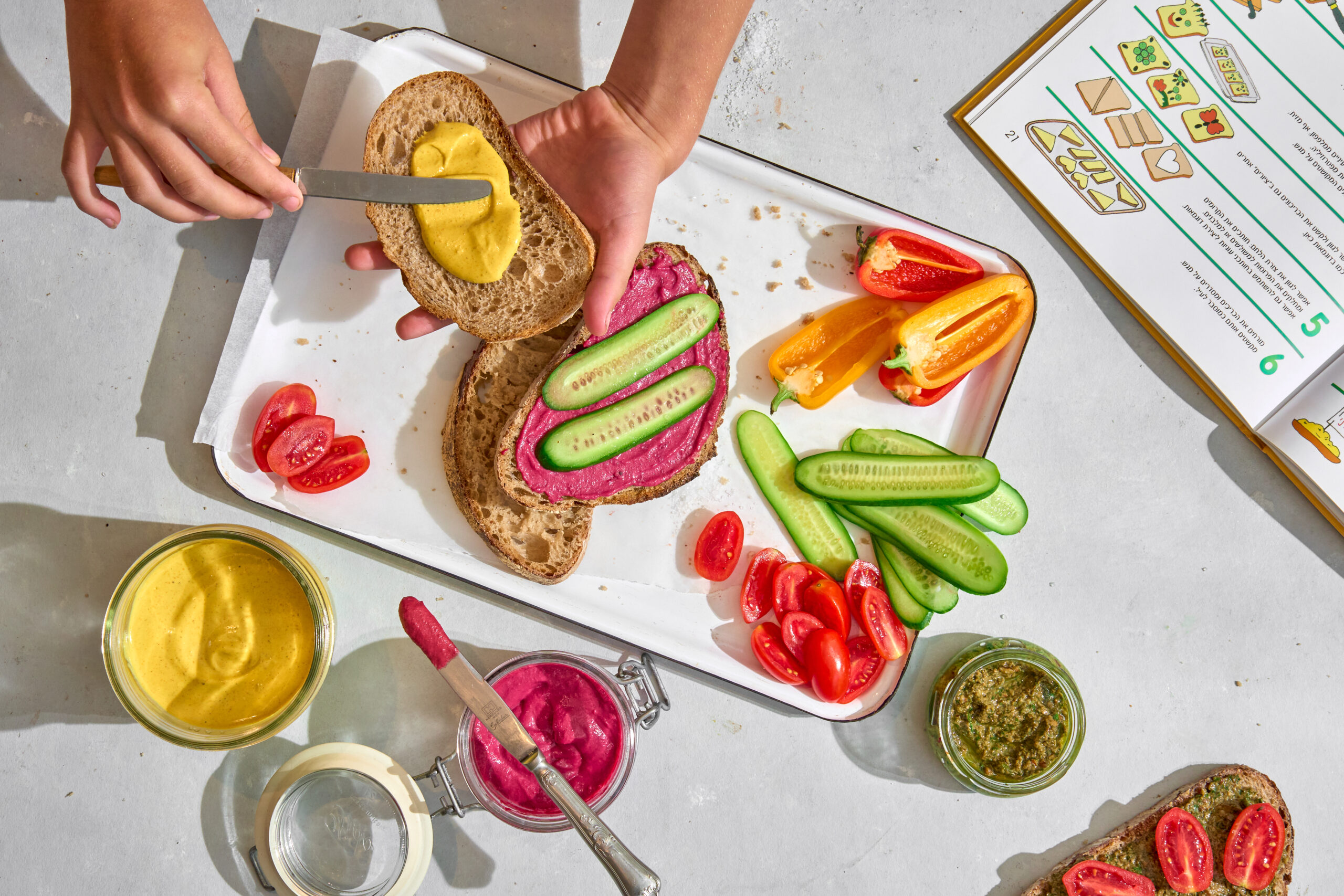
Colorful and beautiful “rainbow sandwiches” you have to make with the kids
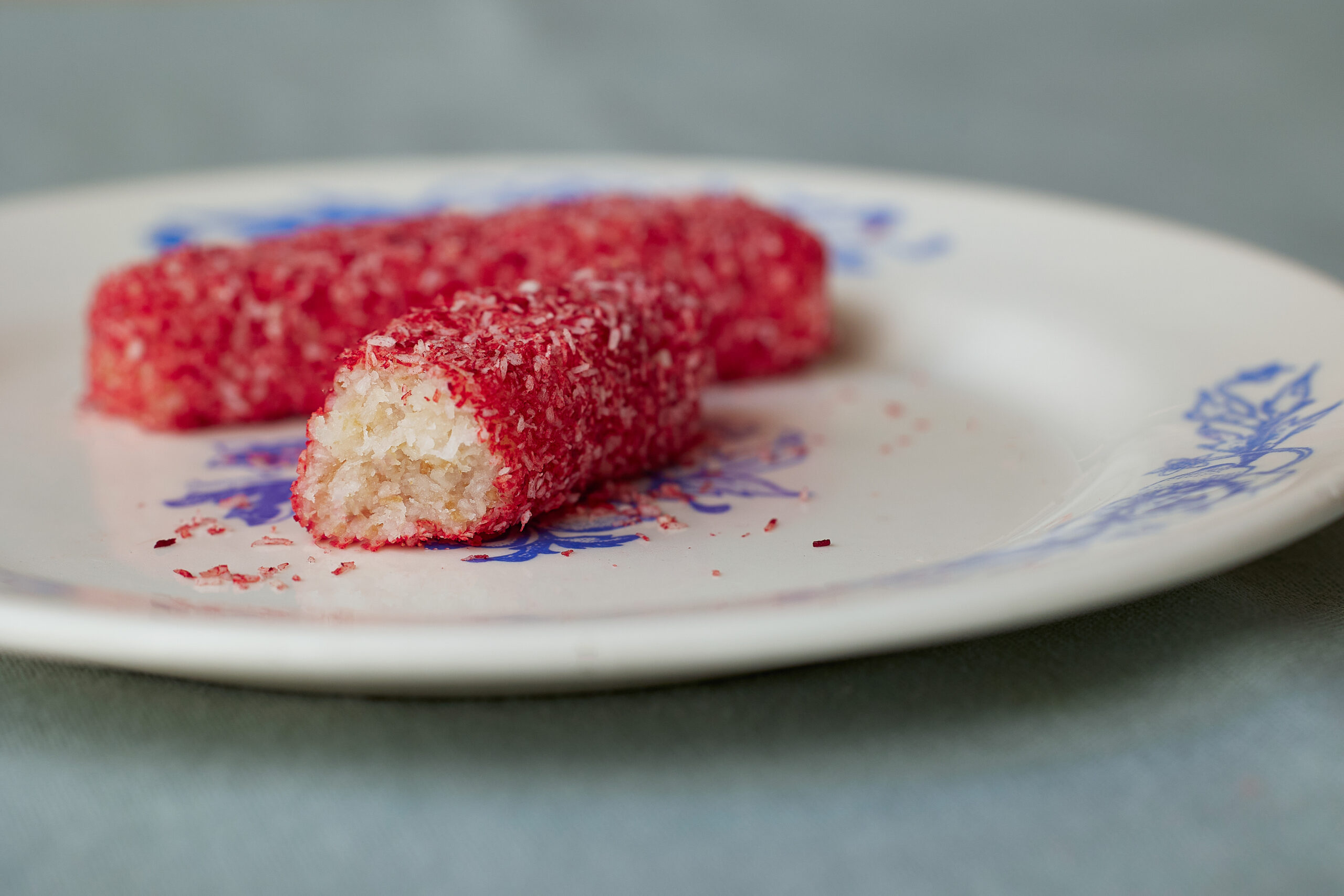
The nostalgic, eye-catching coconut candy has long been a favorite in Israel and it’s easy and fun to make it at home.
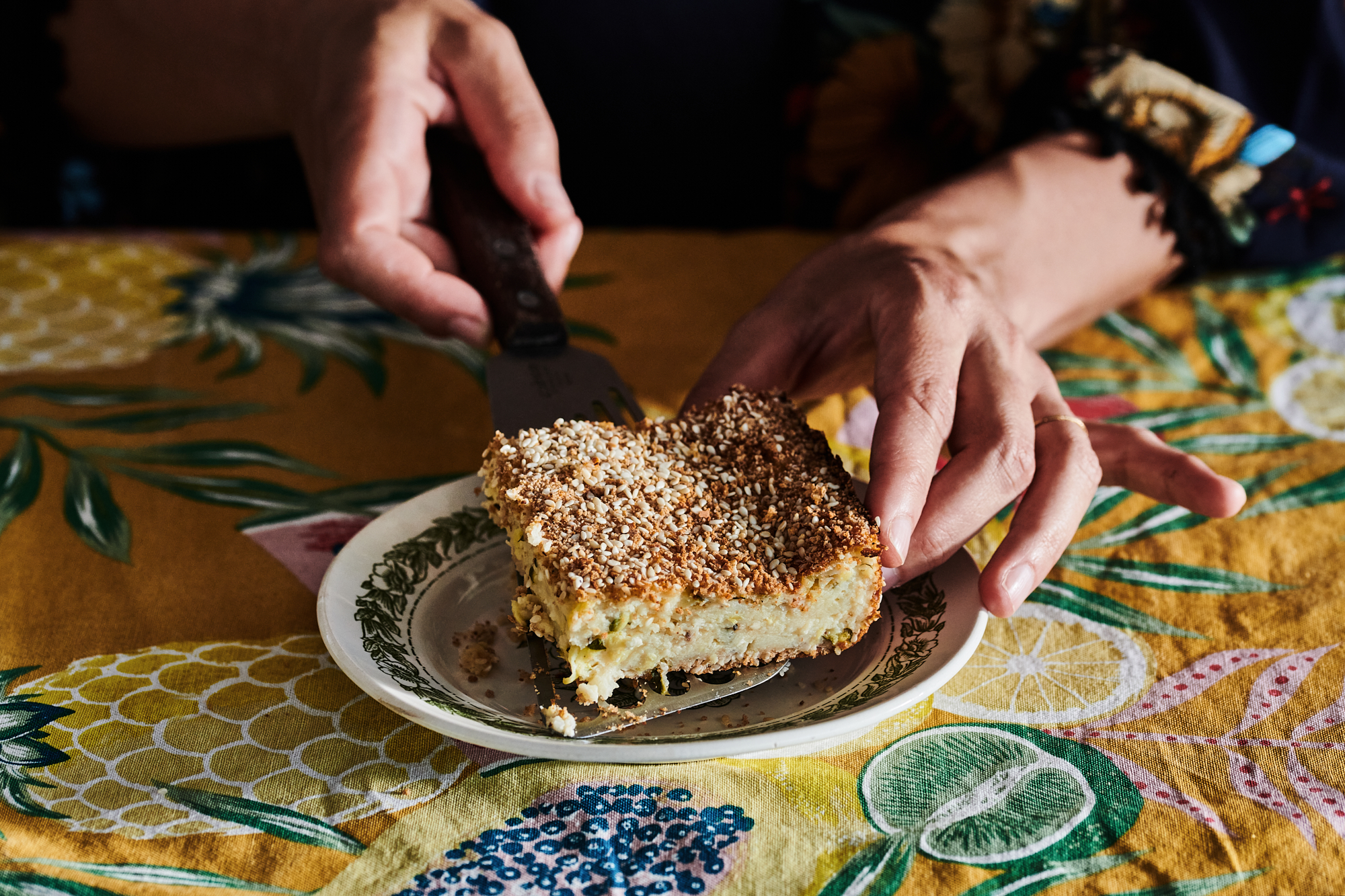
Keren Agam’s Greek-inspired pashtida with zucchini and feta has a wonderful twist – a sesame seed topping that makes every bite crispy.
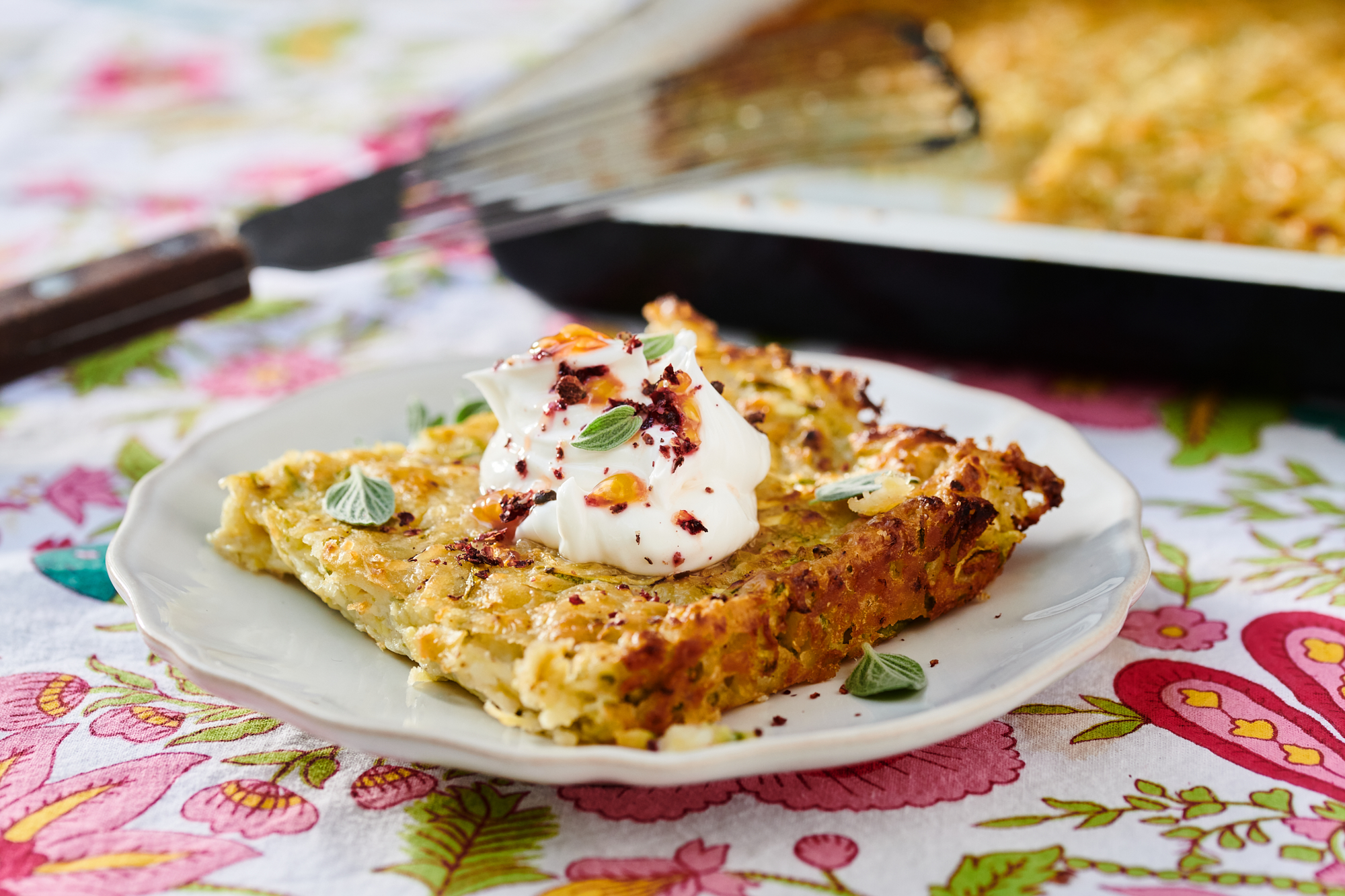
Hillel Gardi’s easy recipe for a zucchini pashtida comes from his late beloved grandmother. Serve it with goat milk labneh, sumac and hyssop.
For Shavuot, we asked five chefs and food writers to share a family or personal recipe for pashtida and the story behind it.
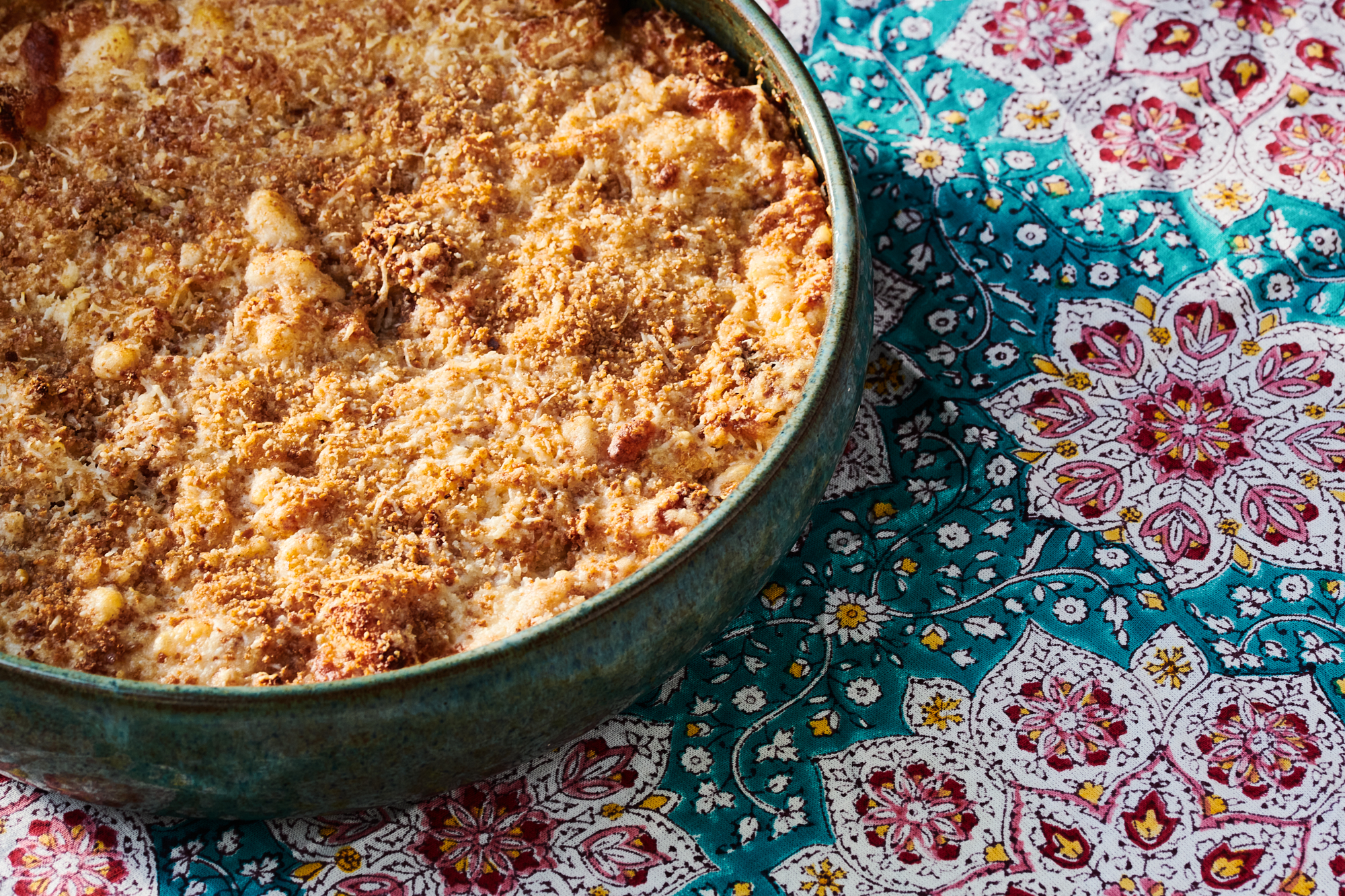
In this recipe from chef Tomer Tal, yesterday’s bread is transformed into a pashtida that’s tender on the inside and crispy on the outside
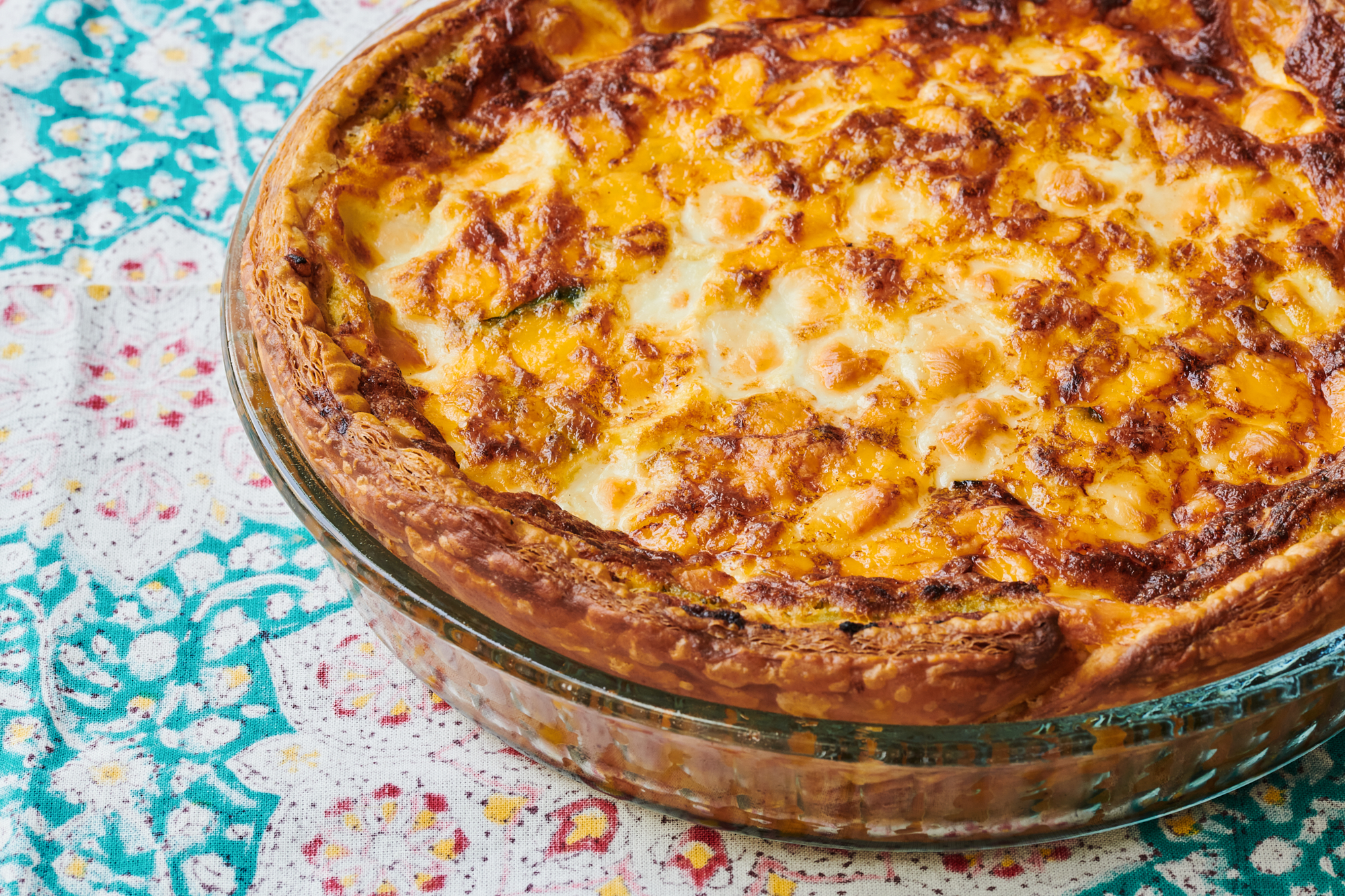
Recipe by Yael Dabby for Puff Pastry Quiche with Swiss Chard & Cheese. The crispy base of puff pastry, makes the preparation much easier.
Adeena Sussman’s wonderfully delicious cheese & roasted vegetable pashtida recipe also cleverly uses up leftover challah from Shabbat.
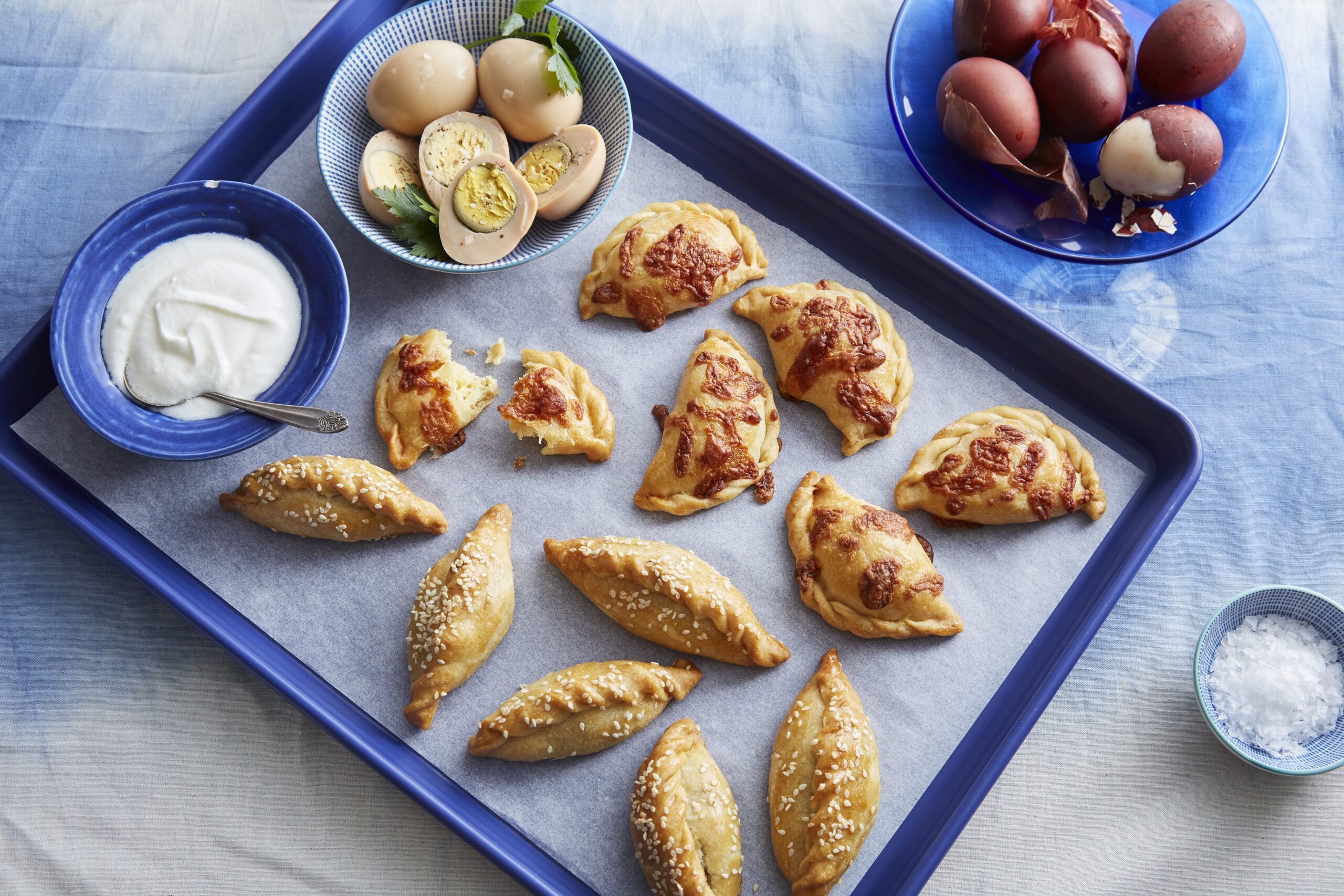
This recipe from Levana Lowenstein for simpler borekitas with eggplant or with cheese for Shabbat breakfast or Shavuot.
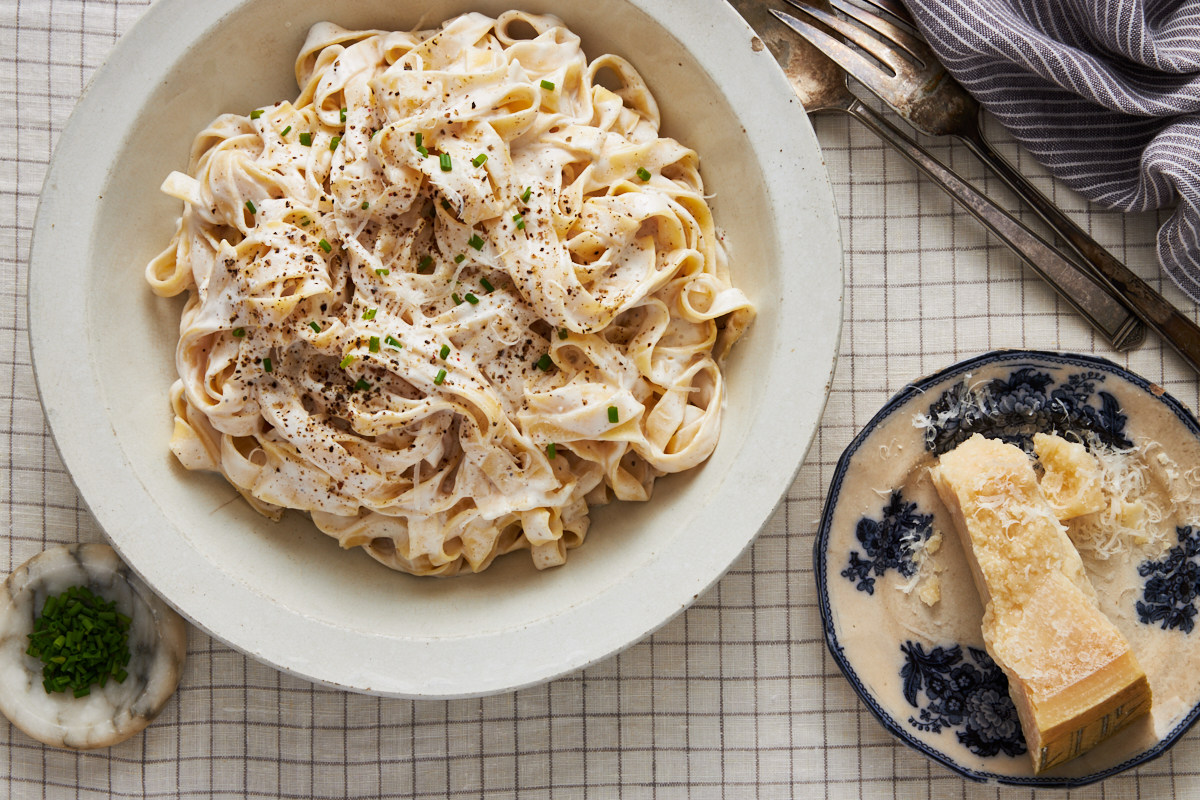
This recipe from Elyssa Heller, borrows from cacio e pepe, a classic Roman dish made with lots of freshly ground black pepper
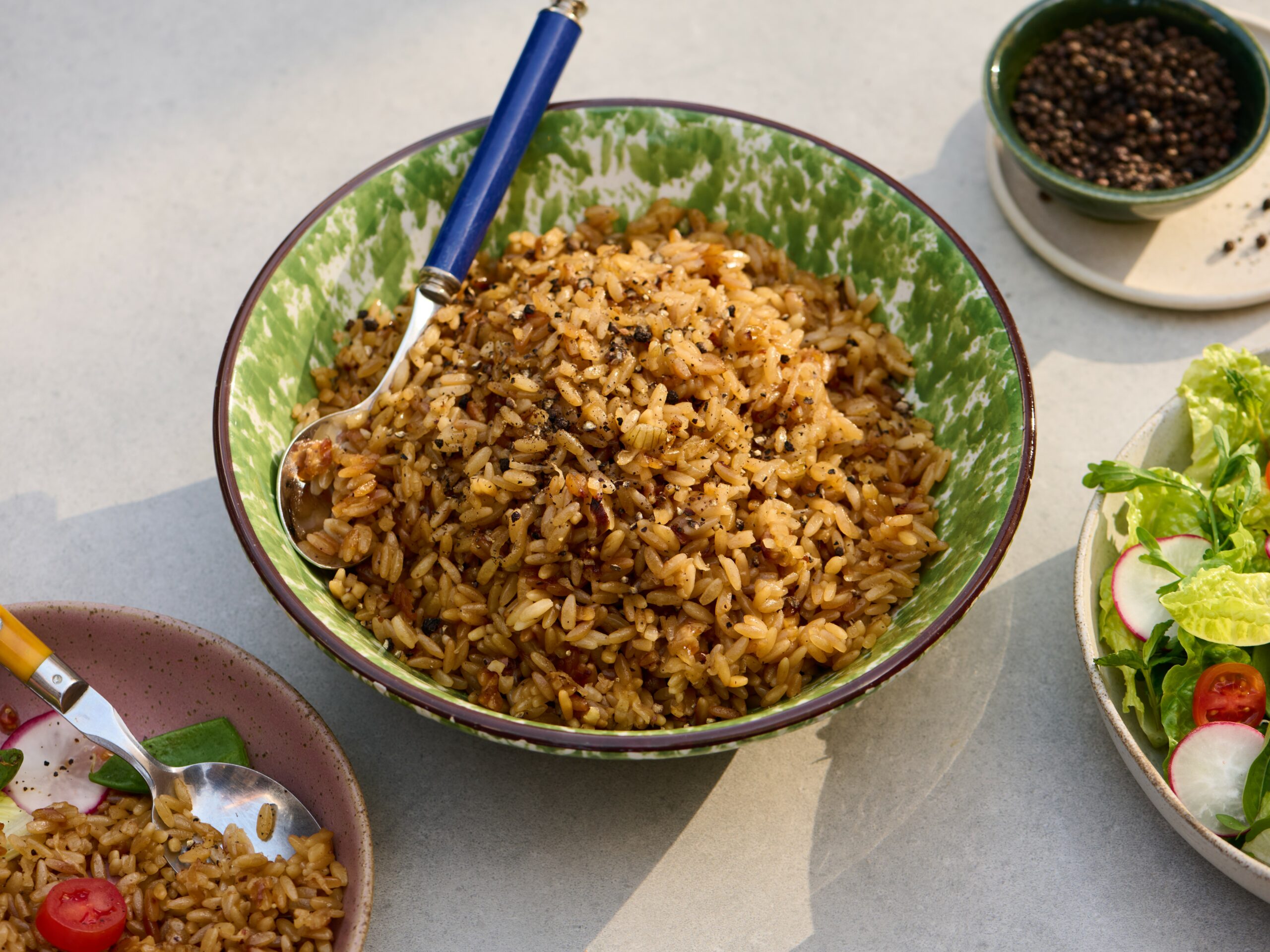
This ptitim dish is served at Ibn Ezra restaurant, and It has plenty of patiently fried onions with a little honey and loads of black pepper.
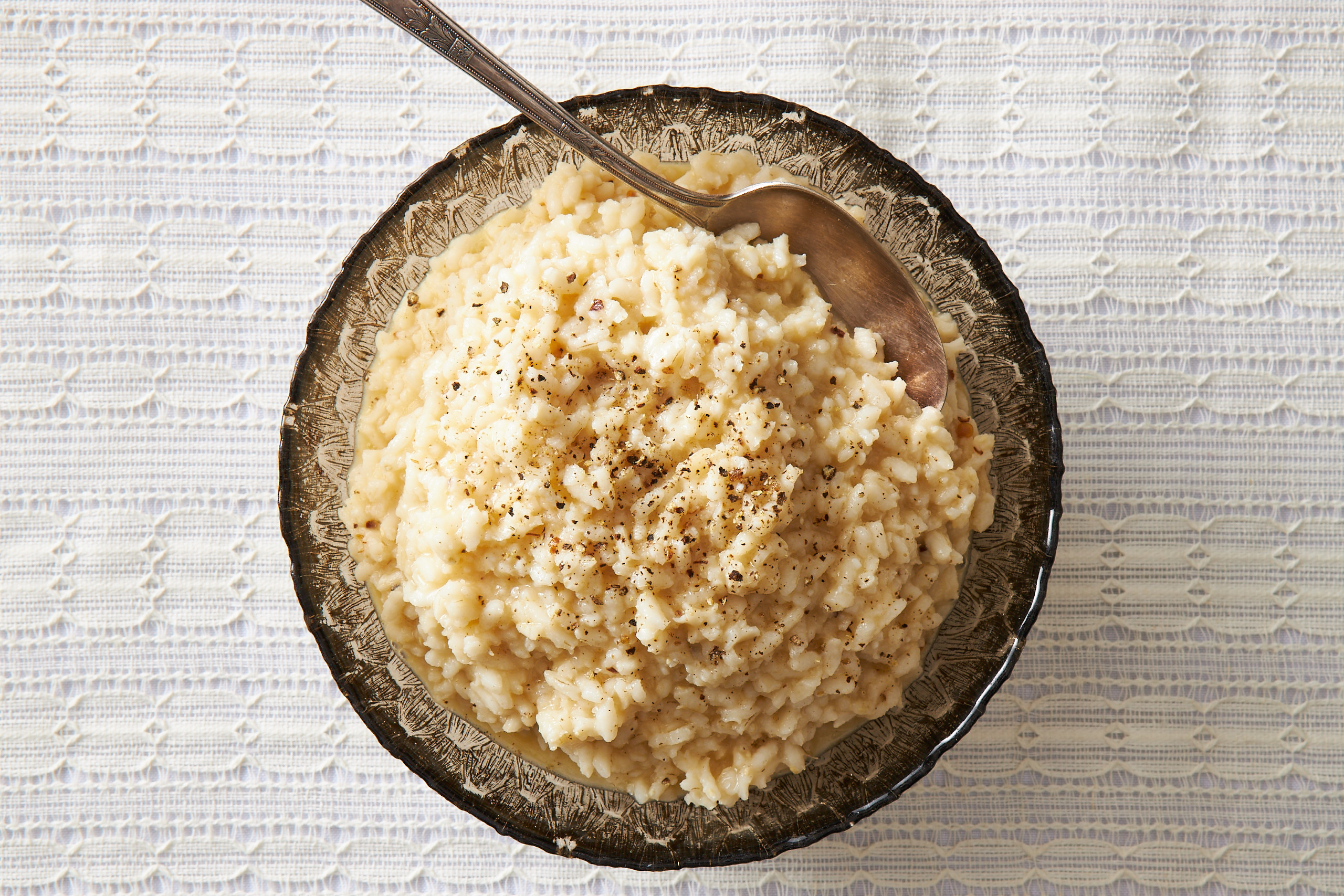
A beaten egg added at the last moment helps make the dish creamy without any dairy.
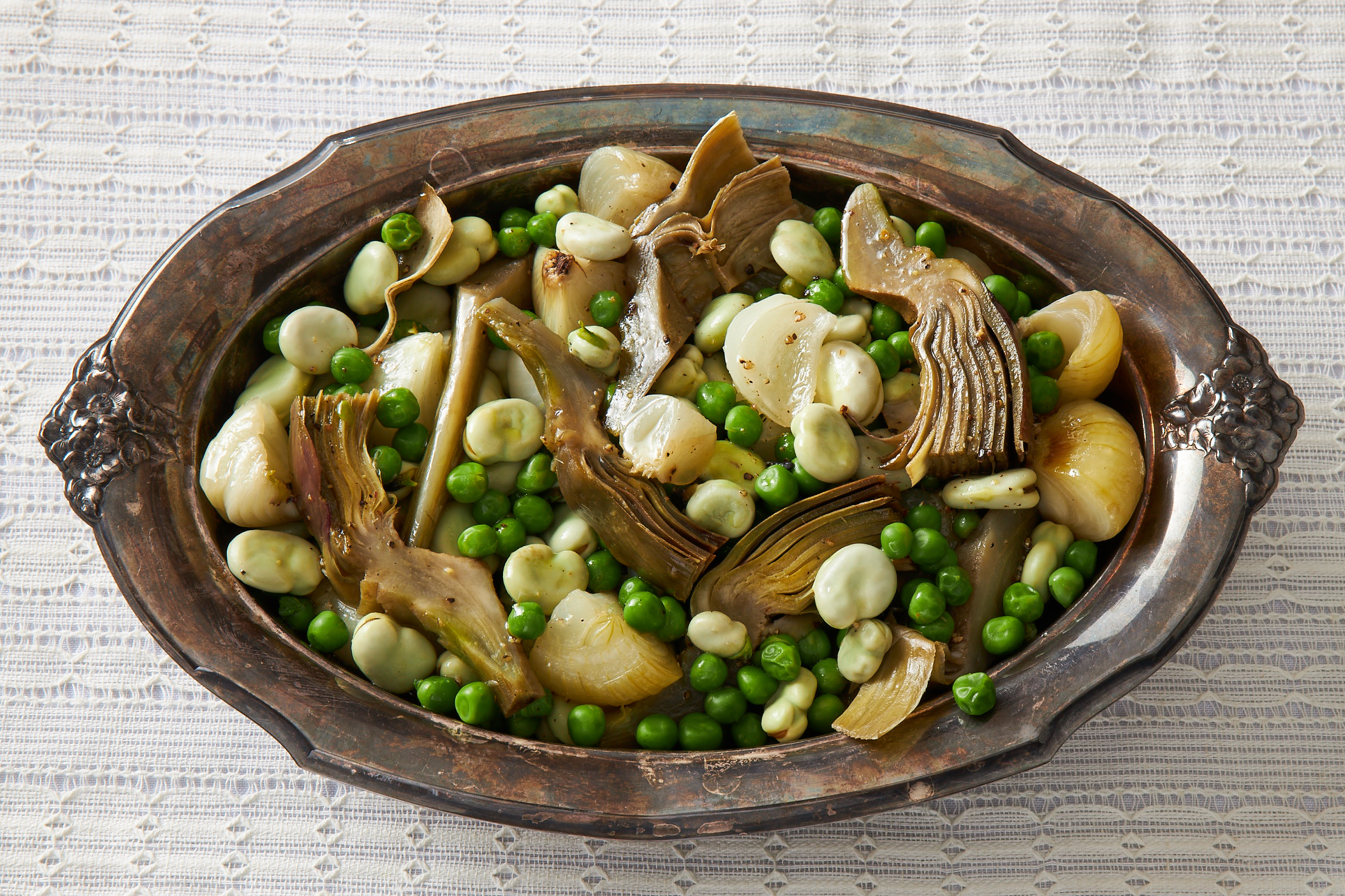
Inspired by the spring in Rome, this recipe makes the most of the fresh vegtables as prickly artichokes, and fresh fava beans and peas in their pods.
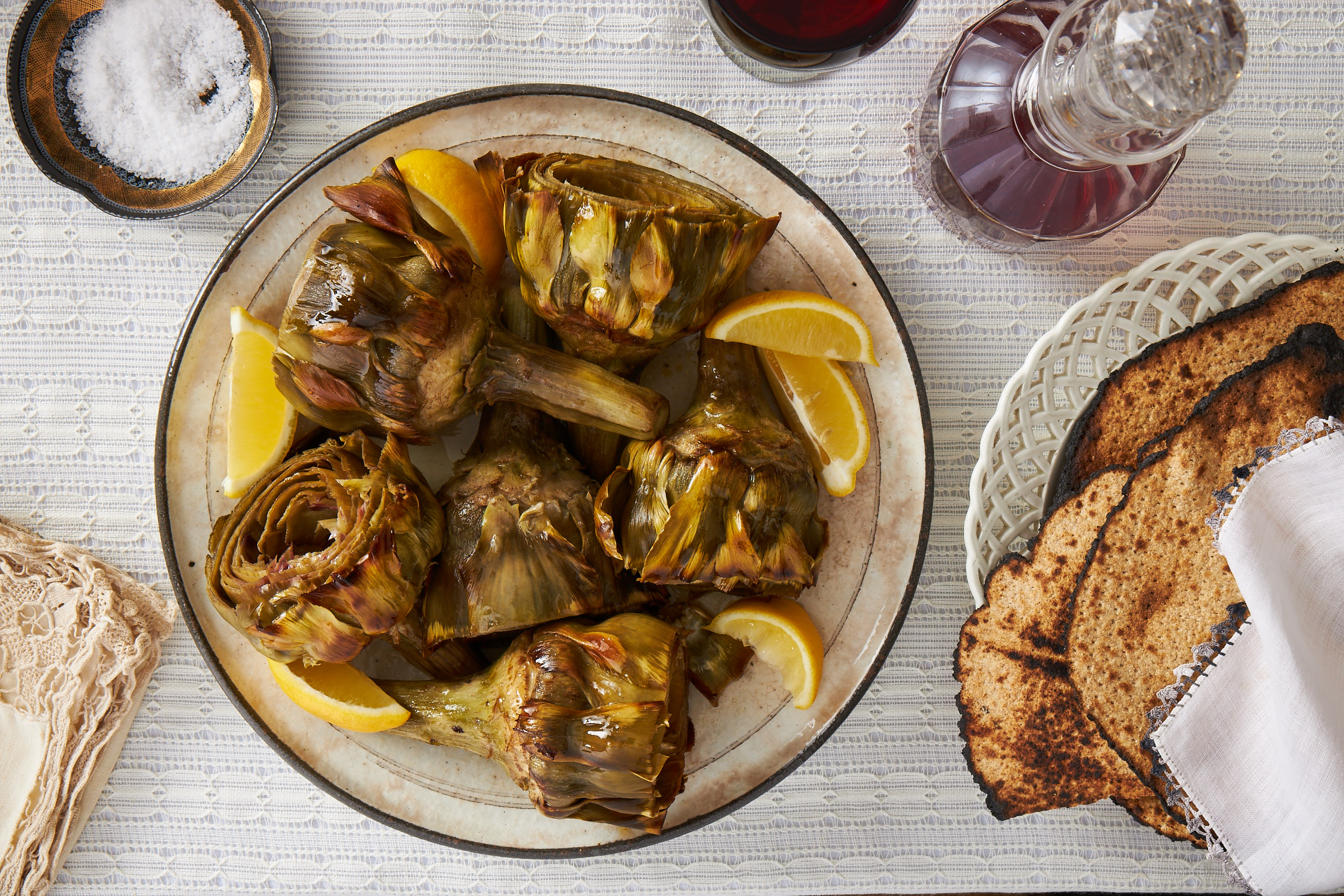
This roasted rendition for Passover comes from tour guide Micaela Pavoncello, whose family has lived in Rome since Julius Caesar’s time.
This Roman recipe for tender braised artichokes, called carciofi alla Romana in Italian, is from tour guide Micaela Pavoncello’s family
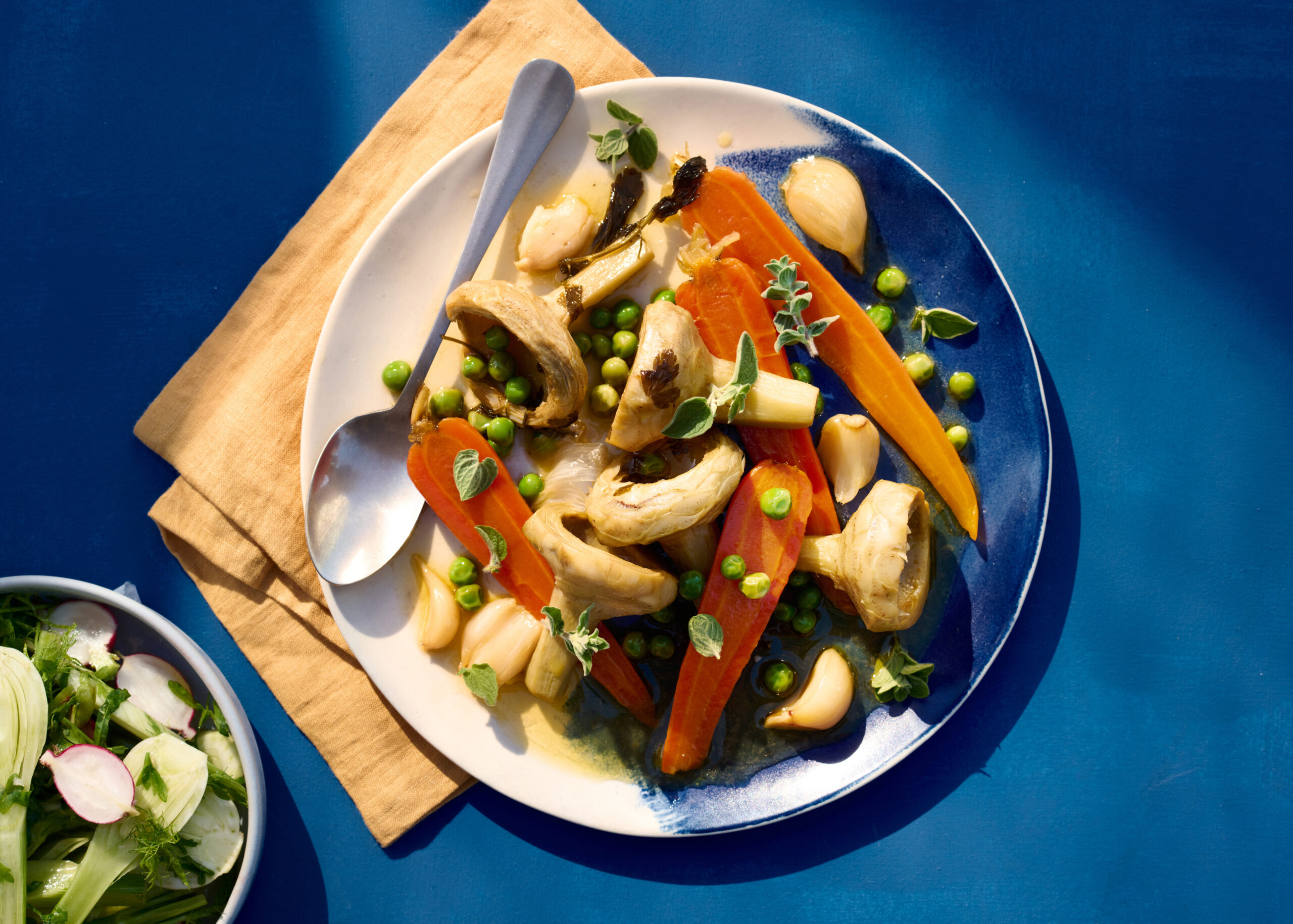
In this French preparation, called barigoule, artichokes along with small carrots and whole cloves of garlic are gently braised in white wine and lots of olive oil. At the very end, garden peas, are added for a pop of color and freshness
.
Romanian Eggplant Salad full of flavor, memories, and garlic.
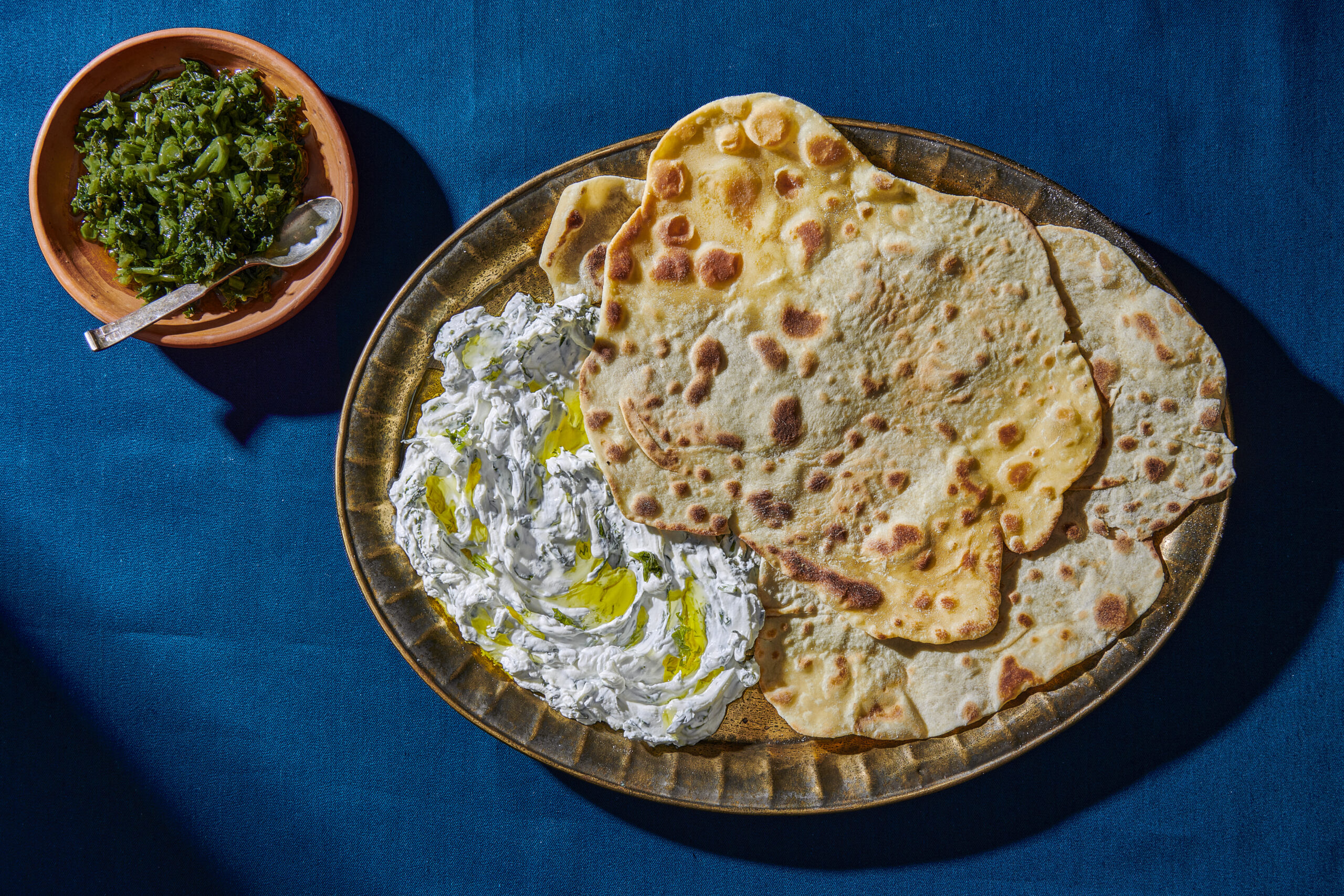
Skillet Laffa with Labneh and Wild Mustard Greens. Both preparation method are modern simplified versions of traditional, more complex recipes.
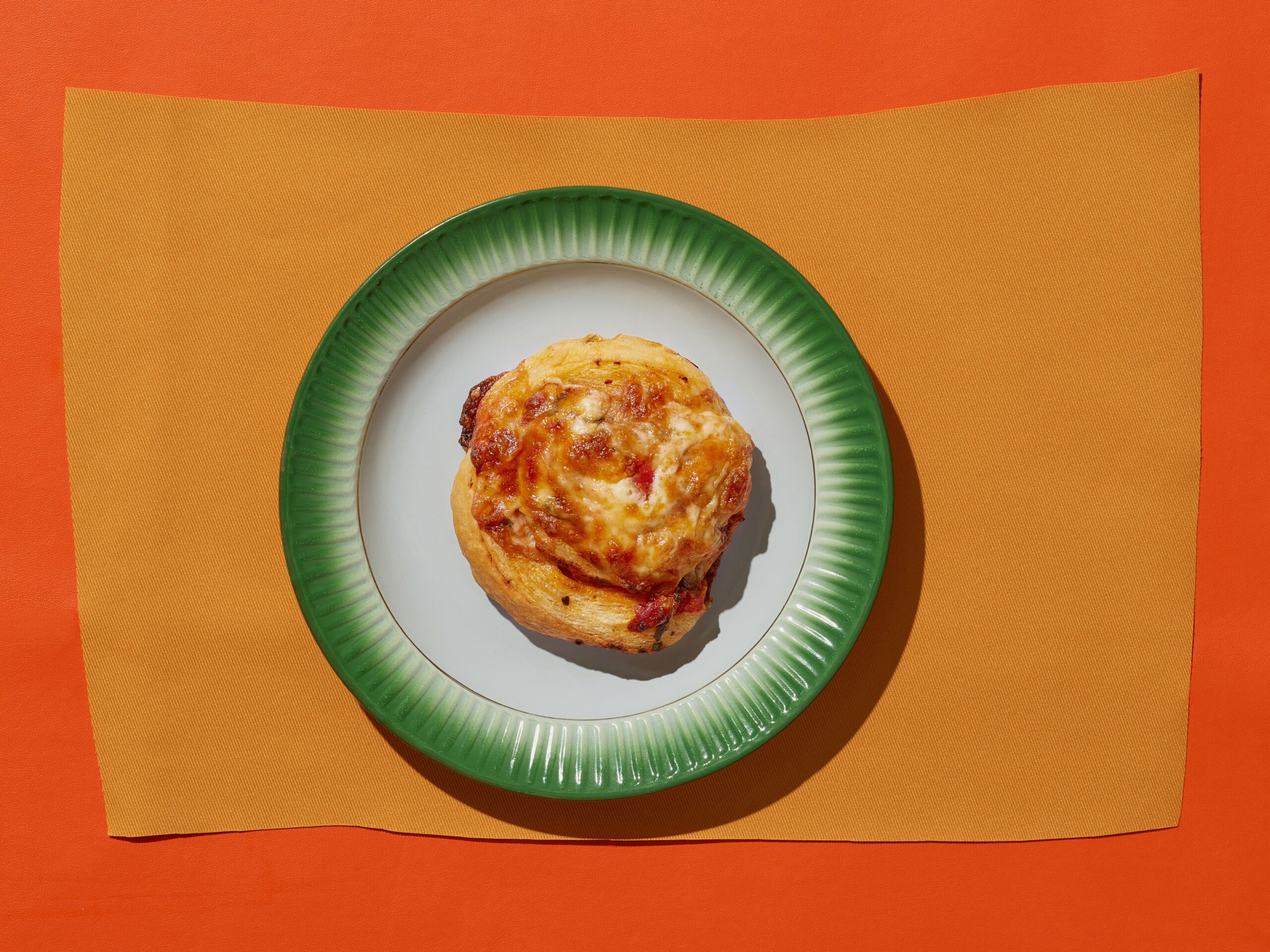
What is your favorite bourekas? Most Israeli children are likely to answer: pizza. The Turks would not necessarily approve of the Israeli pizza-flavored filling, but Israelis know what they like, and the pizza bourekas has become a local icon. As a hybrid created in the 1980s, it combines the best of everything — pizza tomato sauce, melting cheese, and sometimes green olives.
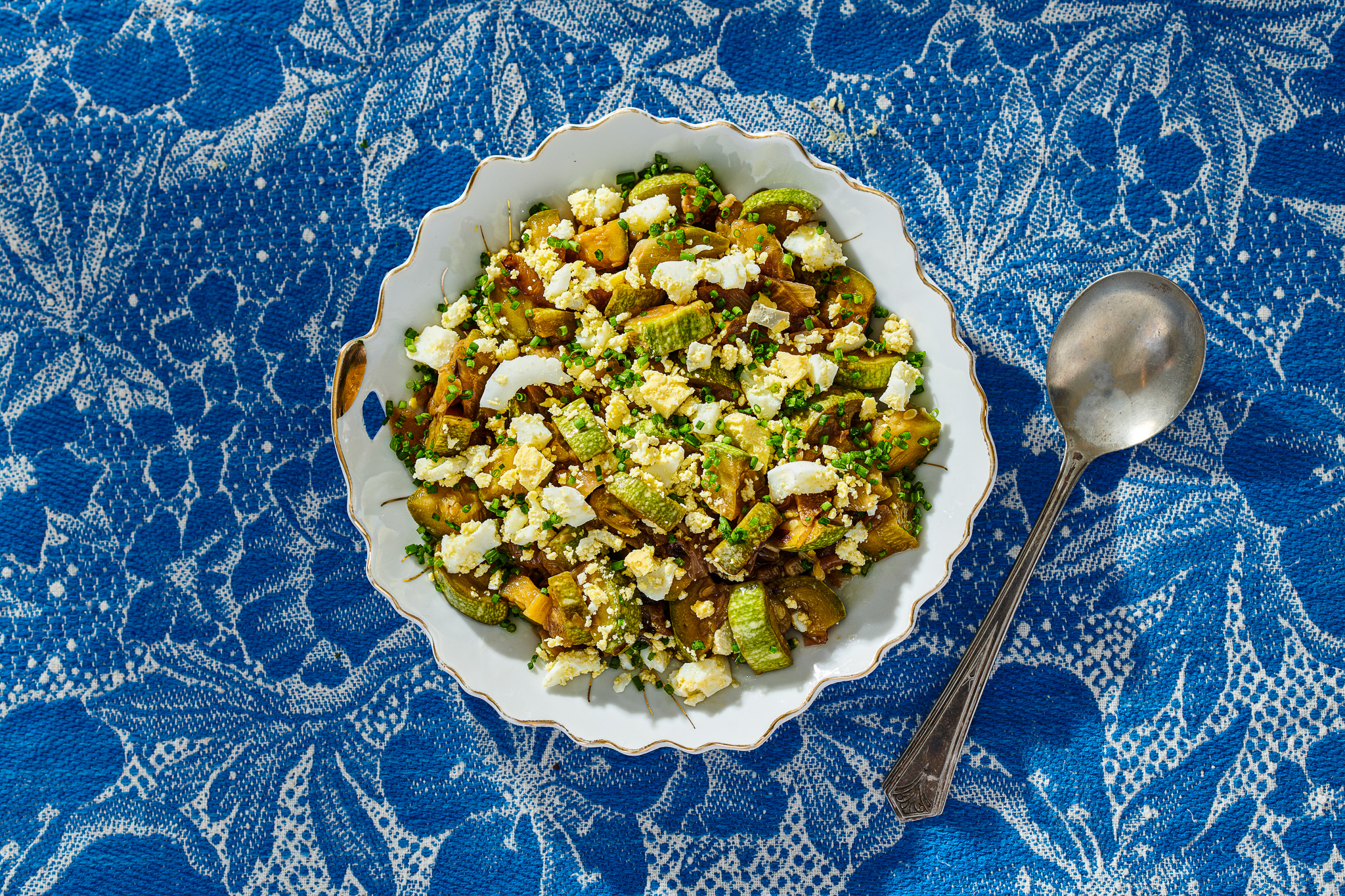
The following recipe is simple, quick and suitable for the summer, when kara and zucchini are in season.
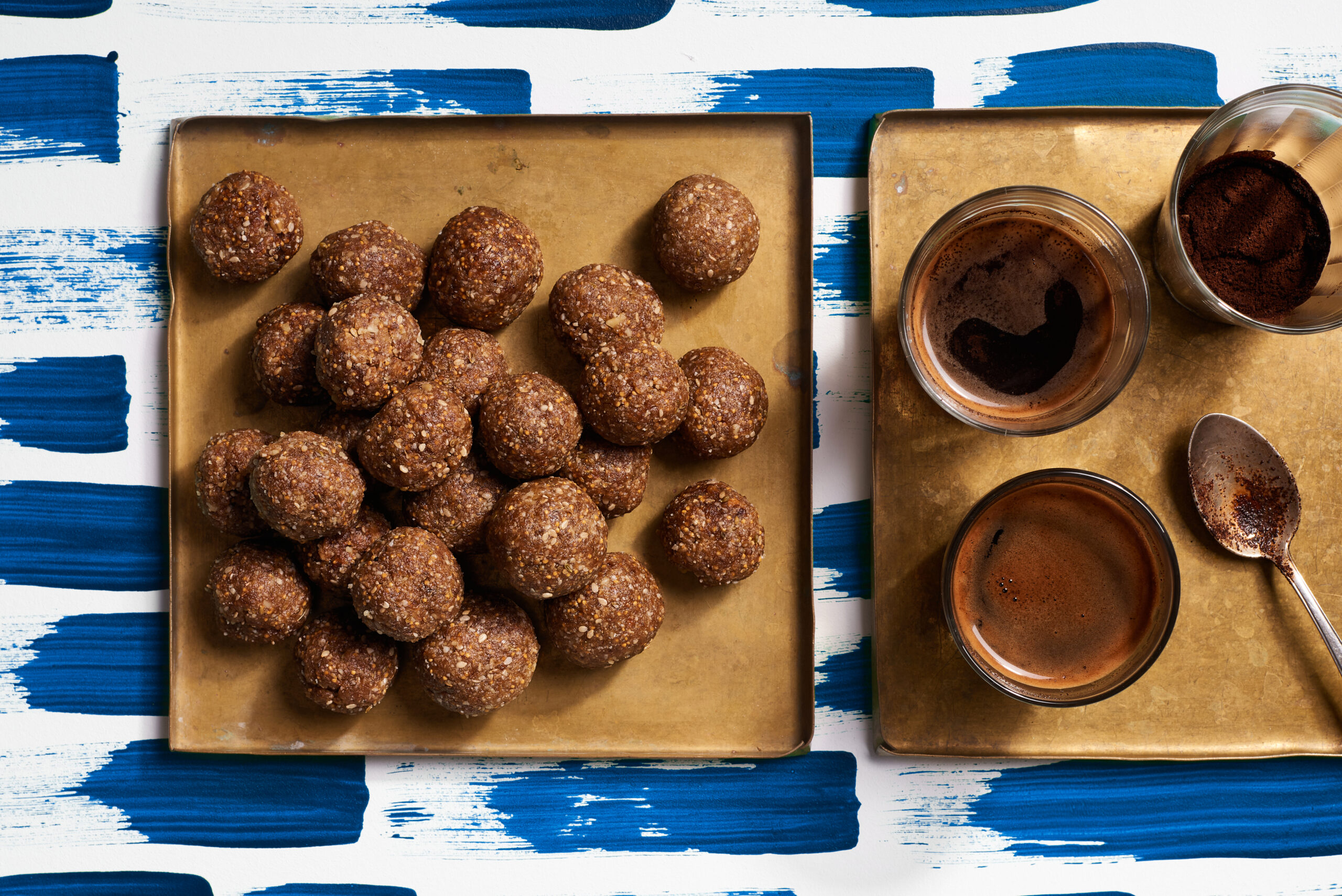
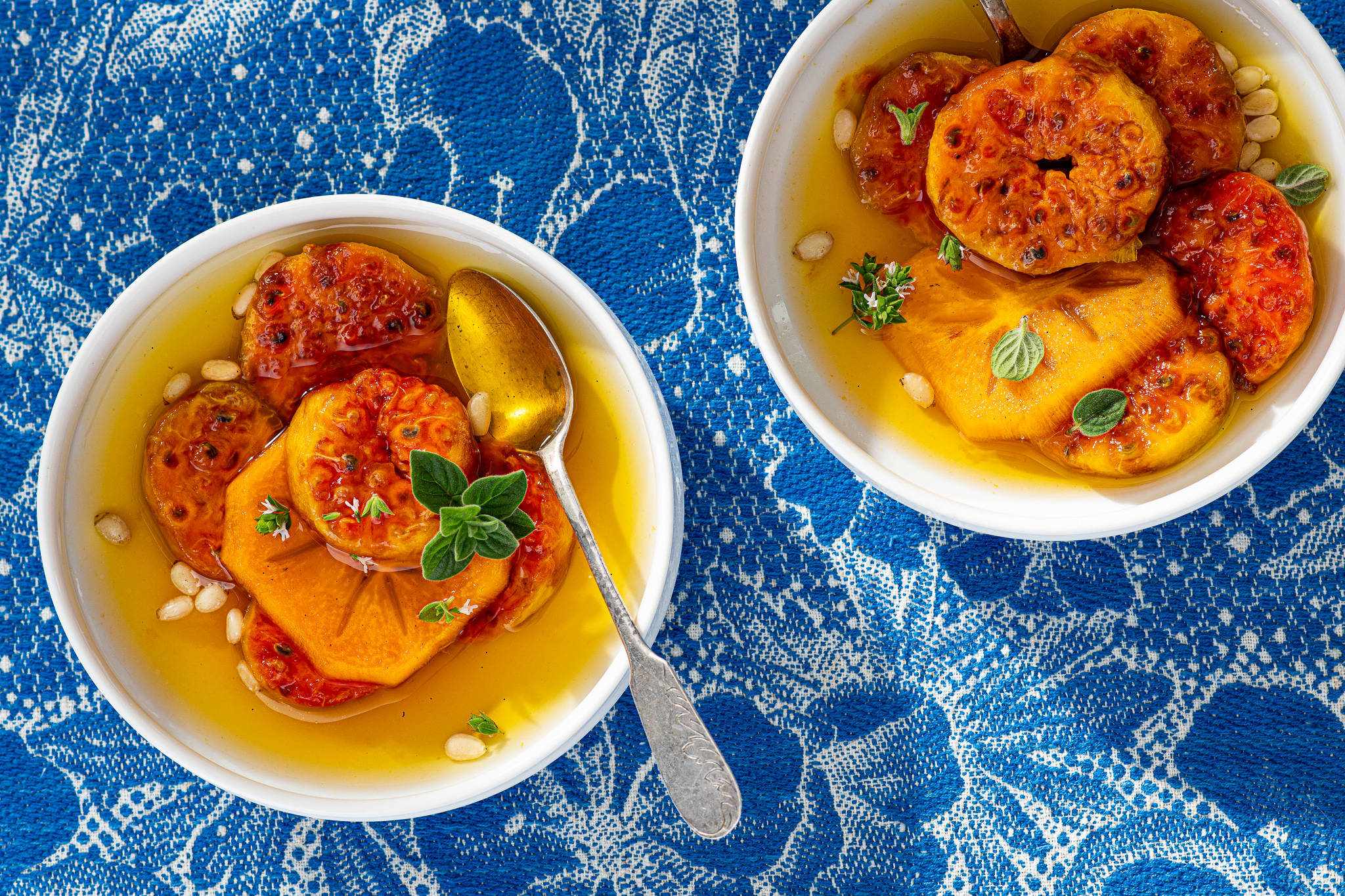
Ma’akud is a general term for preserving fruit by cooking it with sugar into a jam enriched with spices, nuts, and seeds.
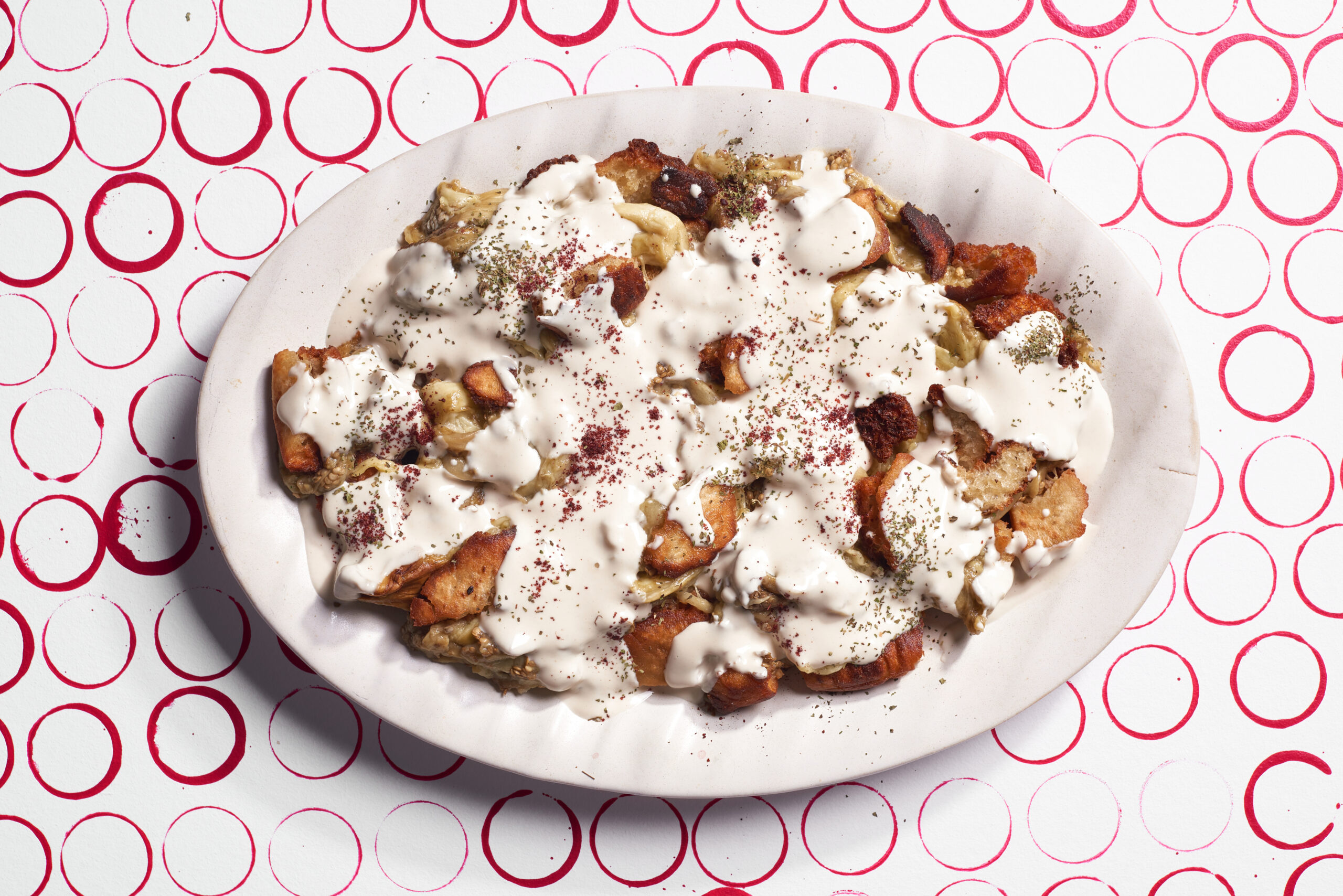
This following recipe comes from Suzanne Matar, a talented chef from I’billin, who makes her version of fatteh using Baladi eggplants.
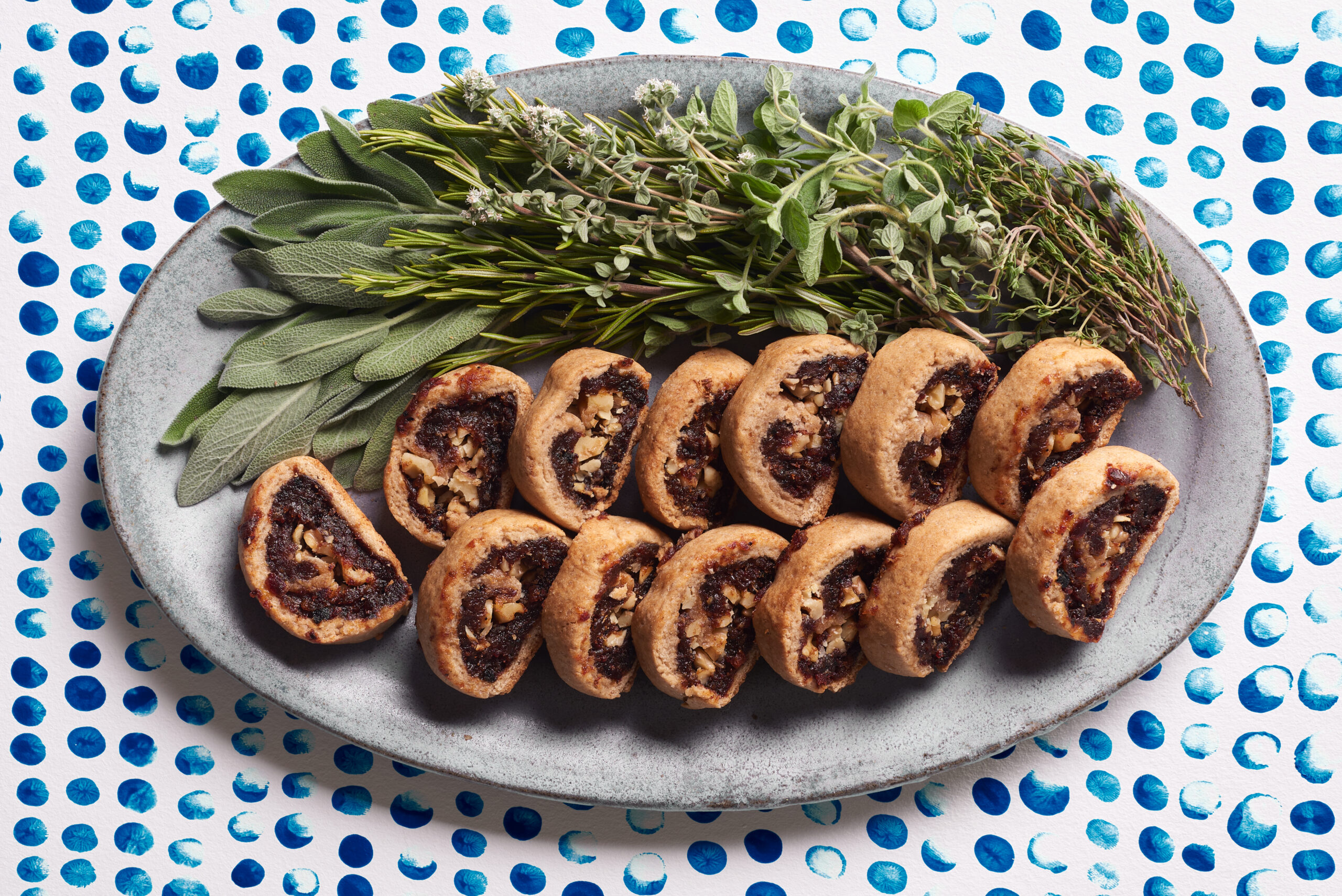
In this riff on the classic date roulade from Asif’s culinary director Chef Ayelet Latovitch, Barhi dates are smoked with herbs.
The following recipe calls for ‘Umm al Fahm’ or ‘Hassan’ almonds, a delicious, large local variety that is high in fat, but you can also use green almonds.
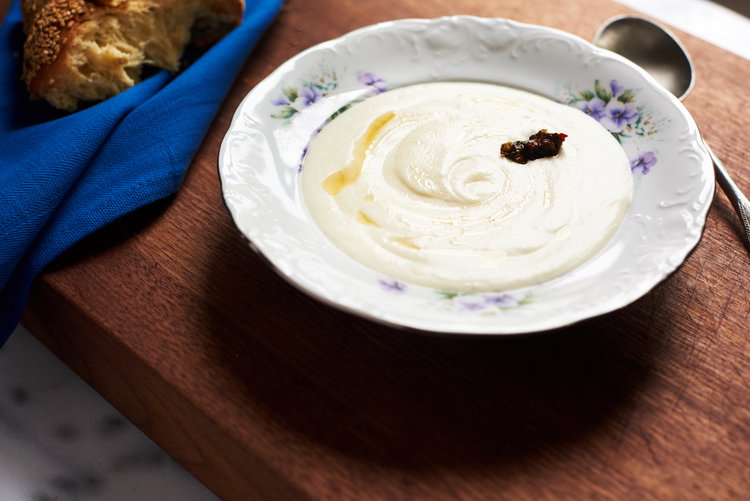
This Yemenite yogurt soup comes together quickly, making it an ideal recipe for a quick weeknight meal or to break the Yom Kippur fast.
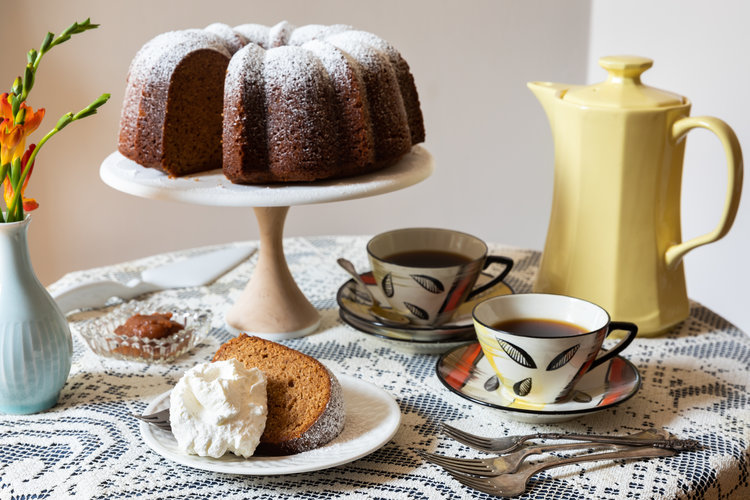
This honey cake from New York baker Zoe Kanan is best made a few days before the holiday. The extra time allows the flavors to come together.
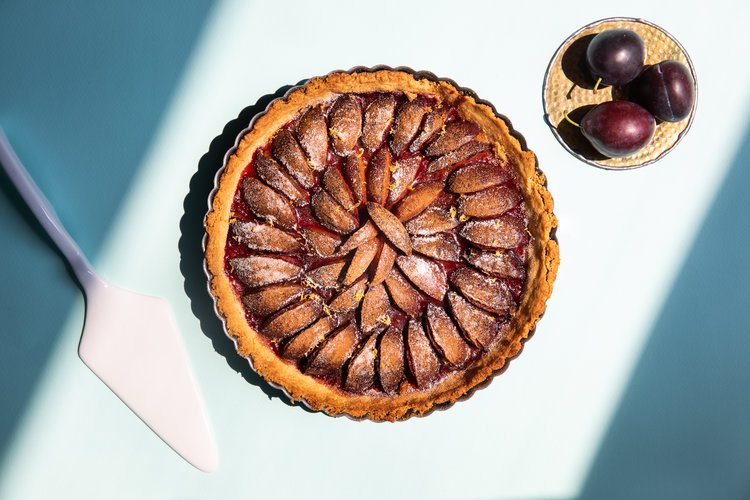
This plum tart recipe from award-winning cookbook author Joan Nathan makes the most of the short period when Italian plums are in season.
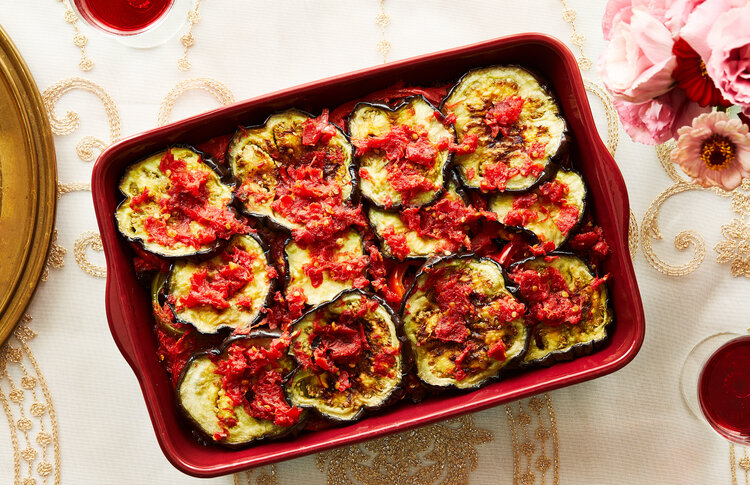
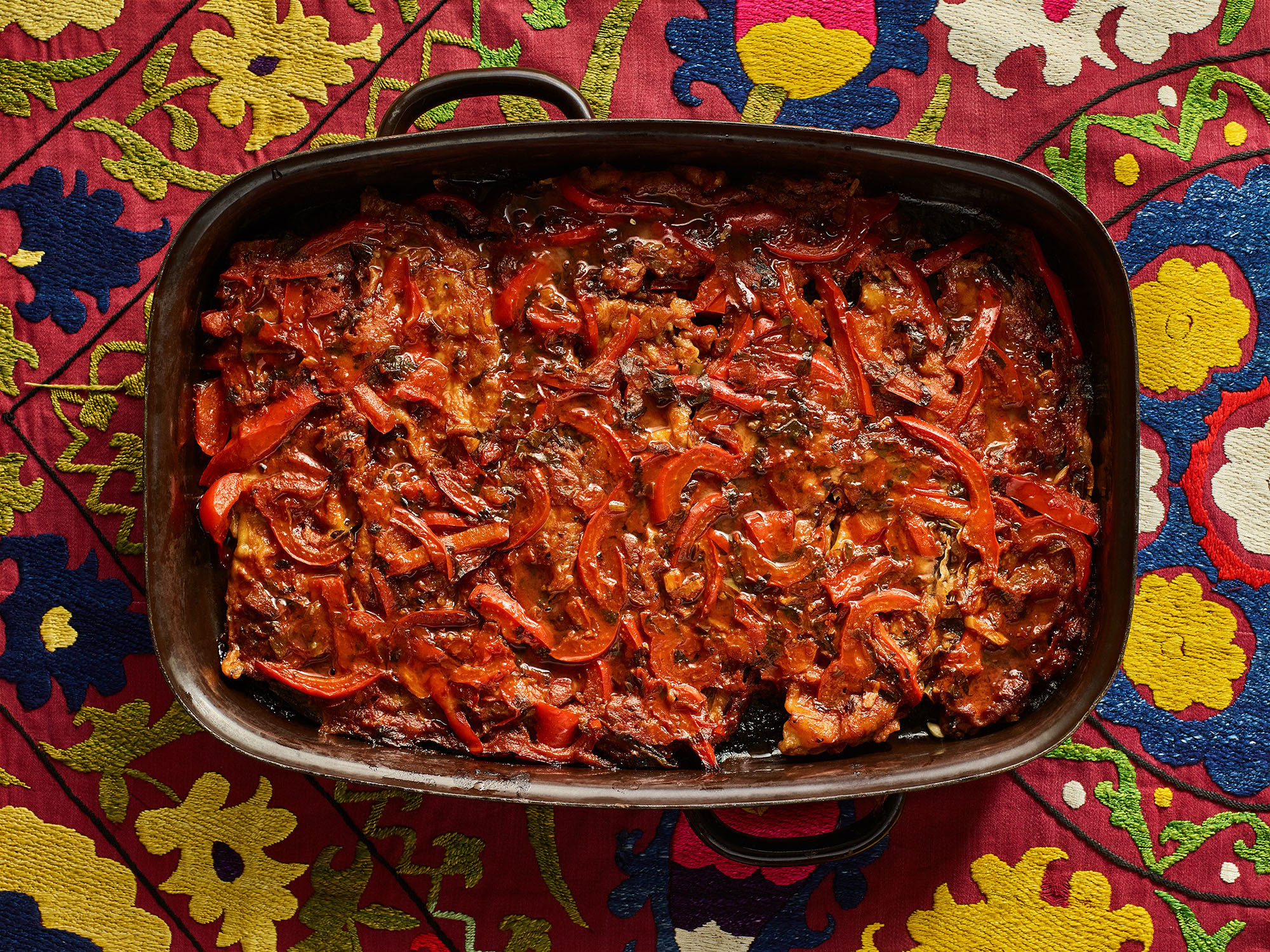
This layered dish of roasted eggplant, tomato, and beef comes from a Iraqi-Jewish cook Annabel Rabiya.
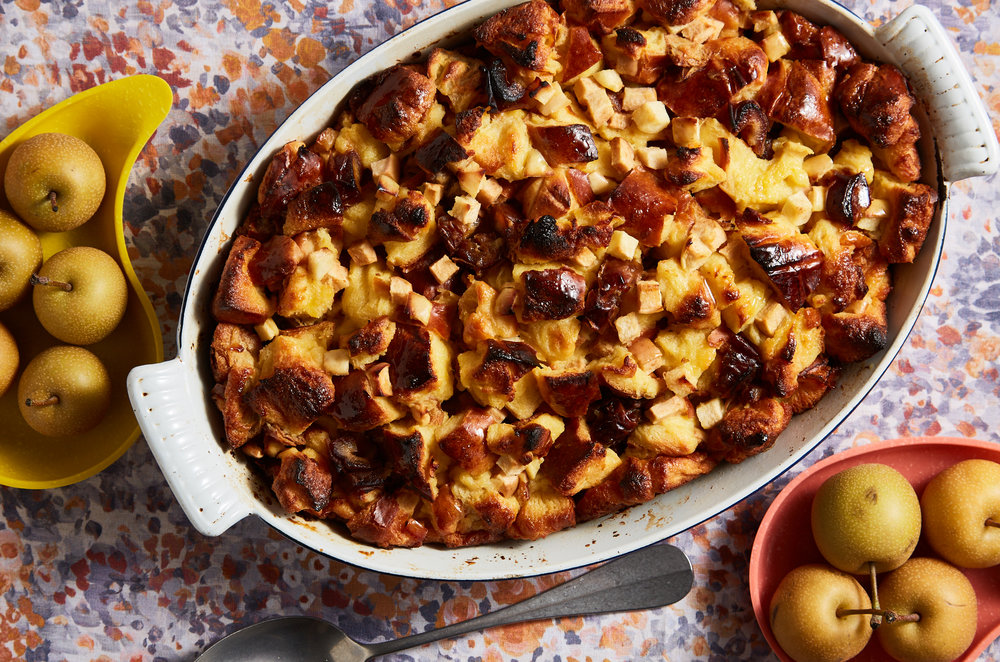
This bread pudding from chef Einat Admony brings together two classic Rosh Hashanah flavors, apples and dates, in one dessert.
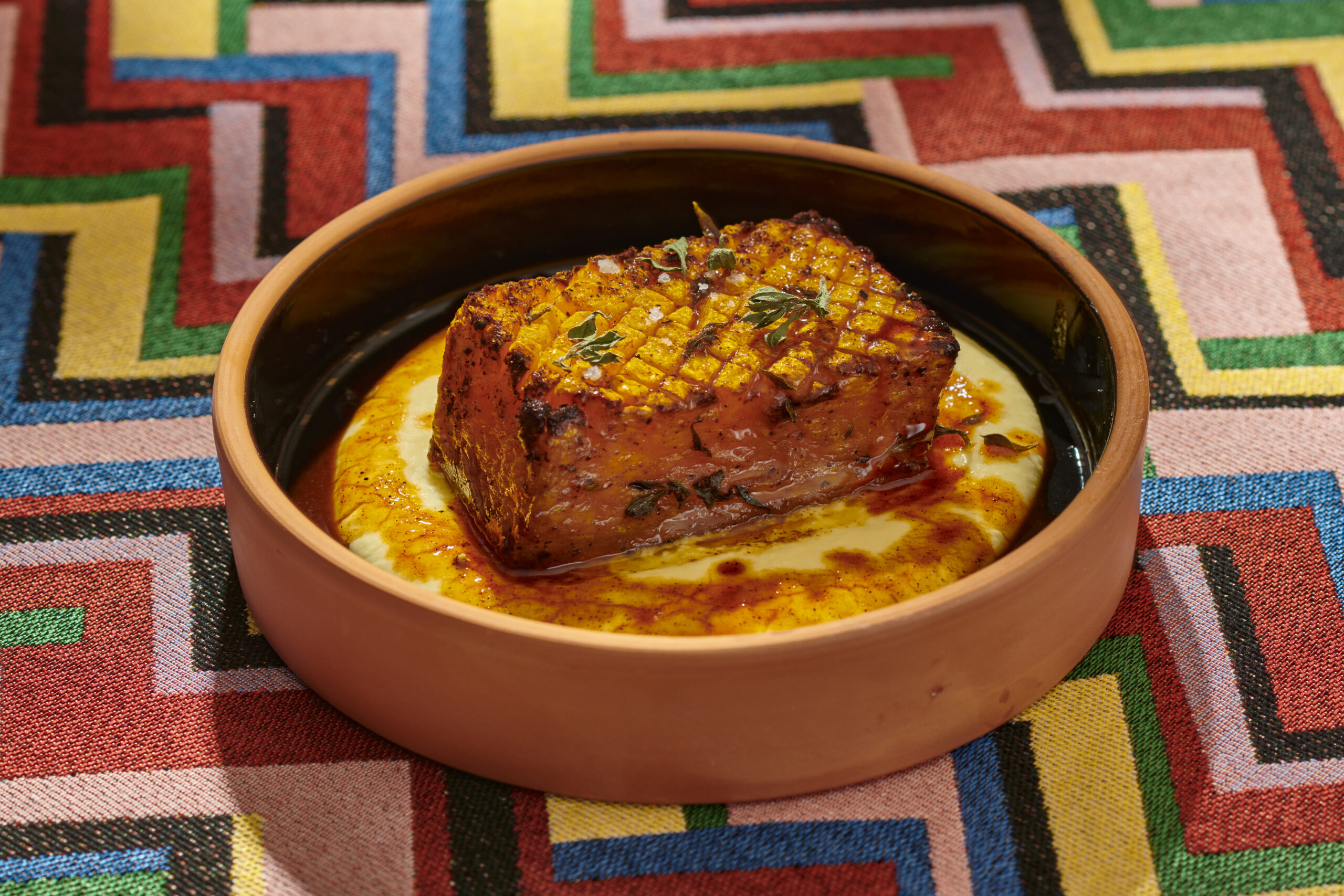
This recipe for pumpkin steak atop yellow split peas, from chef Elazar Tamano, is a contemporary play on two Ethiopian classics.
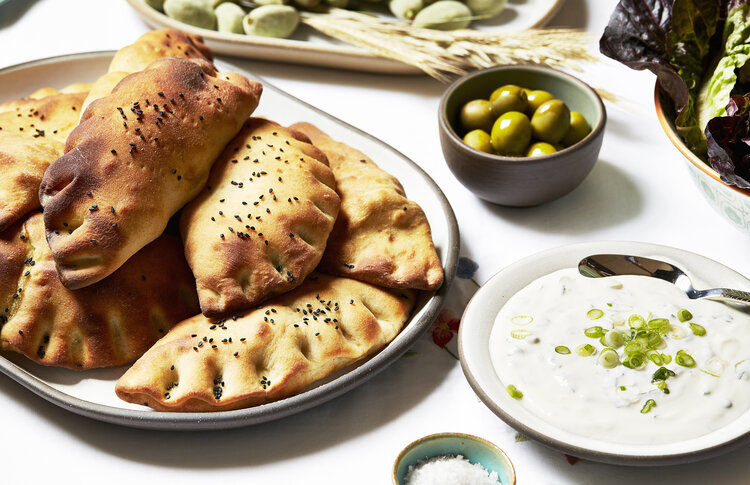
Alon Hadar’s recipe for a stuffed bread filled with cheese that honors the tradition of eating dairy-laden dishes on Shavuot. The kadeh “was the queen on the table,” says Alon, served alongside a rich yogurt sauce called zijik that’s made with fresh purslane. This recipe, which adds spinach to the filling, is Alon’s riff on the kadeh his grandmother made.
Ziona Cohen’s recipe for bourekas stuffed with feta, rich yogurt, and potatoes for Shabbat.
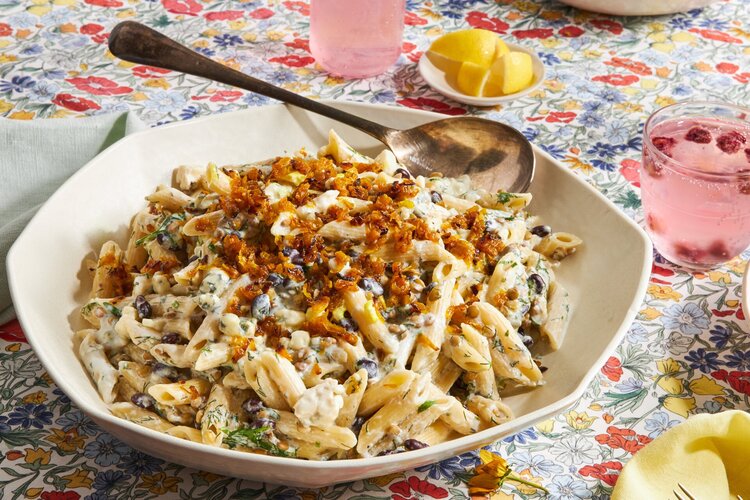
Pasta with lentils and beans, loaded with fresh cilantro and dill, and tossed with goat’s milk yogurt. Toped off with kashk, a fermented and dried yogurt that’s formed into a ball and grated like parmesan, which sourced from Tehran or Arab grocers in Israel.
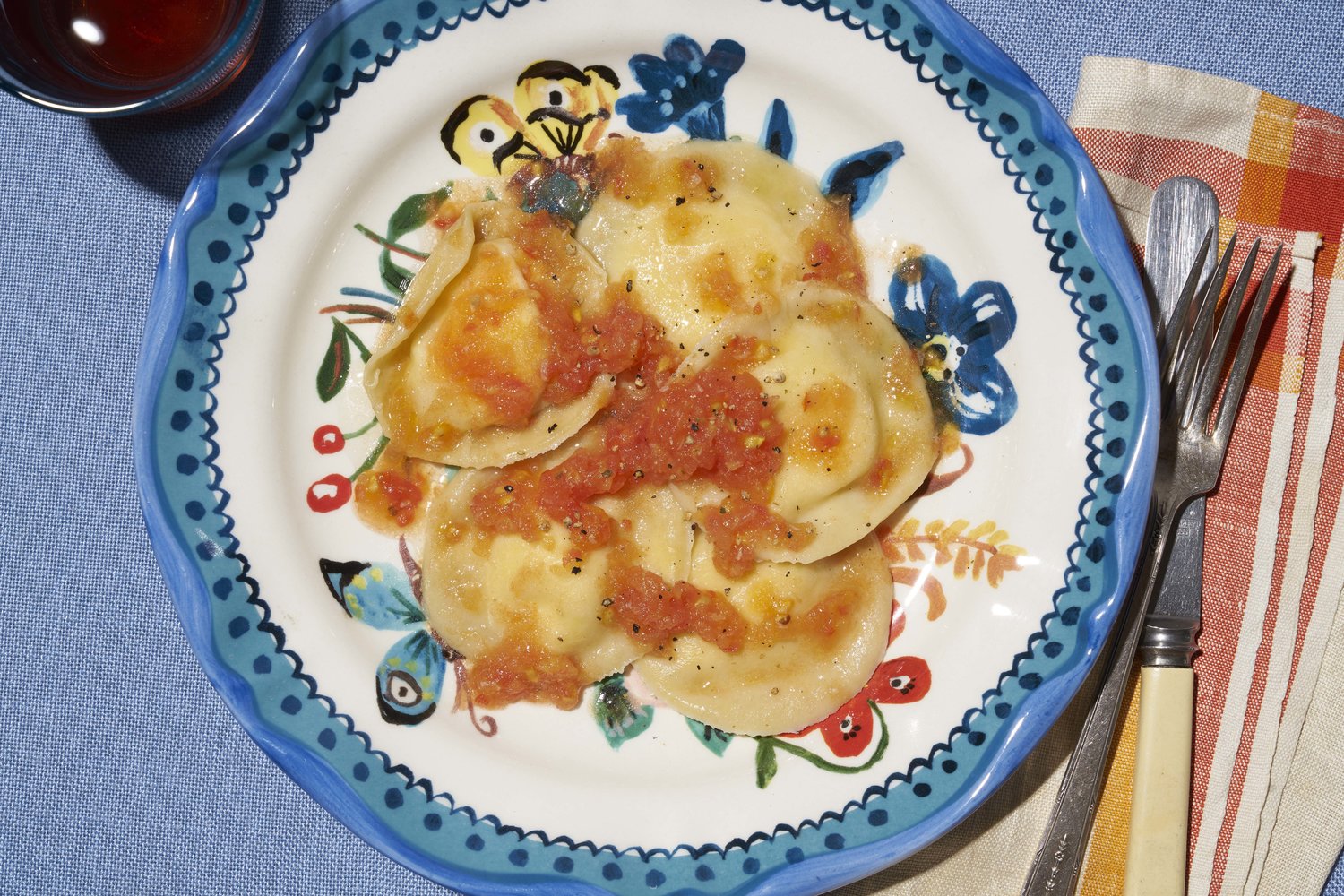
In the spring, tables in Safed and Tiberias are set with calsones — pronounced caltzones — ravioli-like pockets stuffed with locally-made sheep’s milk cheese called tzfatit.
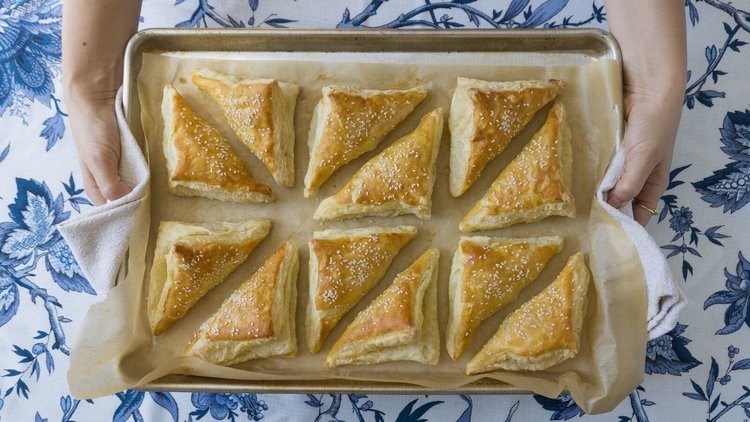
The pastry is a welcome addition to weekend brunch spreads and Shavuot tables alike.
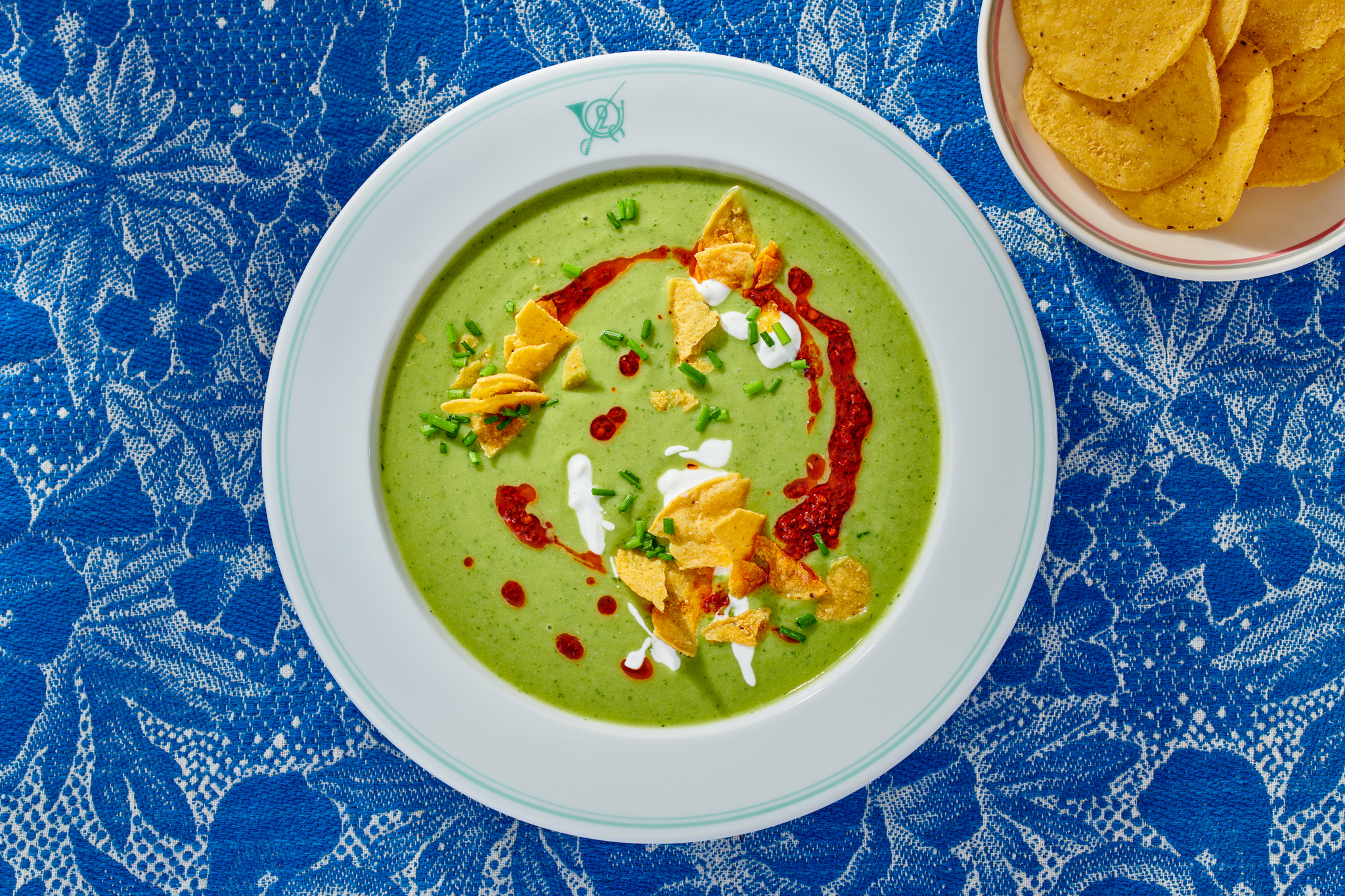
Chilled fruit soups originate in Eastern Europe and they were especially popular in Israel during the austerity era. This is a modern take.
Chilled fruit soups originate in Eastern Europe and they were especially popular in Israel during the austerity era. This is a modern take.
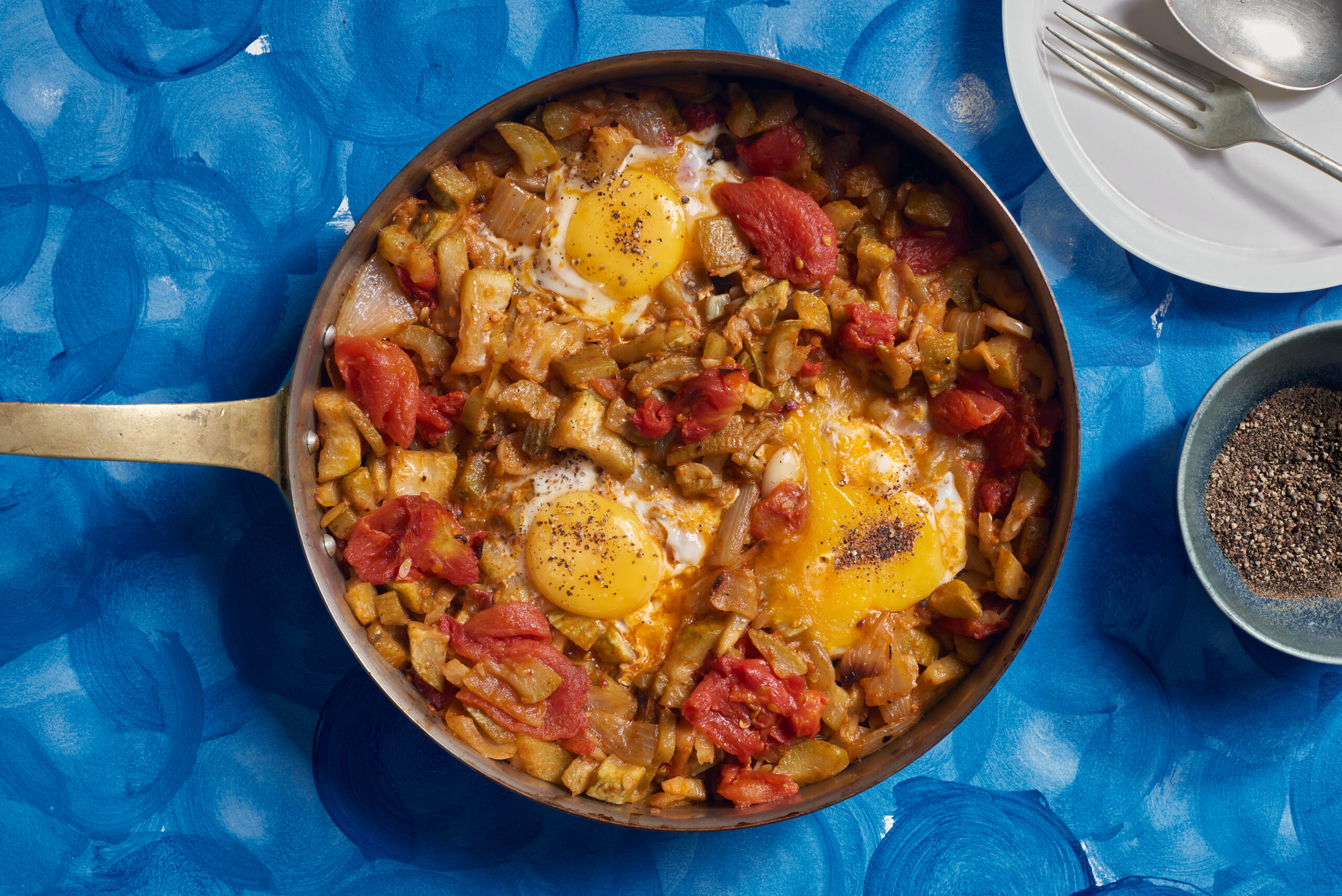
Like many other recipes from 1950s Israel, this one uses vegetables and eggs to stand in for meat that wasn’t readily available.
These fritters are inspired by a recipe from the early 1960s book “The Folklore Cookbook – Delicacies for the Israeli Holidays.”
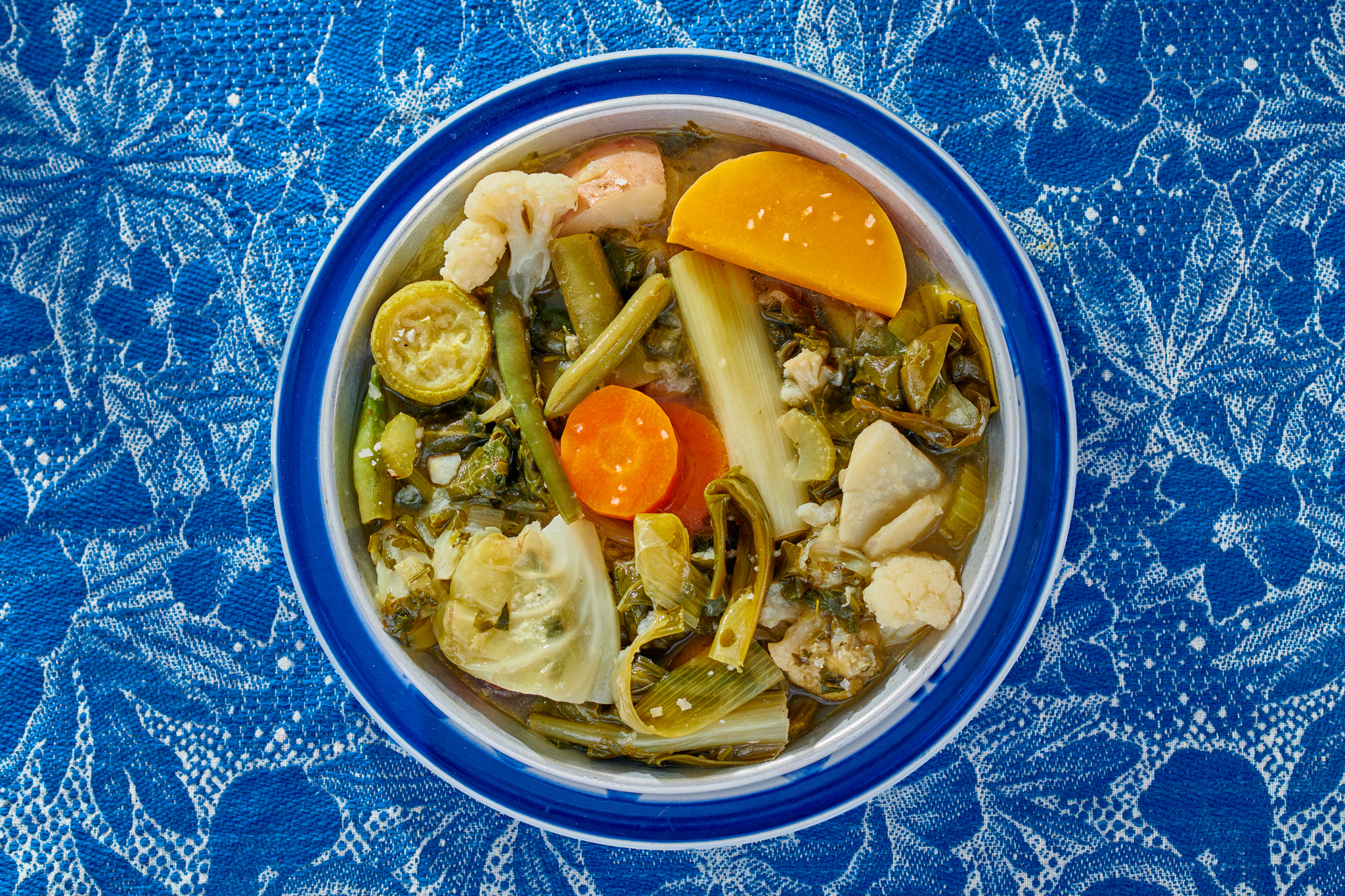
This seasonal vegetable stew is infinitely adaptable and also fitting for Passover when spring vegetables are just arriving in the markets.
This is a classic example of a meat-focused dish that was adapted to be vegetarian during the Tzena era, a time of austerity in early Israel.
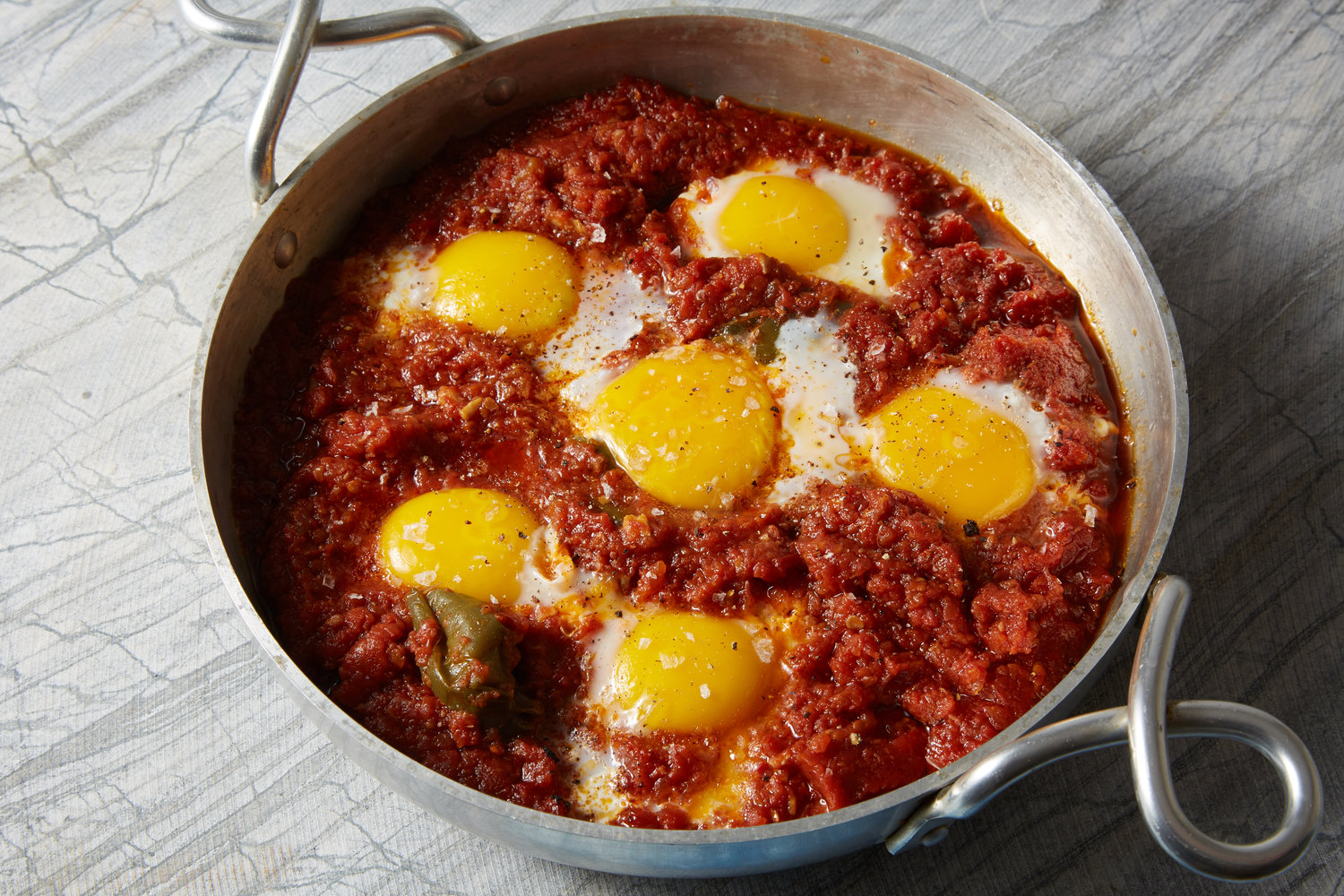
When Nitza Kardish’s family moved to Israel in 1949, her mother started to rely heavily on eggs, using them in dishes like this Libyan shakshuka.
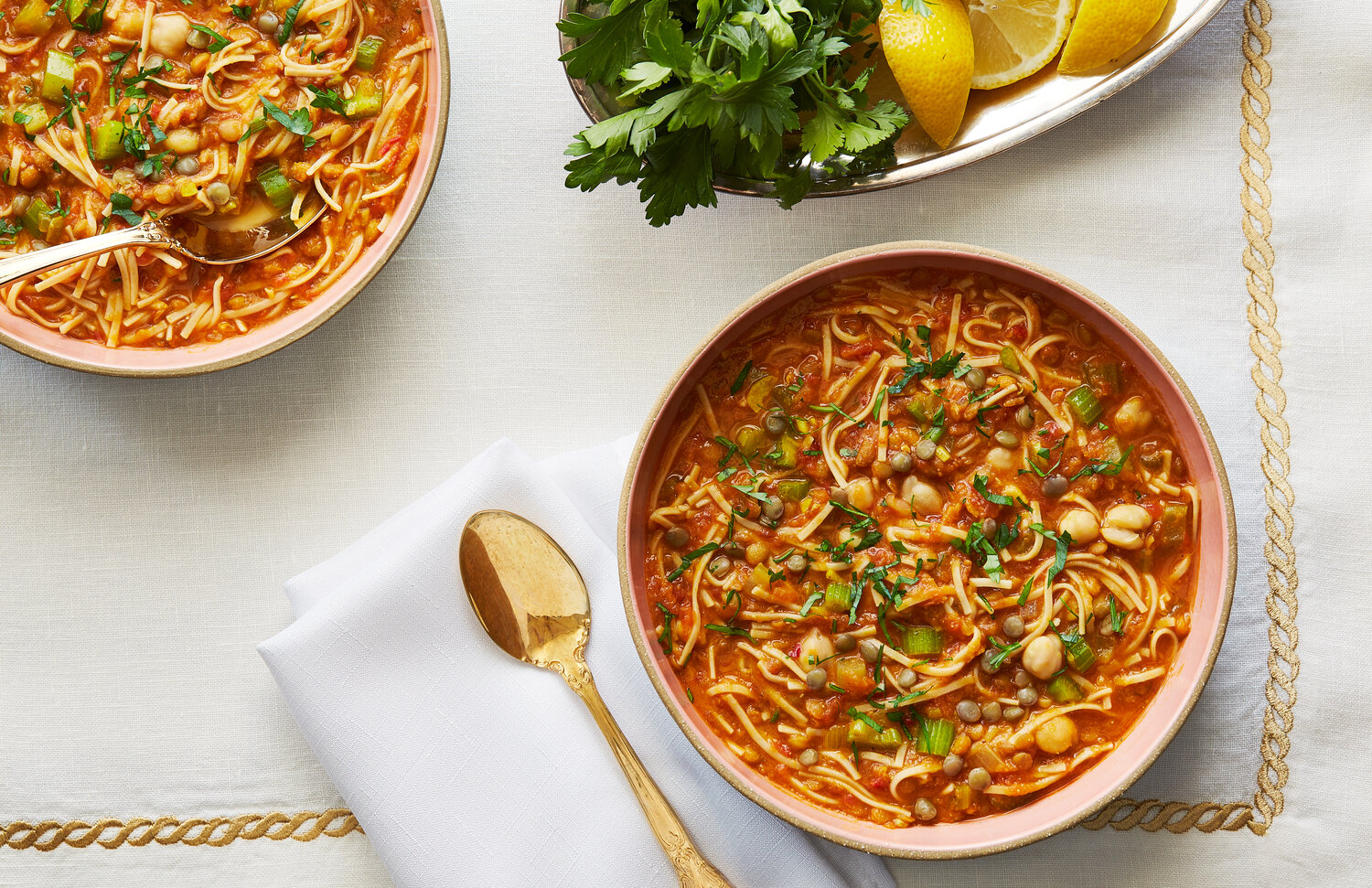
Baker Rinat Tzadok’s family makes this Moroccan soup loaded with chickpeas, lentils, and tomatoes to break the Yom Kippur fast.
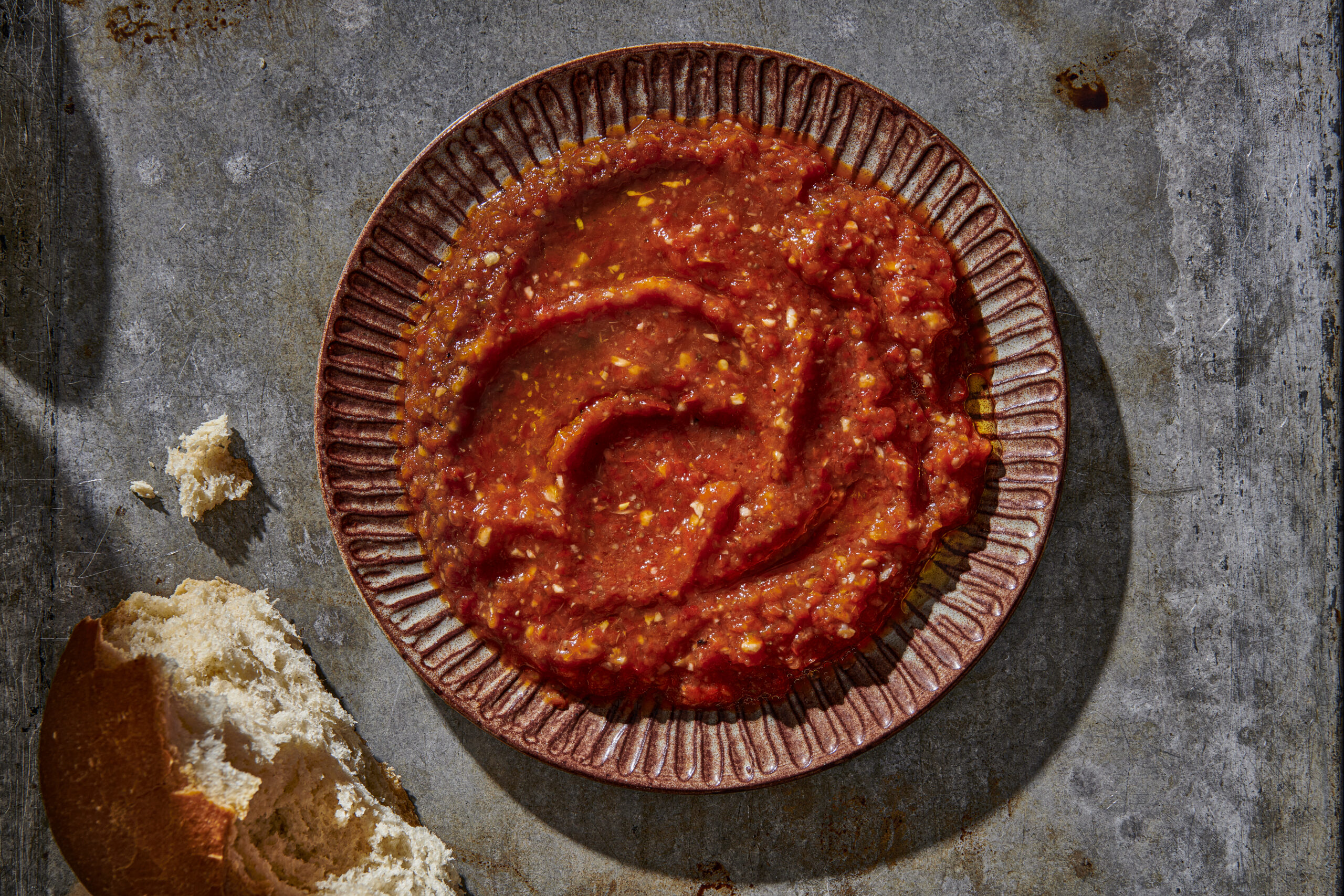
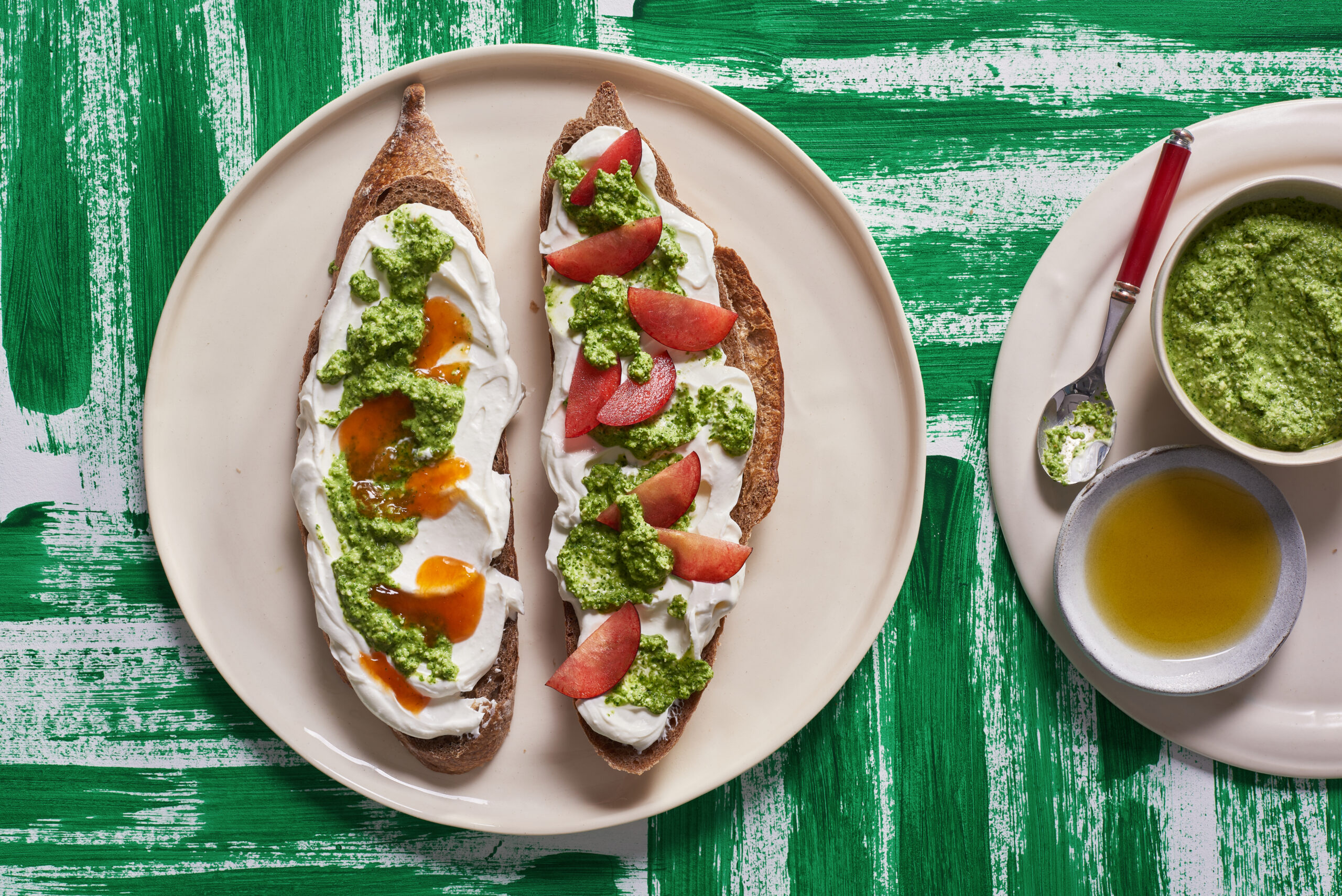
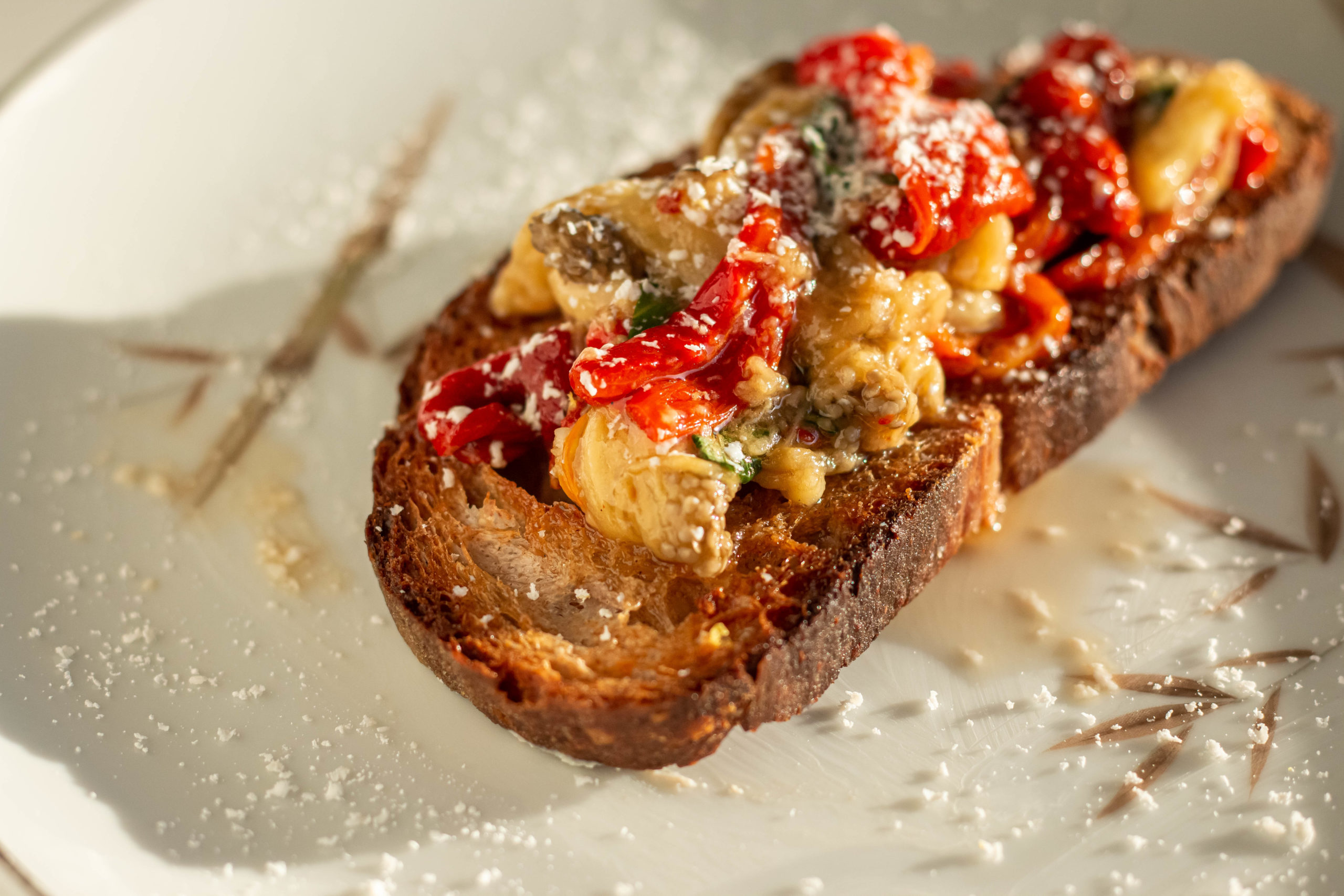
This zaalouk bruschetta is a fresh and modern take on the traditional Moroccan salad chef Nir Mesika’s mother Yaffa used to make him.
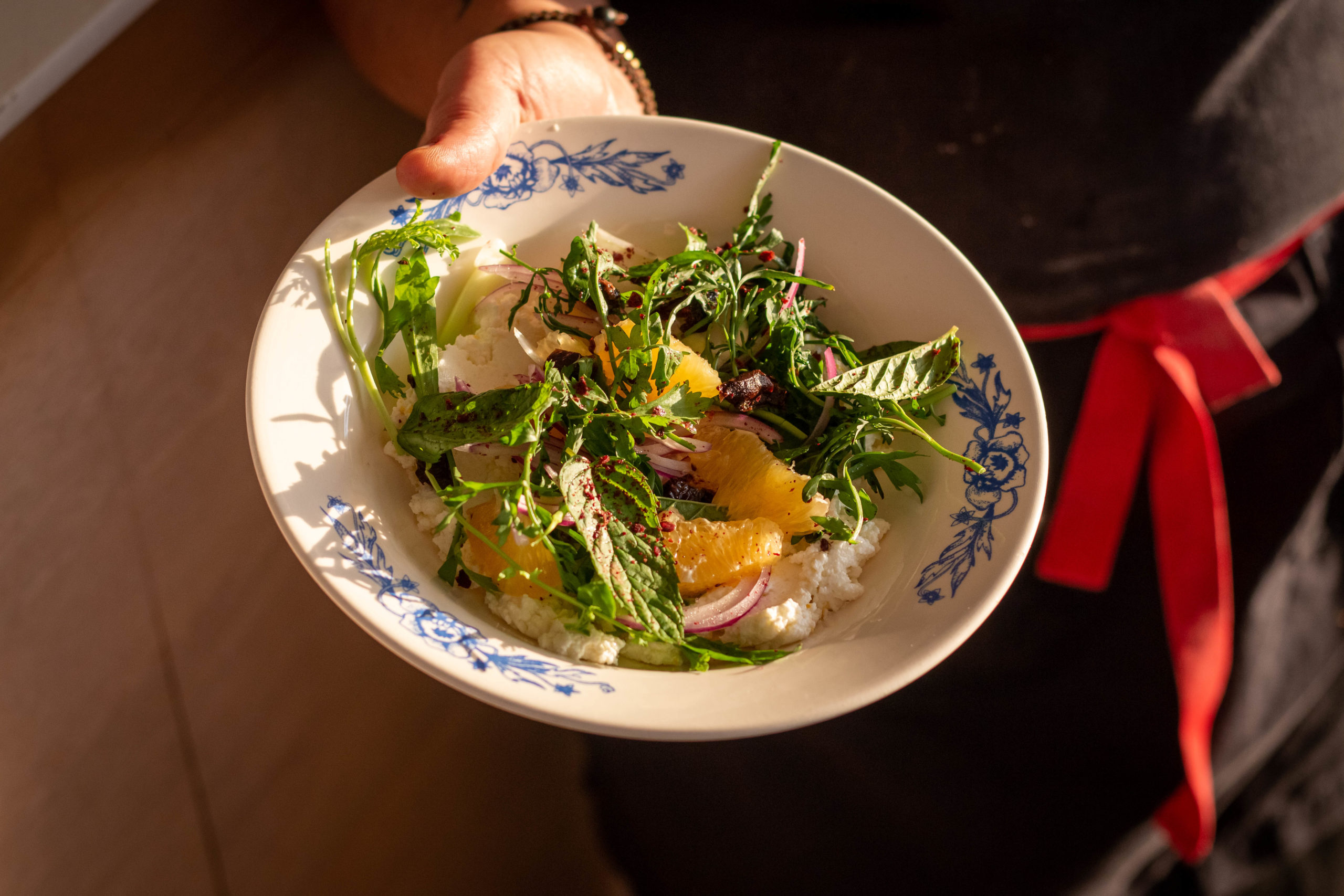
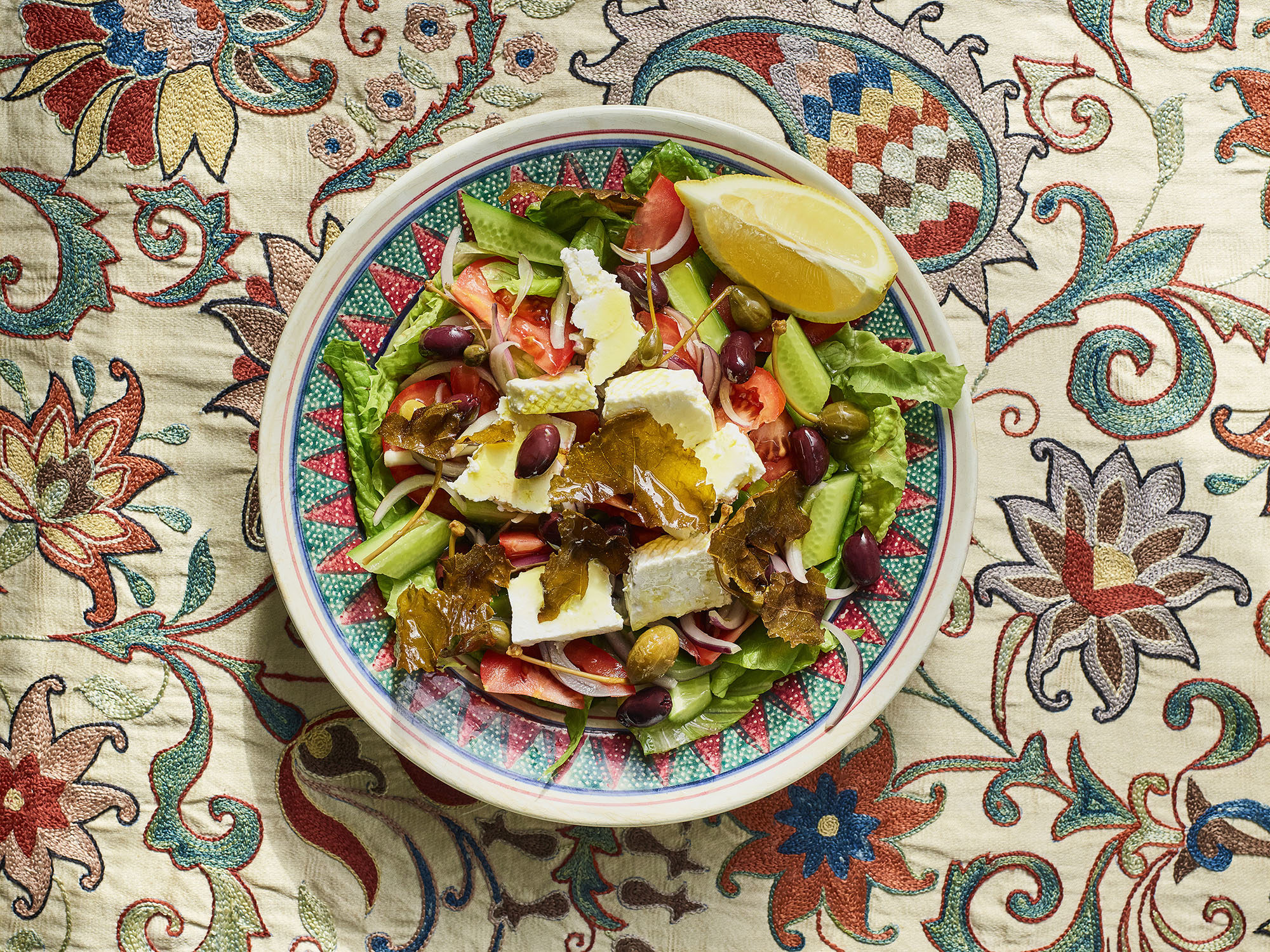
This elevated bishbash salad is a colorful dish for winter that celebrates the season’s finest: cured olives, oranges, greens, and sumac.
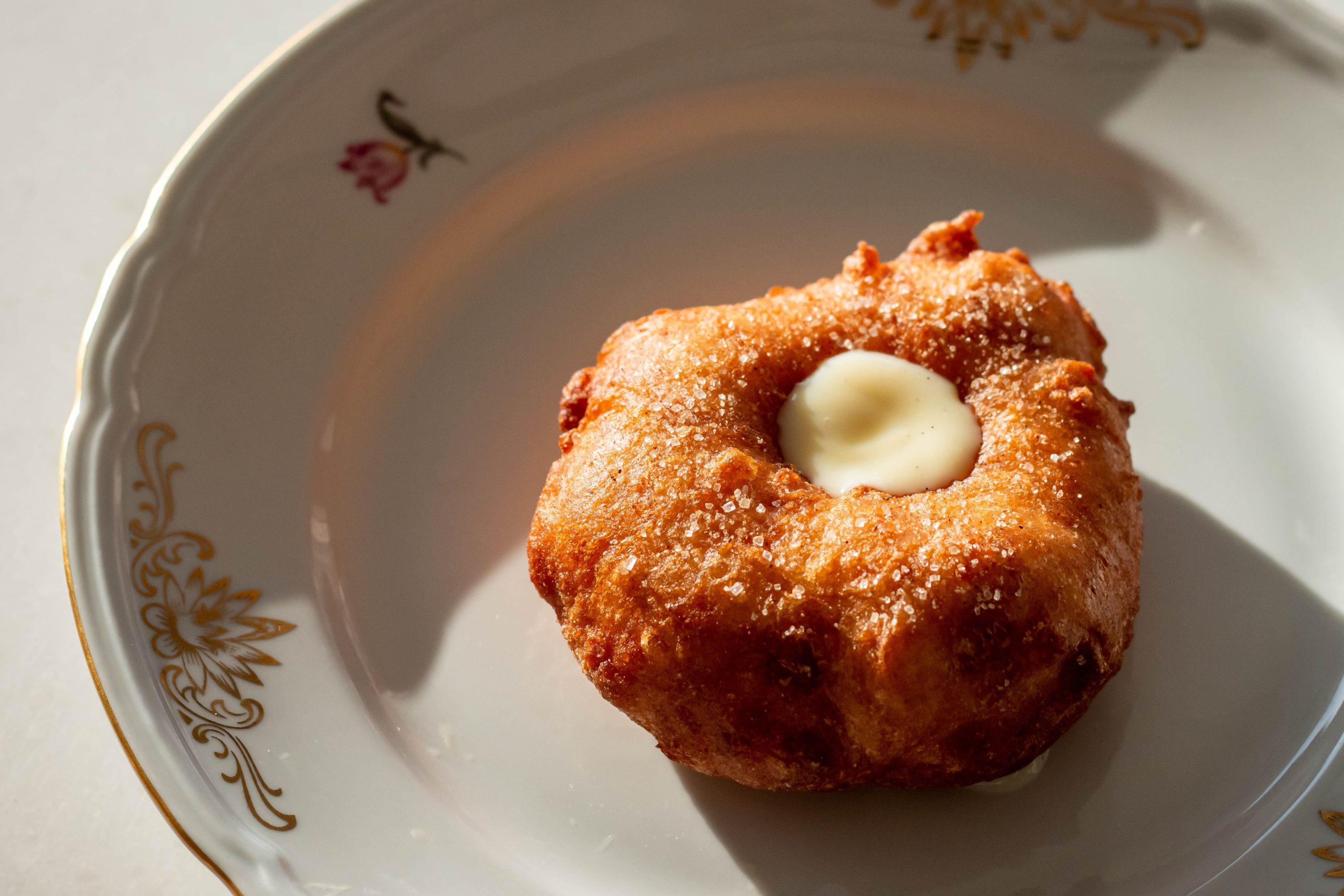
Nir Messika pairs these sfinj with pastry cream flavored with rosewater, making these Moroccan doughnuts even more festive.
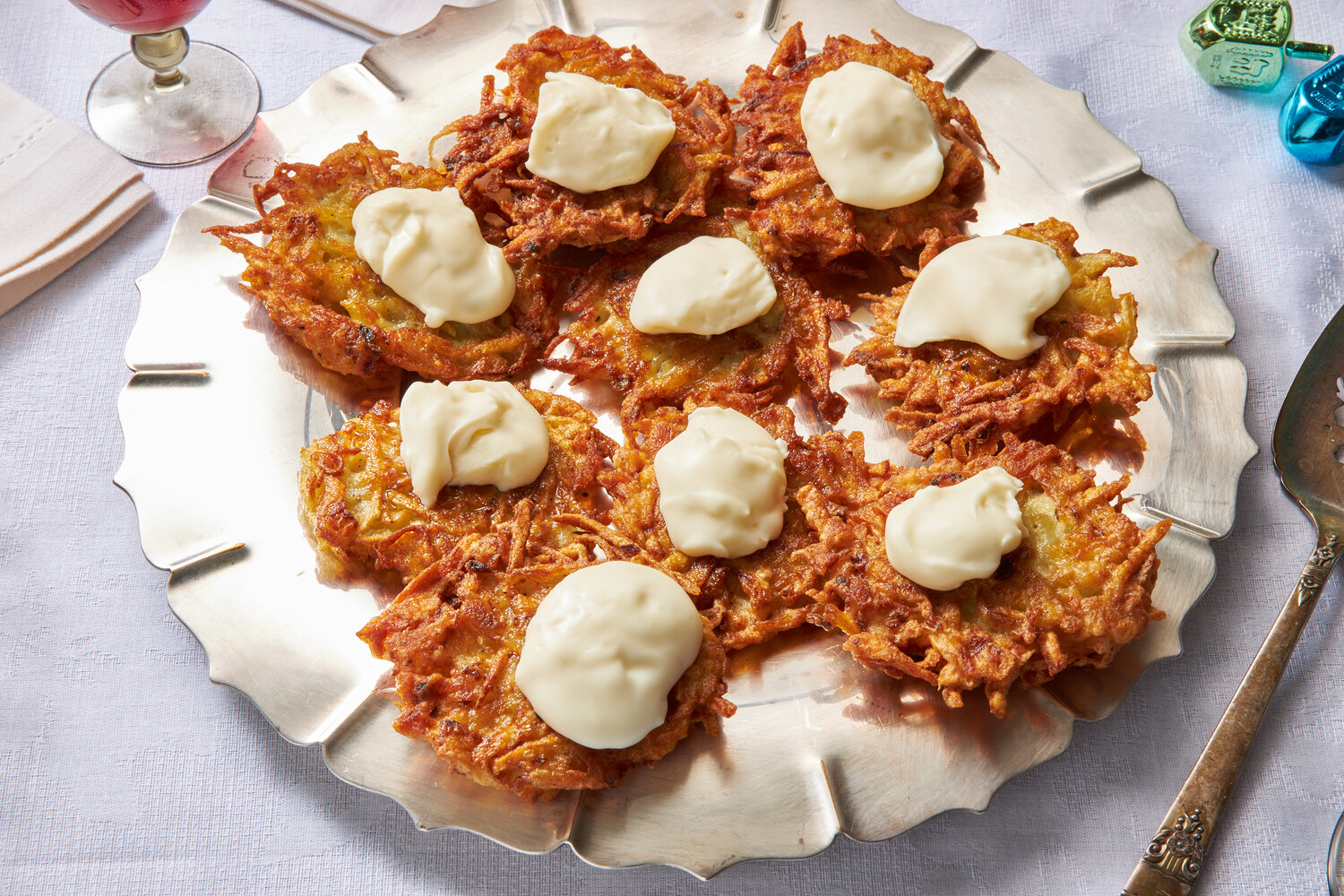
Lorenza Pintar’s family serves these latkes with a creamy sour Italian cheese called stracchino.
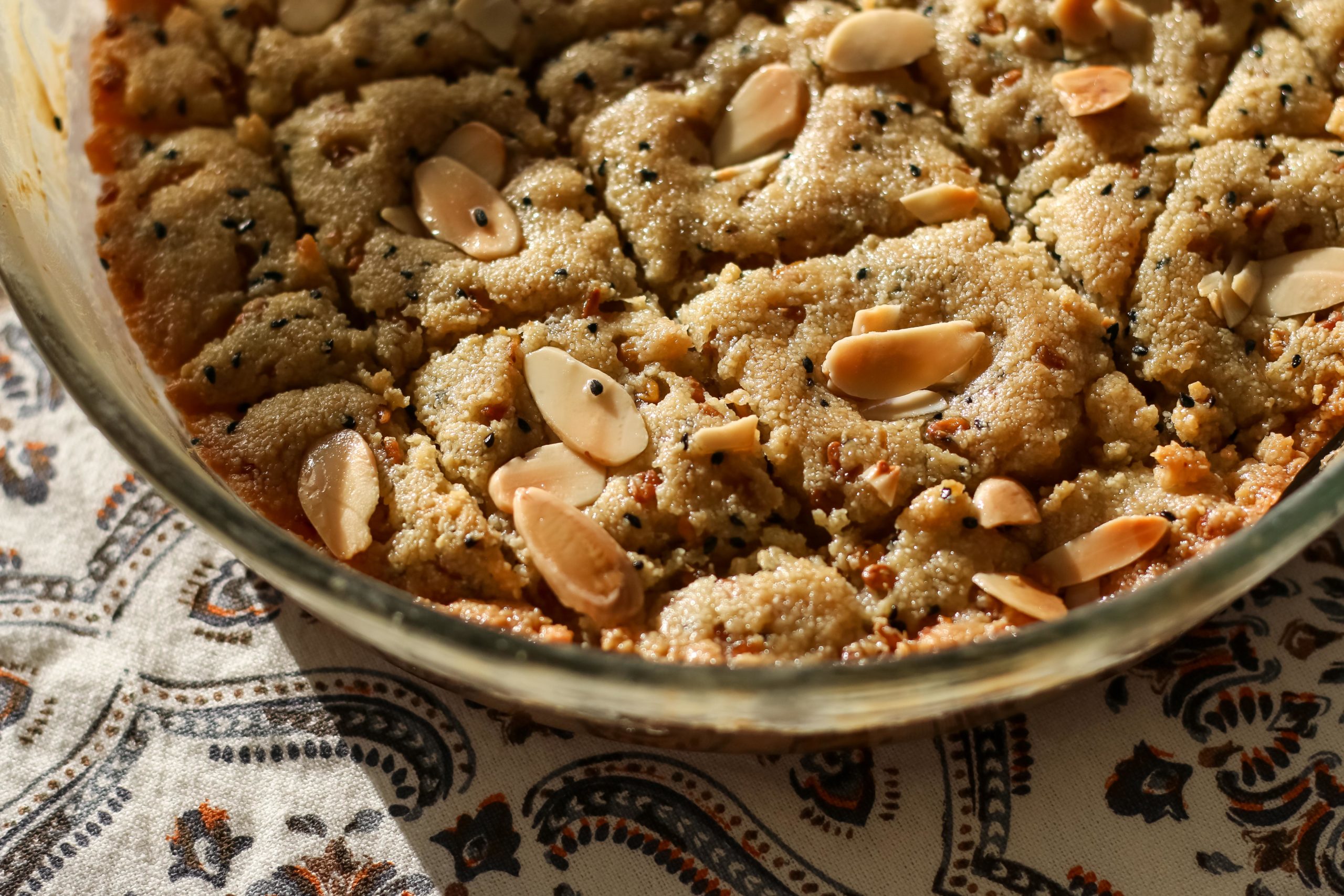
Sweet fenugreek siniyeh is a rich semolina cake seasoned with fenugreek, nigella seeds, and citrus blossom water.
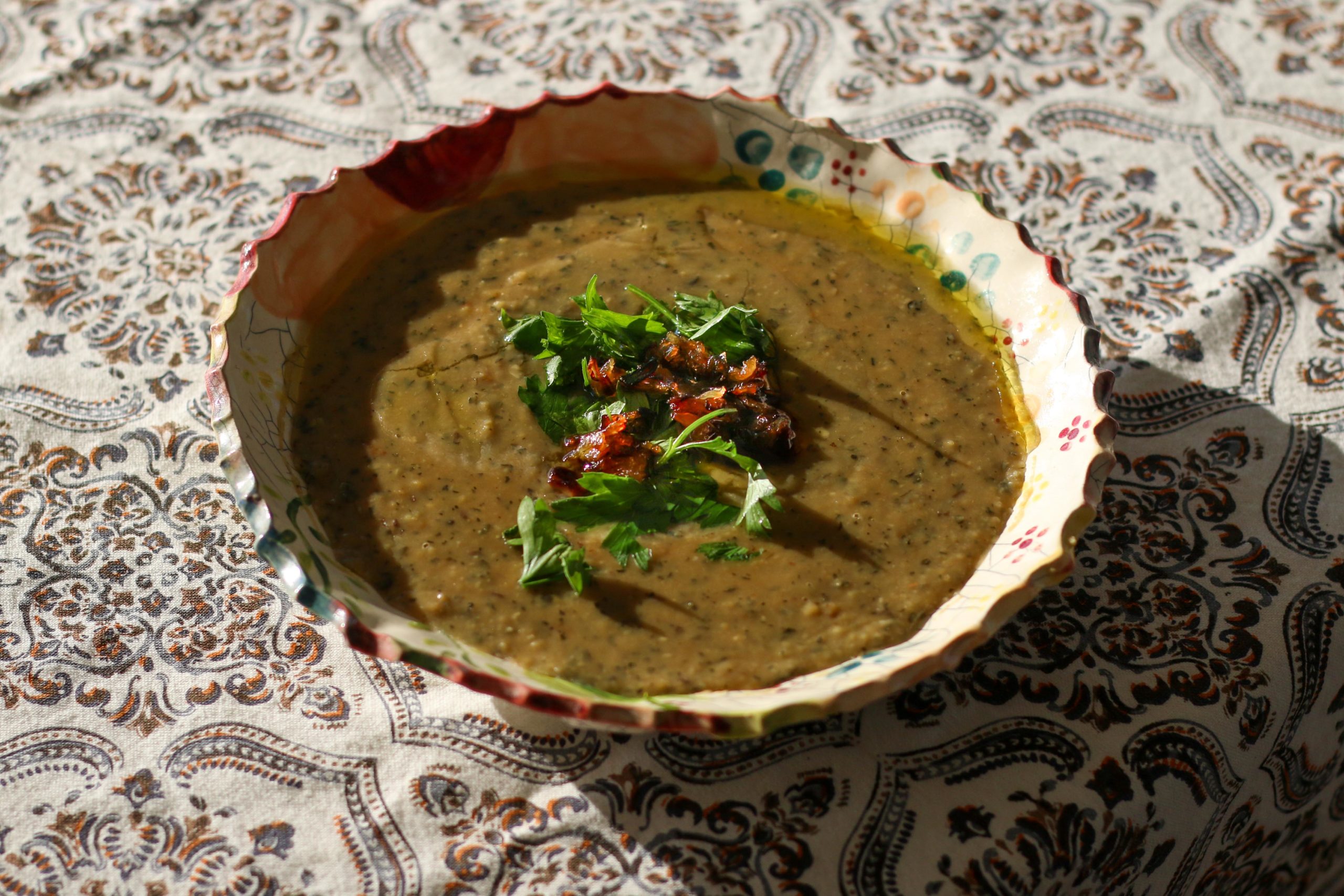
This thick stew made from dried broad beans and mulukhiya leaves comes from the Palestinian kitchen. Serve it with warm pita.
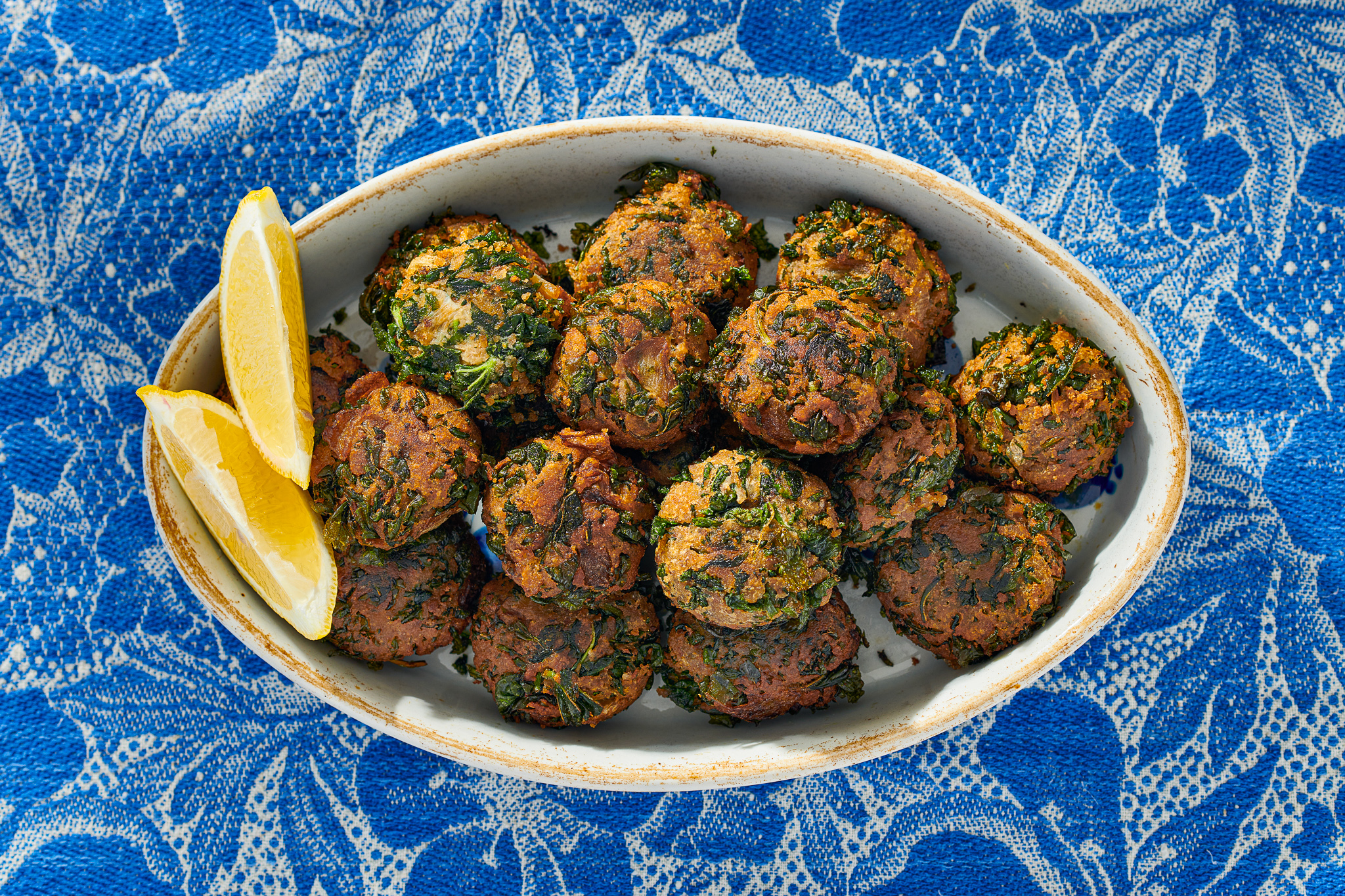
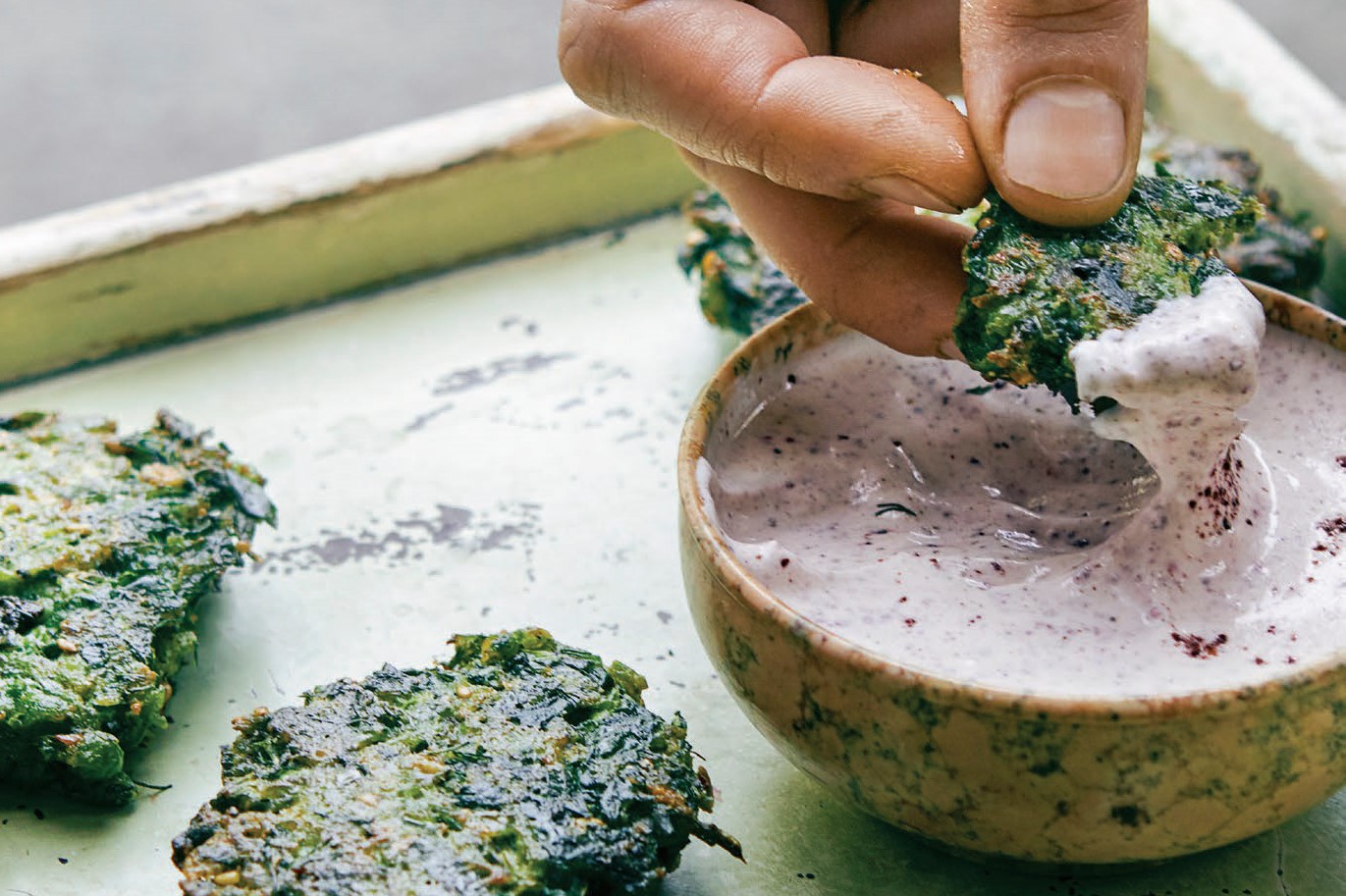
These green fritters made with spinach, peas, and heaps of fresh herbs come from Sami Tamimi and Tara Wigley’s “Falastin: A Cookbook.”
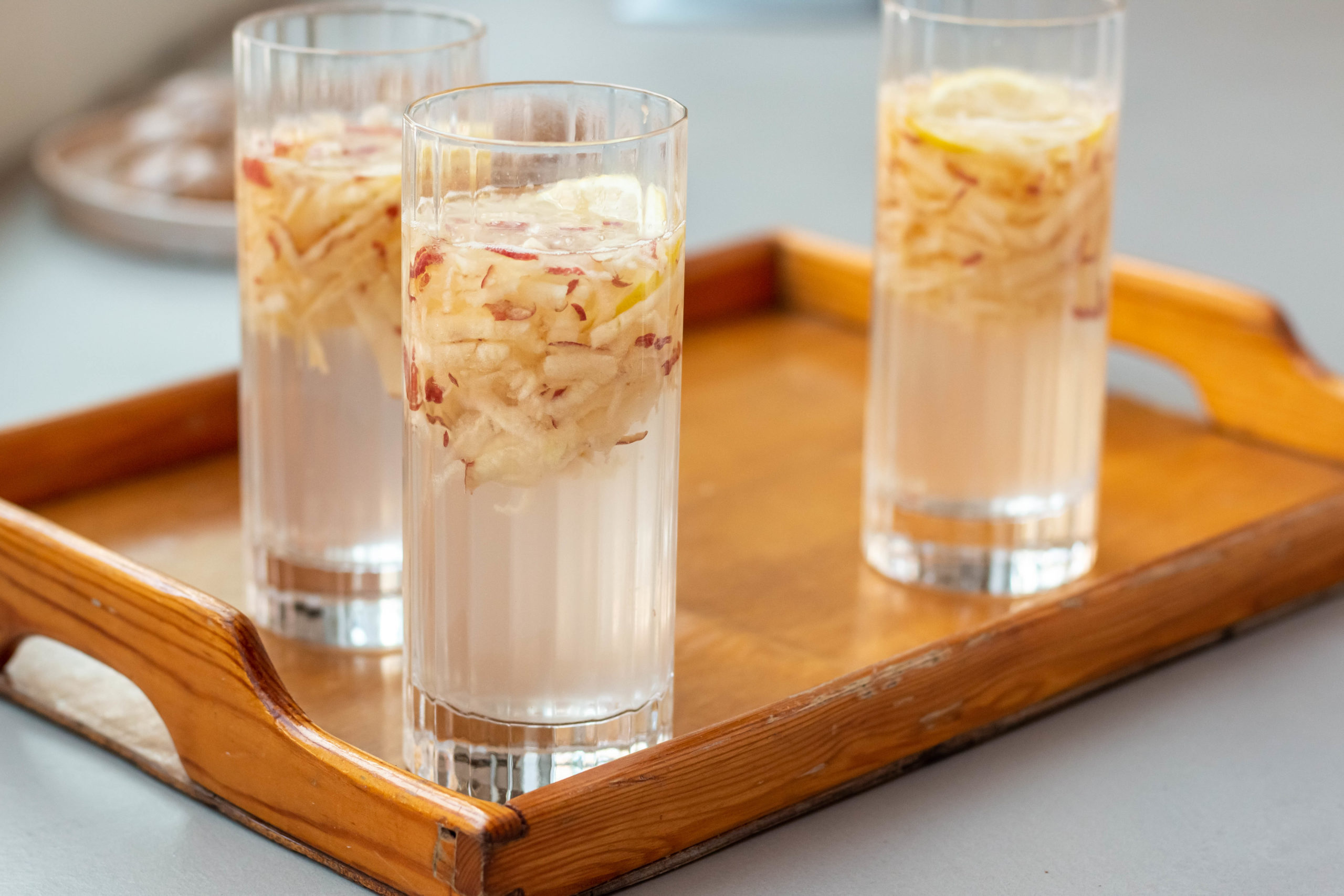
On Rosh Hashanah, Rottem Lieberson’s Persian grandmother Hanom used to serve this cold fresh apple drink with rose water and lemon.
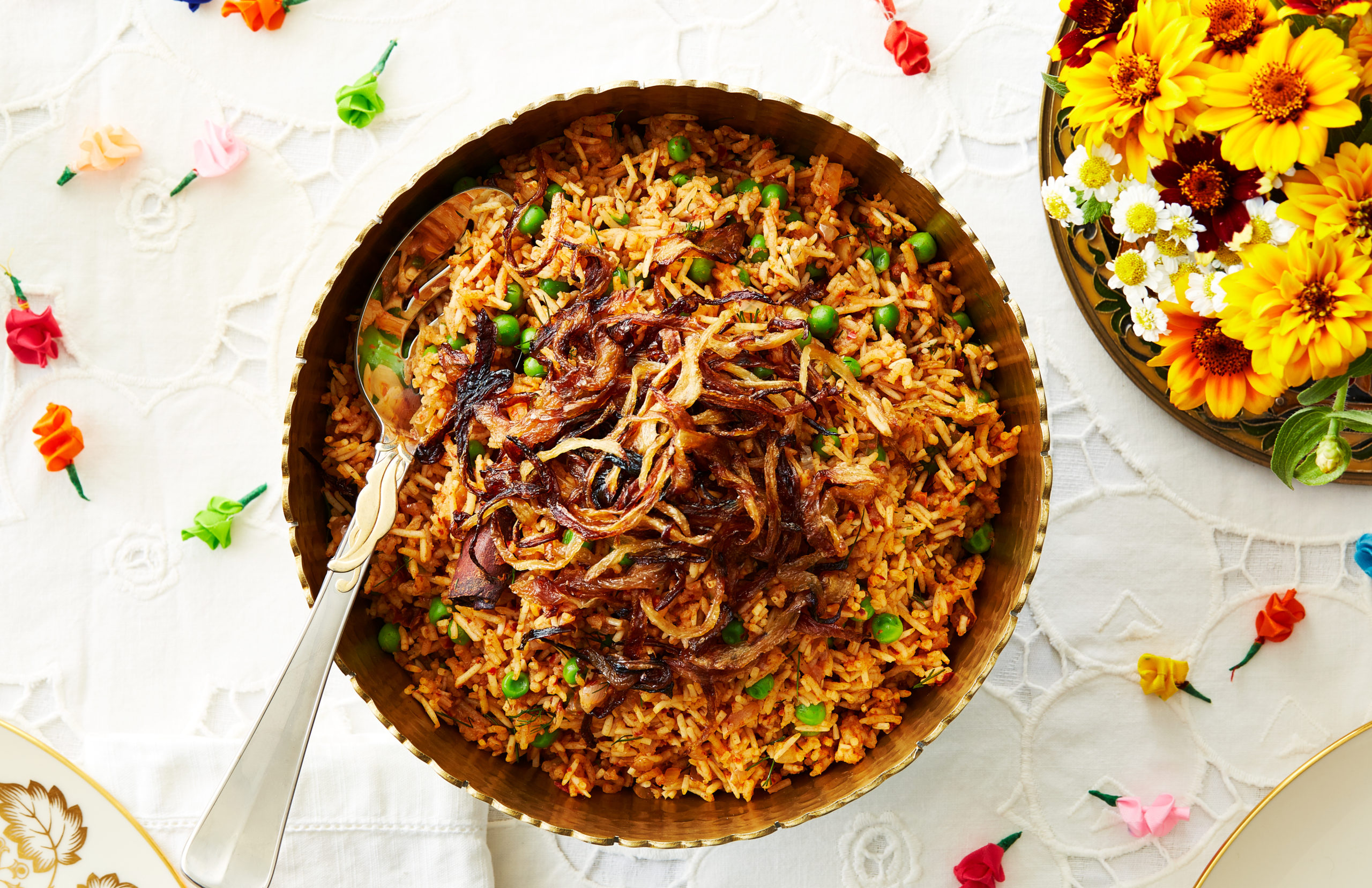
A dish from the “Kitchen Hindi” (Baghdadi Jews of India), brought to us by Max Nye. Recommended for Rosh HaShana.
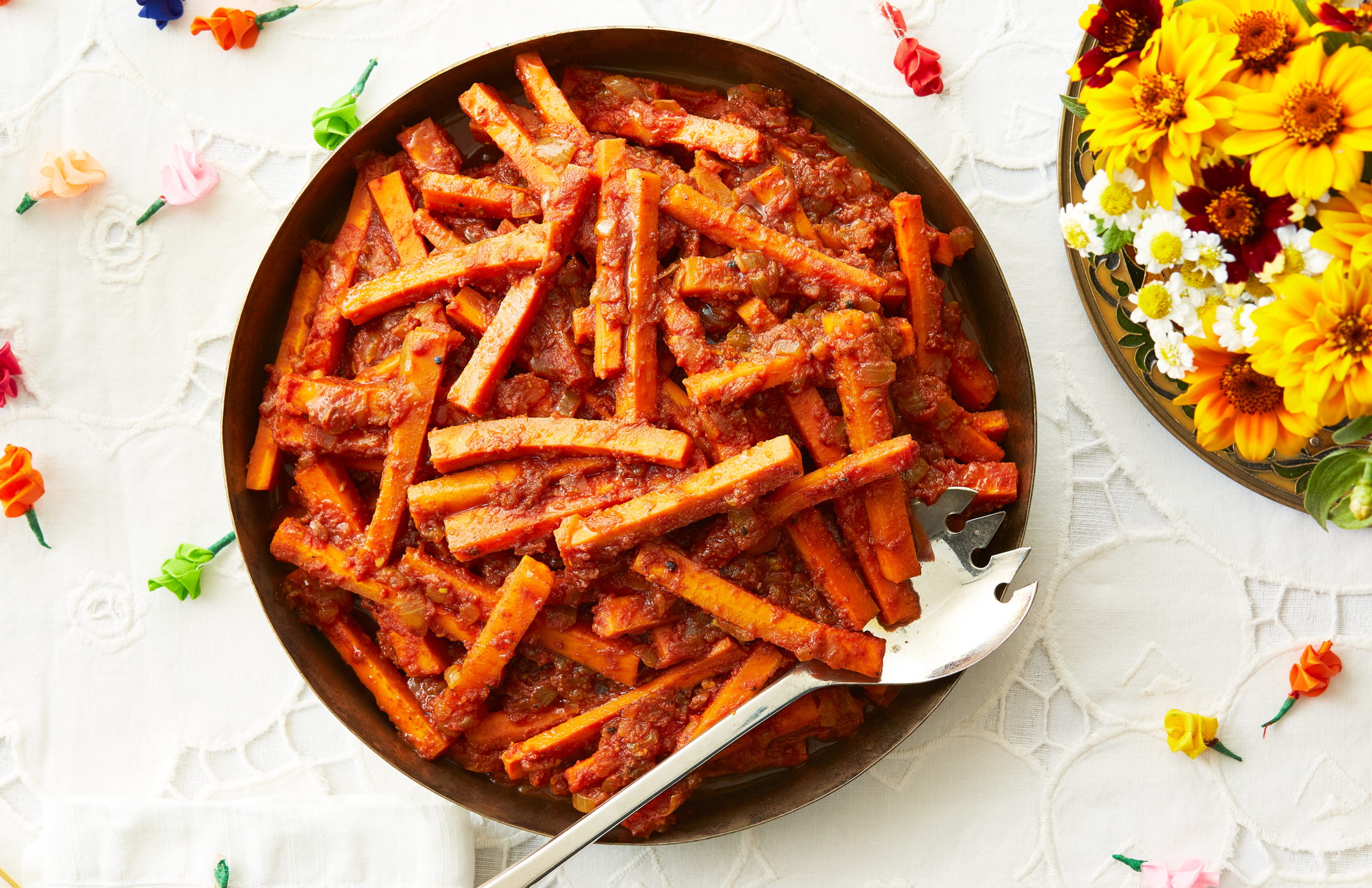
A Rosh HaShana side dish from the “Kitchen Hindi” (Baghdadi Jews of India).
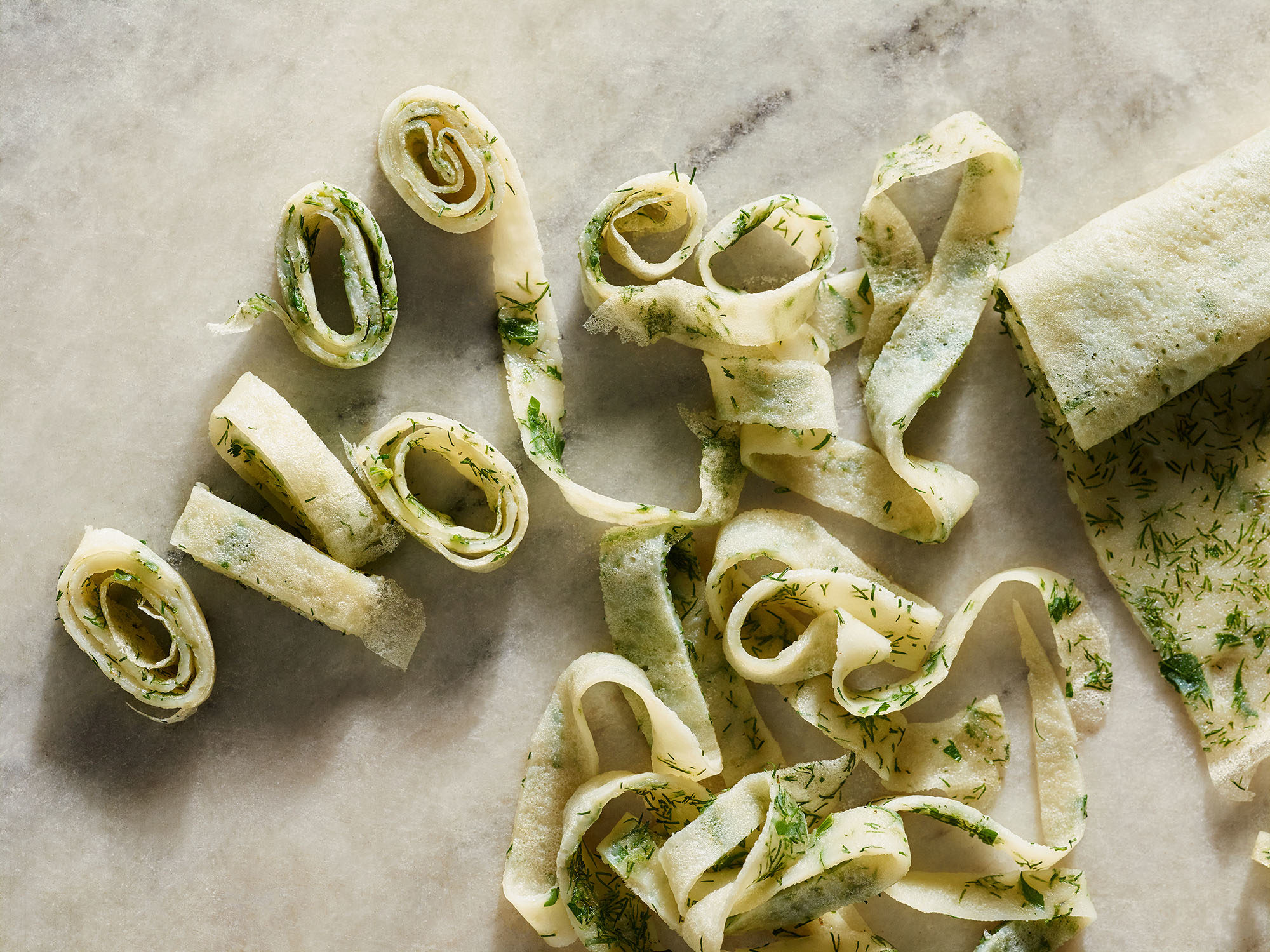
A Passover recipe typical of the kitchens of Eastern European Jews, one still finds these noodles in traditional rural kitchens in Central Europe.
Israel’s late first lady Nechama Rivlin learned this classic Sephardic recipe from the family of her husband, Israel’s 10th president, Reuven Rivlin.
Palestinian lentil soup, spiced with cumin and served with lashings of lemon juice, has become a symbol of home cooking.
Coarsely chopped and liberally dressed with olive oil and lemon juice, this salad was a favorite of Israel’s late first lady Nechama Rivlin.
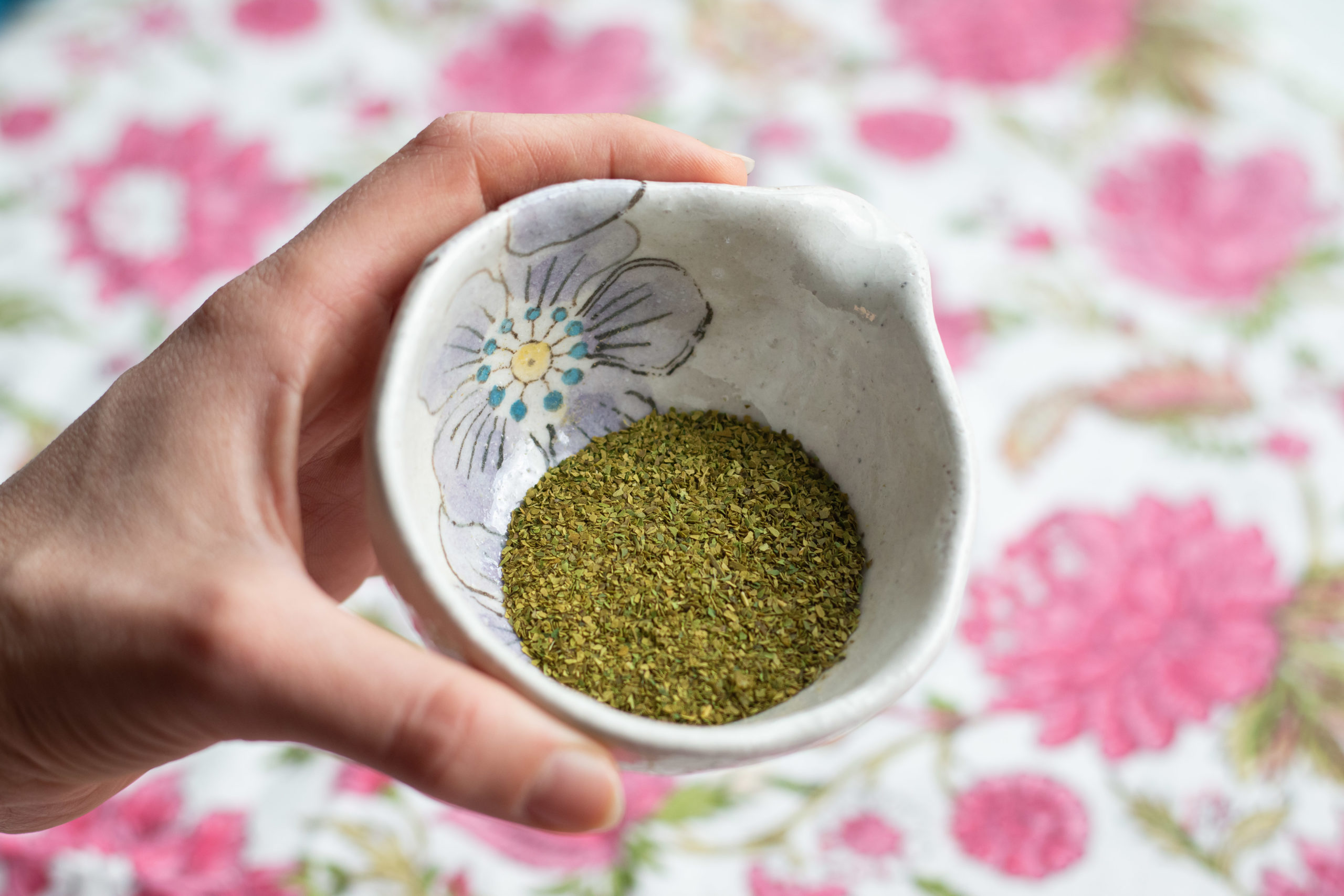
This pantry item elevates the strength of a dish’s aroma not flavor. Try it as a finishing garnish on seafood dishes or desserts.
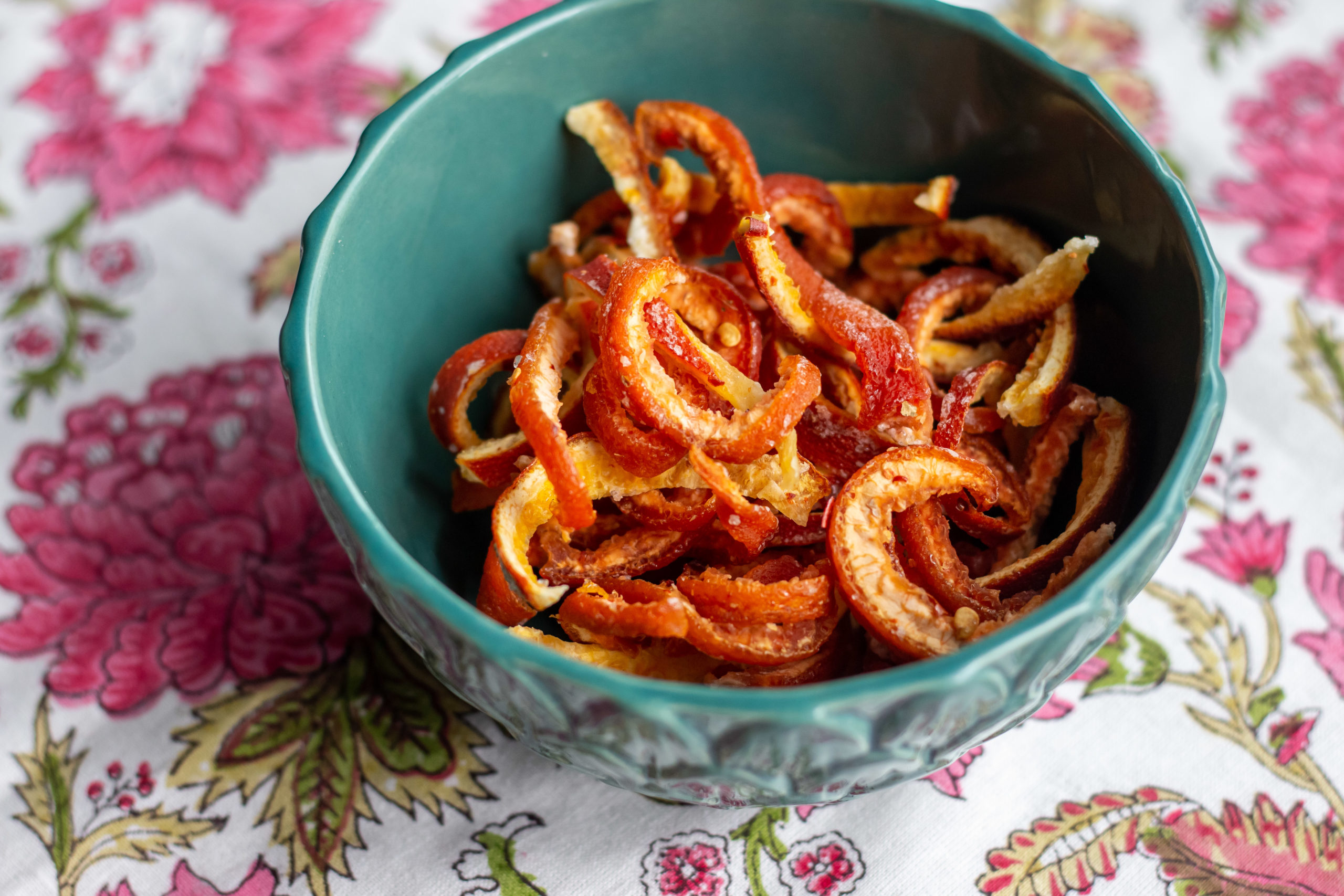
Chef Izhar Sa’ar of Rutenberg restaurant adds heat to one of the most nostalgic and beloved sweets in Israel — candied citrus peel.
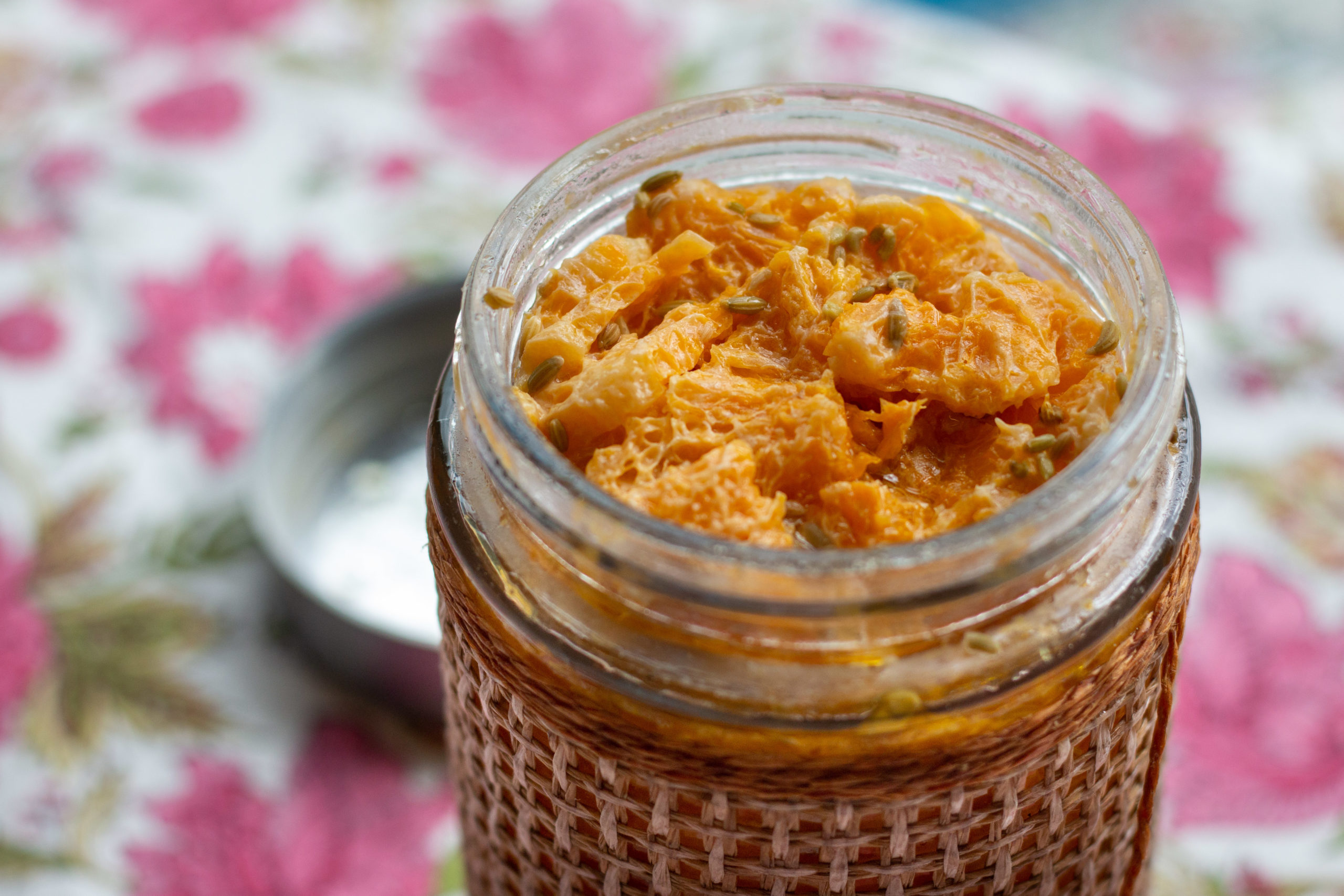
These fermented clementines and fennel seeds are wonderfully fragrant and slightly bitter. Use them to make a vinaigrette.
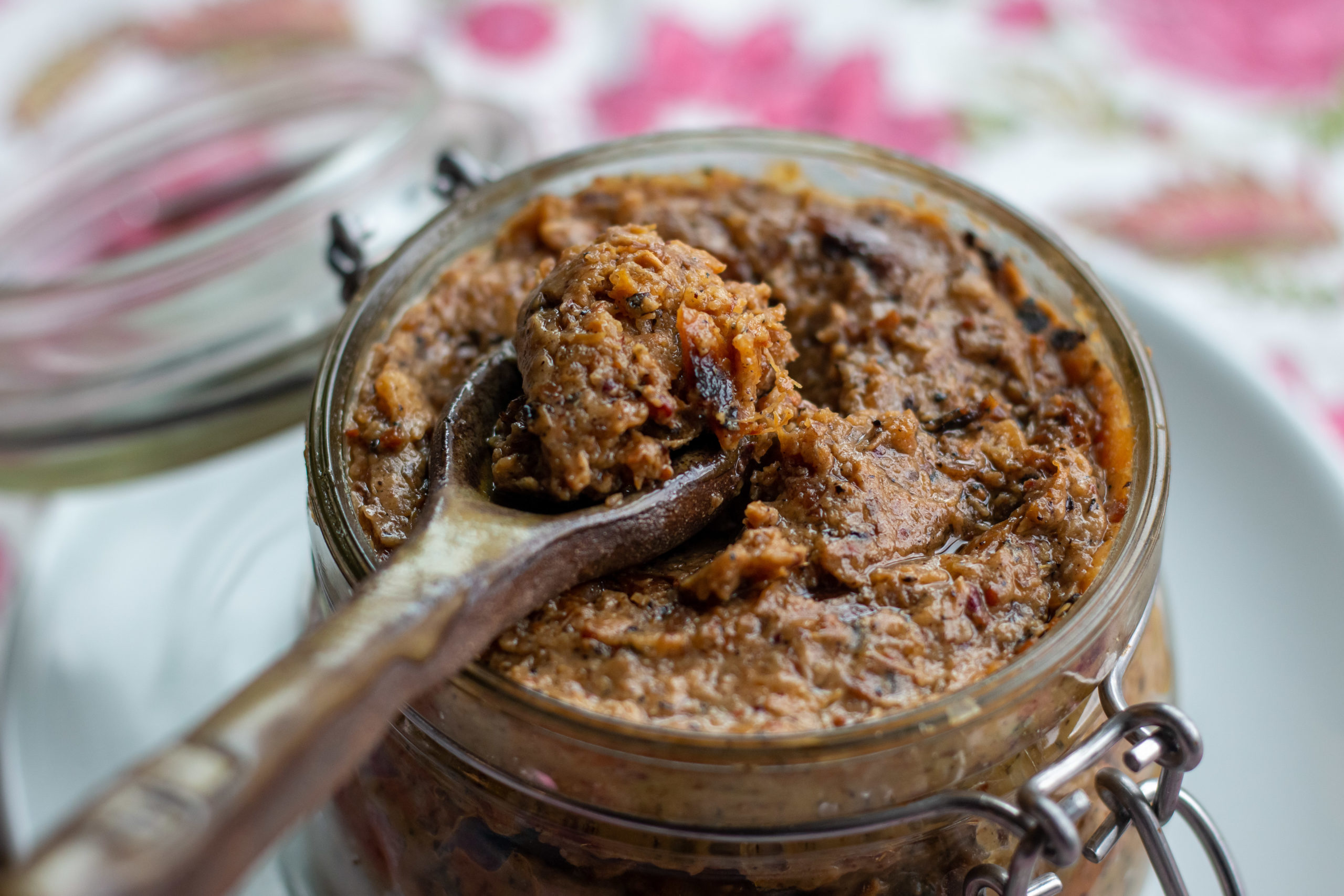
You can use this as a spread on toast or as a condiment alongside a meat dish or blue cheese, or alternatively in a marinade for baked white fish.
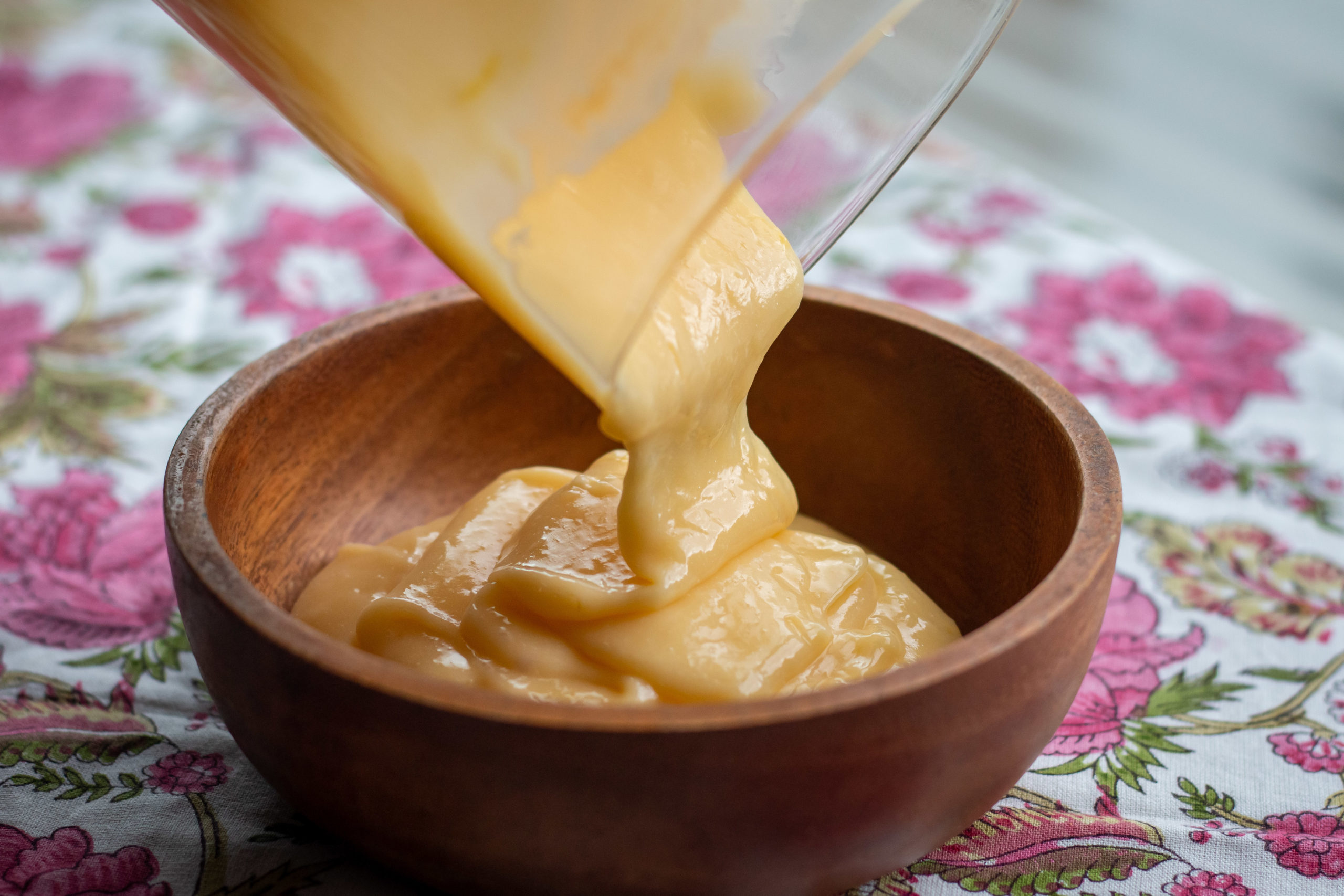
Sweet and sour, this curd is perfect as a tart filling. The recipe is easily adaptable to other varieties of citrus.
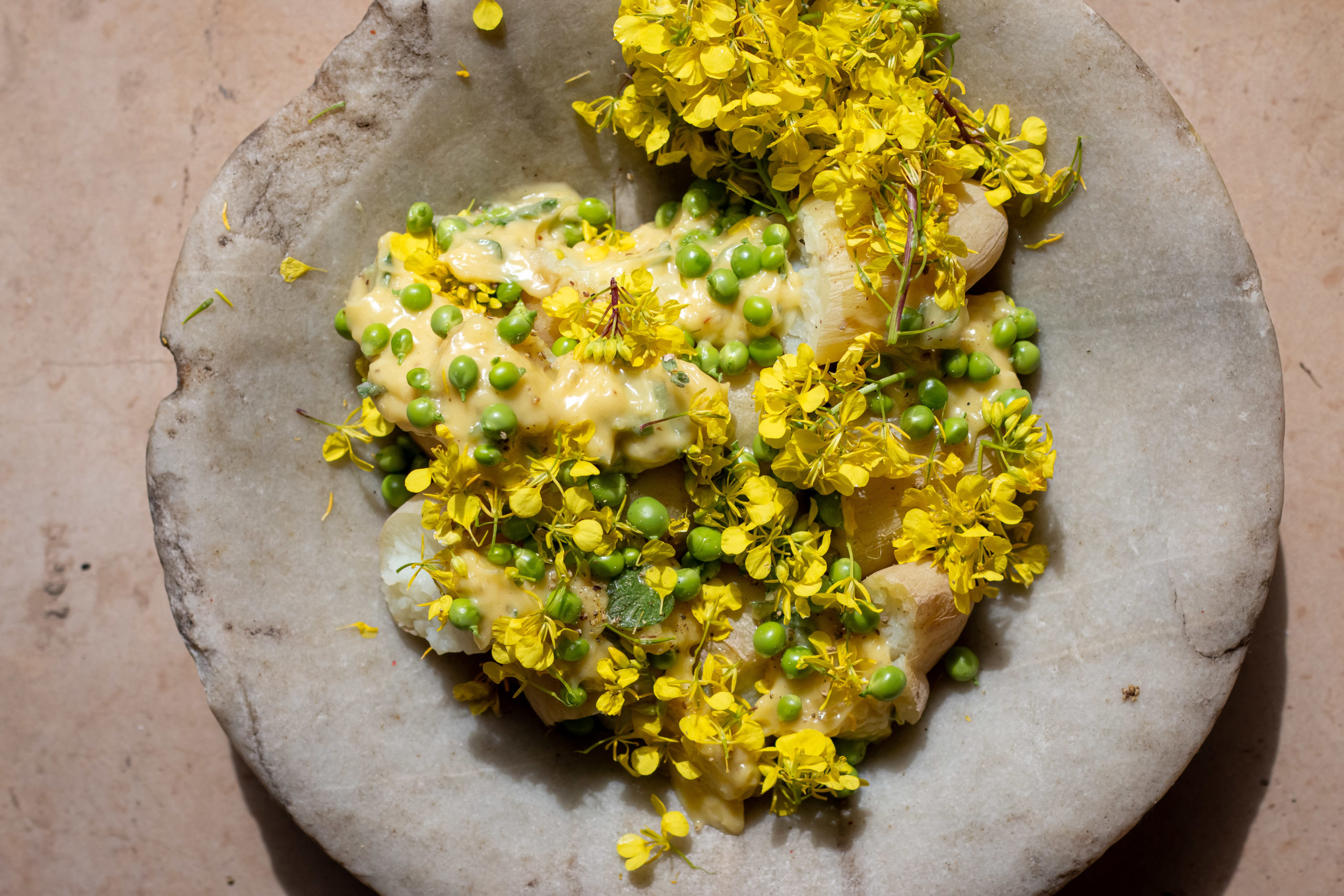
Chef Erez Komarovsky reinvents the yekke potato salad, using freshly-made mayonnaise, mustard, and fresh hyssop leaves in place of dill.
In his book “Schmaltz”, Shmil Holland explains that when kugel arrived in Israel in the 19th century, the ingredient list was adapted to what was available locally.
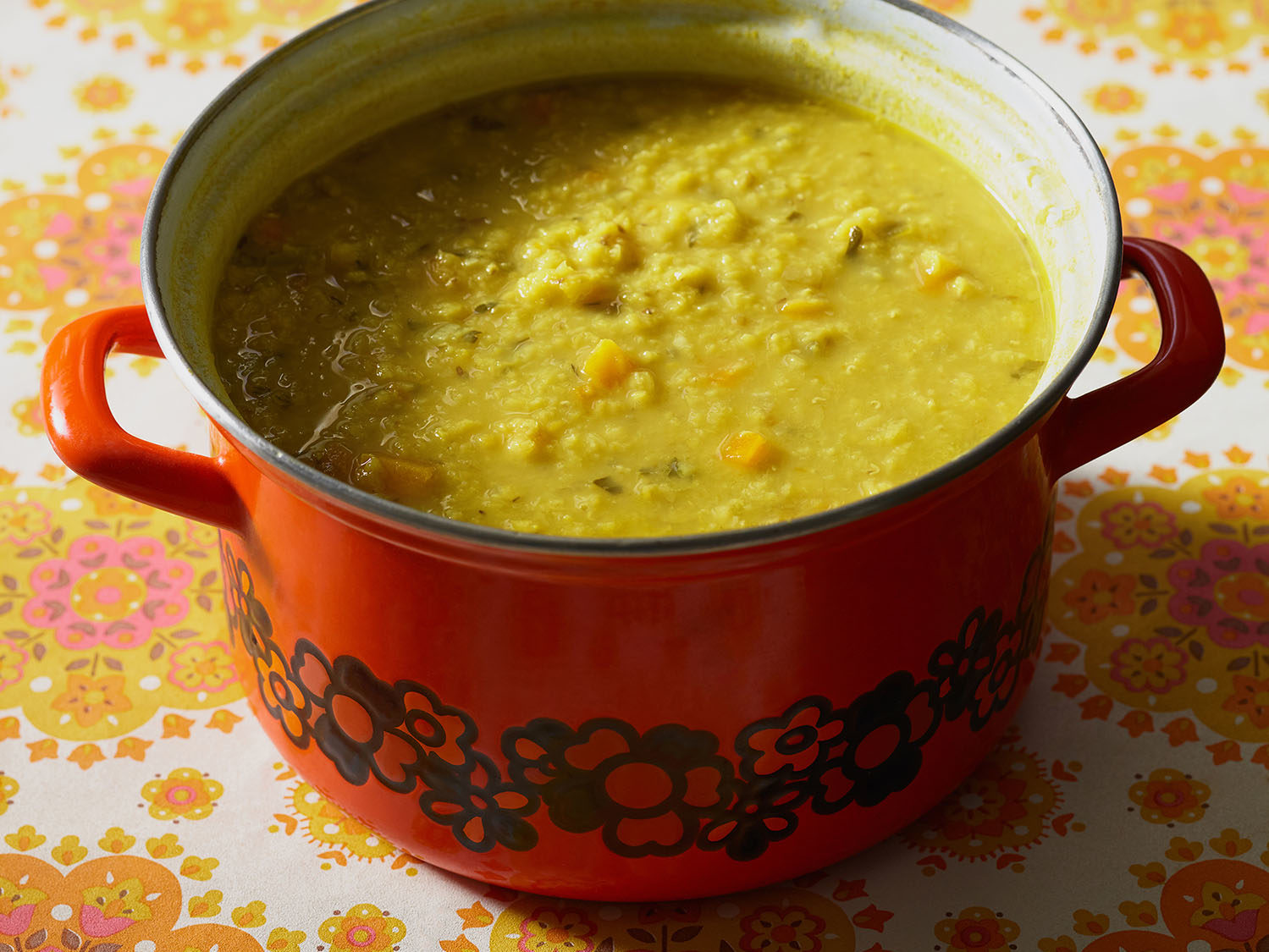
This dish of thick yellow split peas (or lentils) with wide egg noodles is an essential part of Jaffa’s Arabic cuisine.
These artichokes, inspired by the iconic Israeli cookbook “The Book of Pleasures,” are cooked with lots of olive oil and fresh herbs.
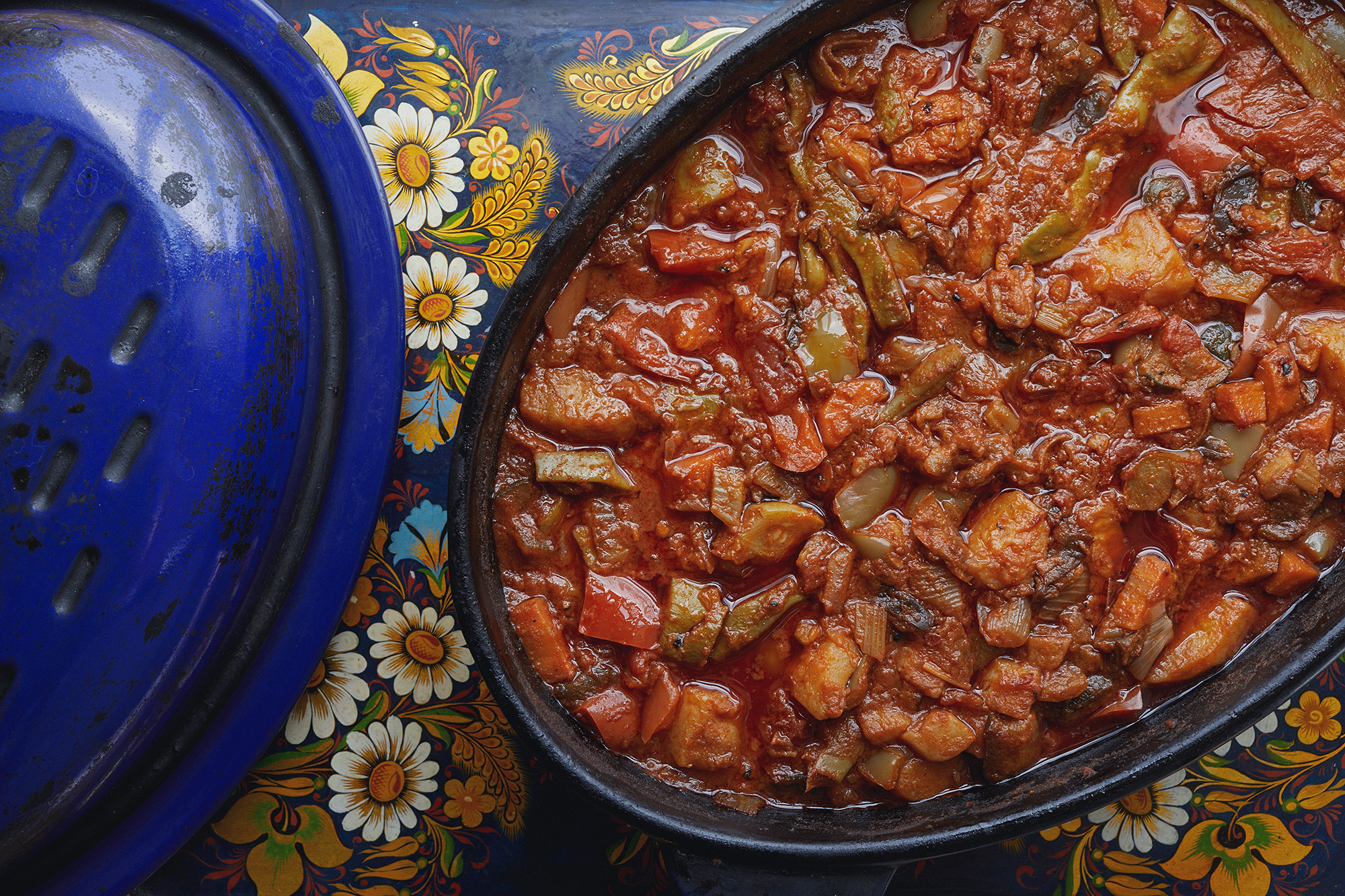
Guvetch (meaning earthenware pot) is a casserole of vegetables and tomatoes that entered Israeli cuisine via Jewish immigrants from the Balkans.
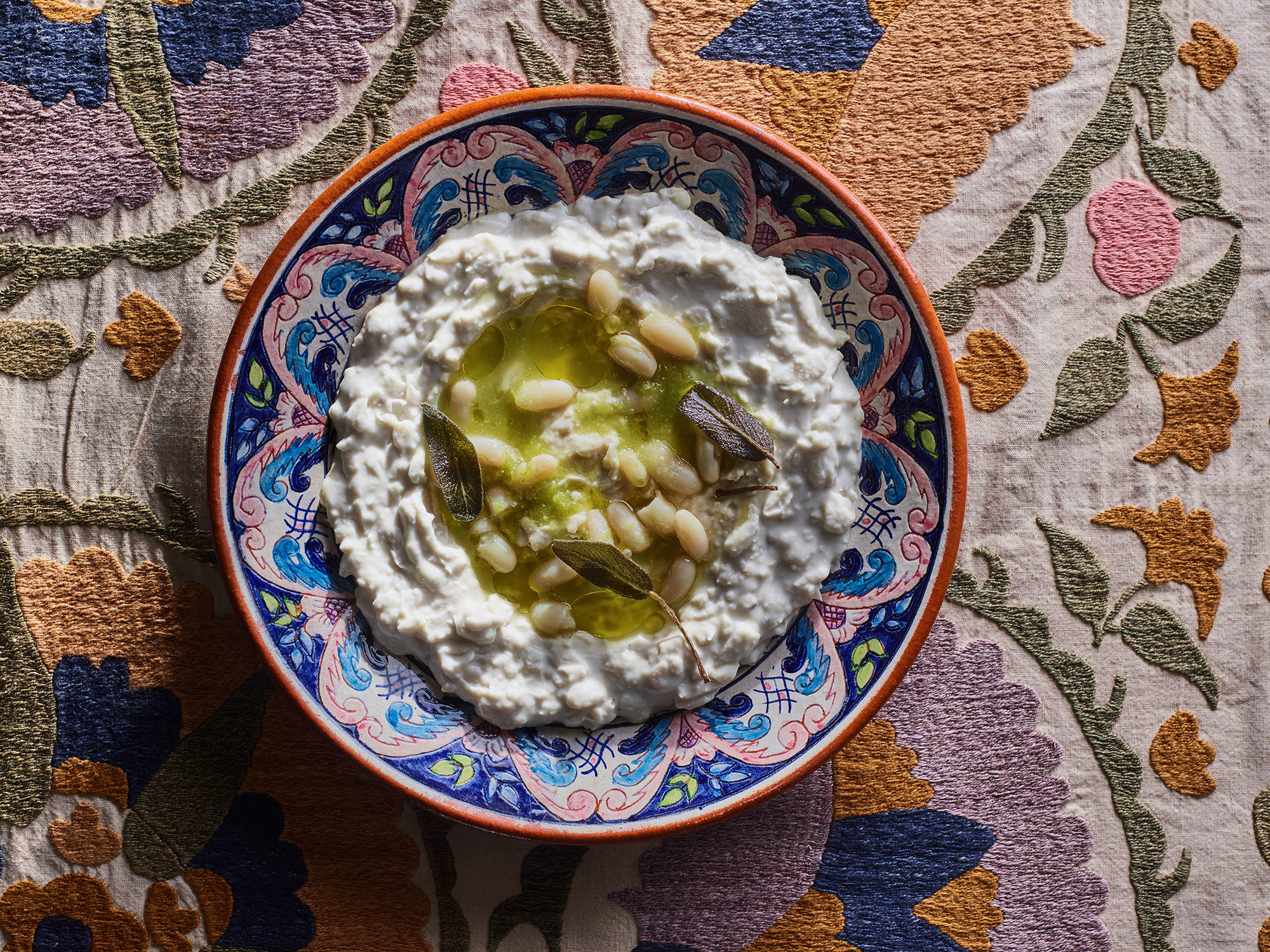
White bean masabacha, a regular feature of new Israeli cooking, is a captivating combination of Middle Eastern technique and Balkan flavors.
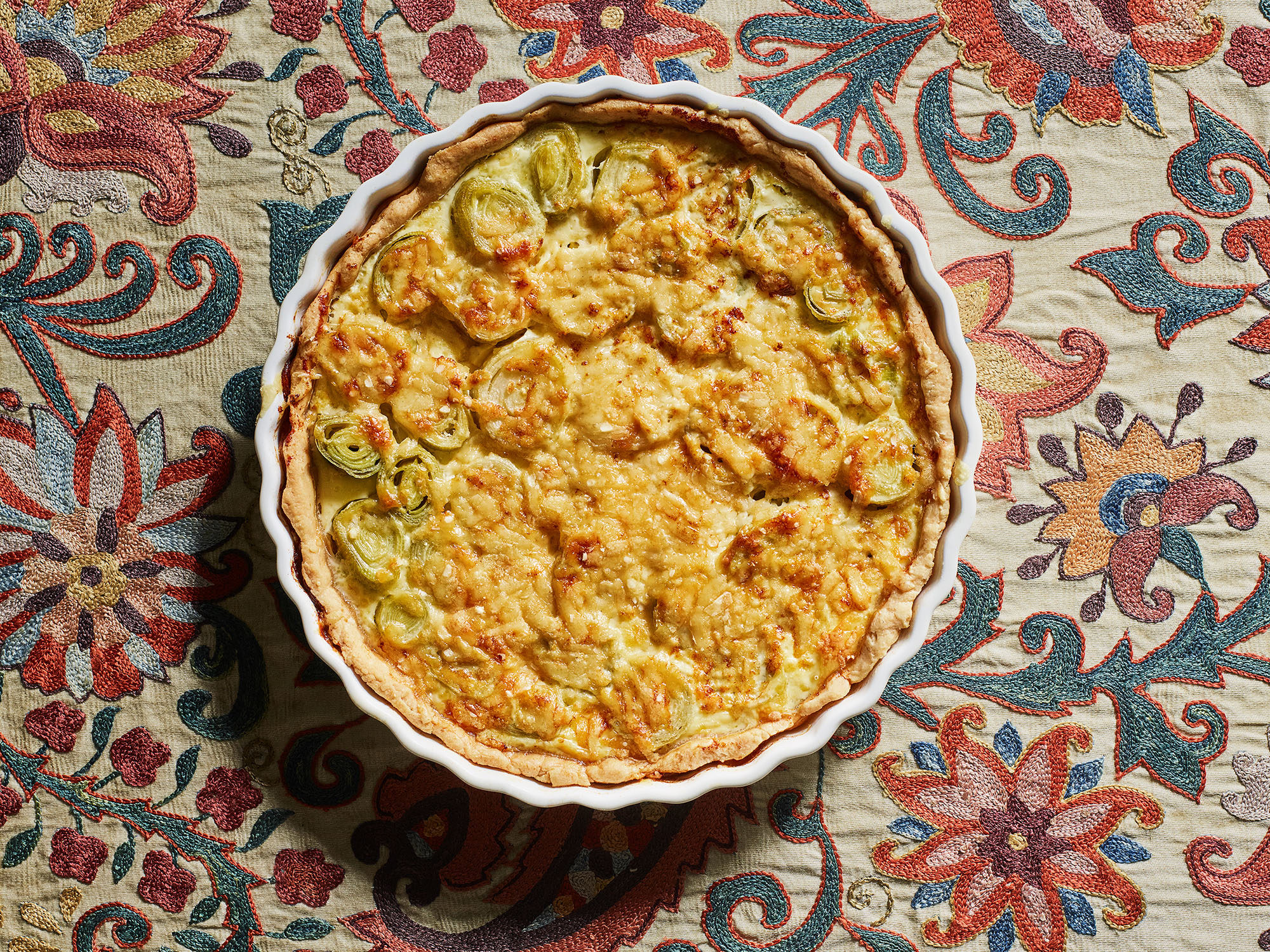
Nechama Rivlin’s vegetarian (and kosher) adaptation of the classic French quiche Lorraine is a favorite of President Reuven Rivlin.
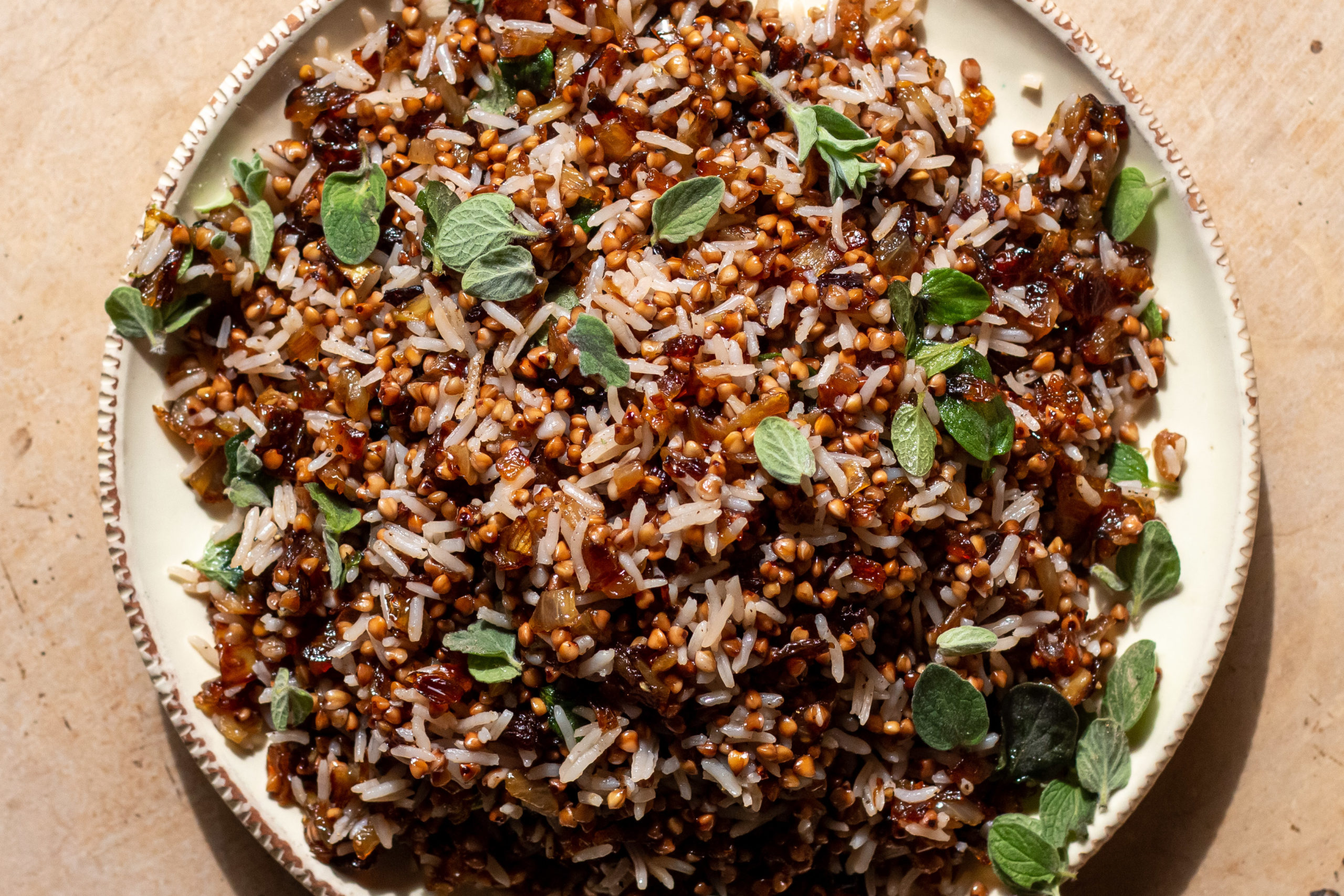
Chef Erez Komarovsky shakes off the dust from the buckwheat and prepares a dish inspired by the local and regional mujadara.